
How Does Radar-Based Sleep Tracking Work Without Contact?
Anker has launched the SleepLab Pro bedside speaker and Sleep 4 earphones, both designed to improve sleep quality without requiring a subscription. The products were introduced on September 3, 2026, as part of Anker’s expanding health and wellness lineup. The SleepLab Pro uses 60GHz radar technology to monitor sleep patterns from a nightstand, while the Sleep 4 earphones deliver audio to help users fall asleep faster. Together, they form a non-wearable sleep tracking system focused on comfort and convenience.
Latest news
 Anthropic Unveils Claude Duet For Background AI Tasks
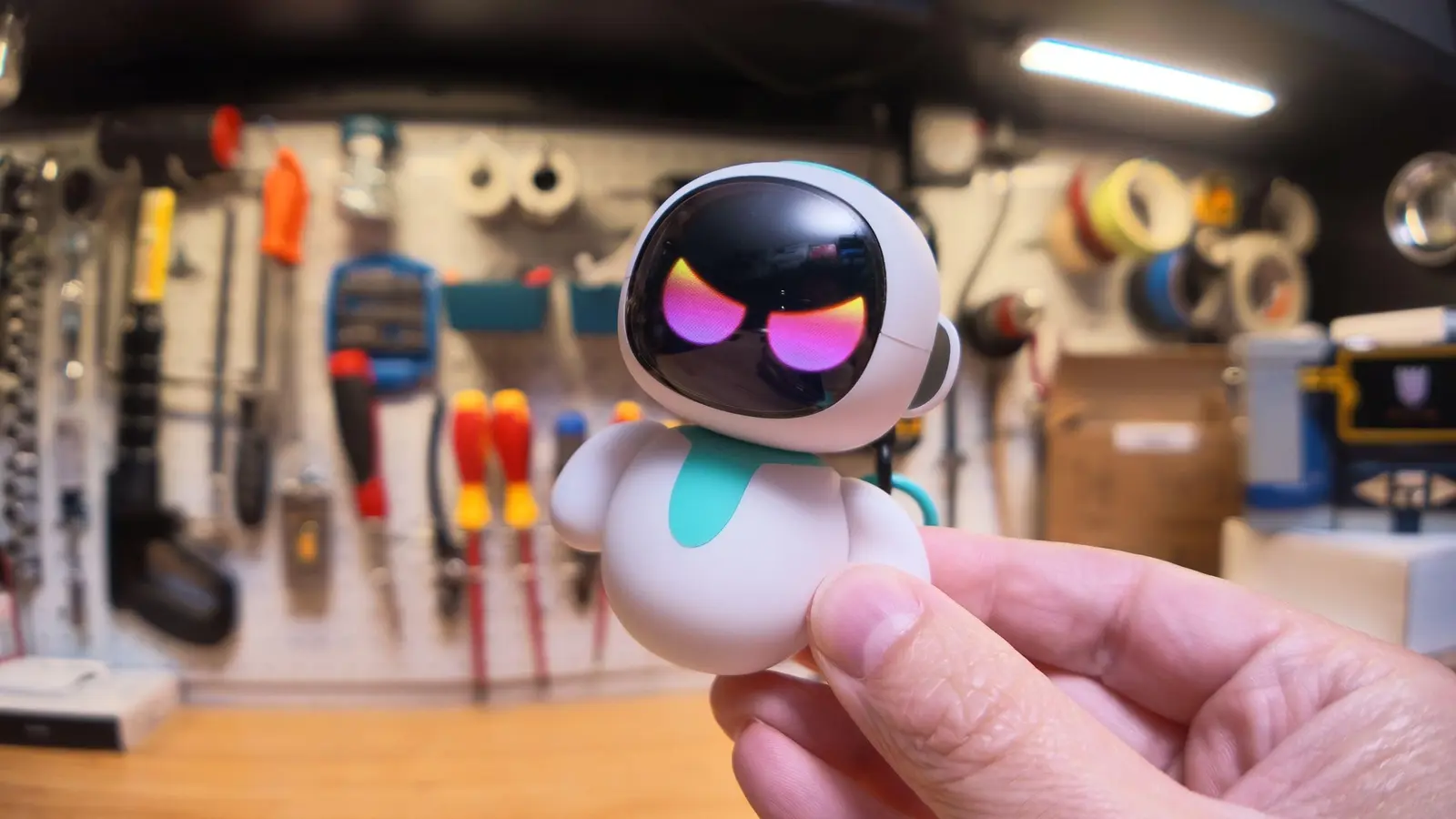 Eiliko Creator Hires Independent Security Firm After Flawy Robot Charm Exposed
 Musk Compares Optimus Robot Training to Raising a Toddler
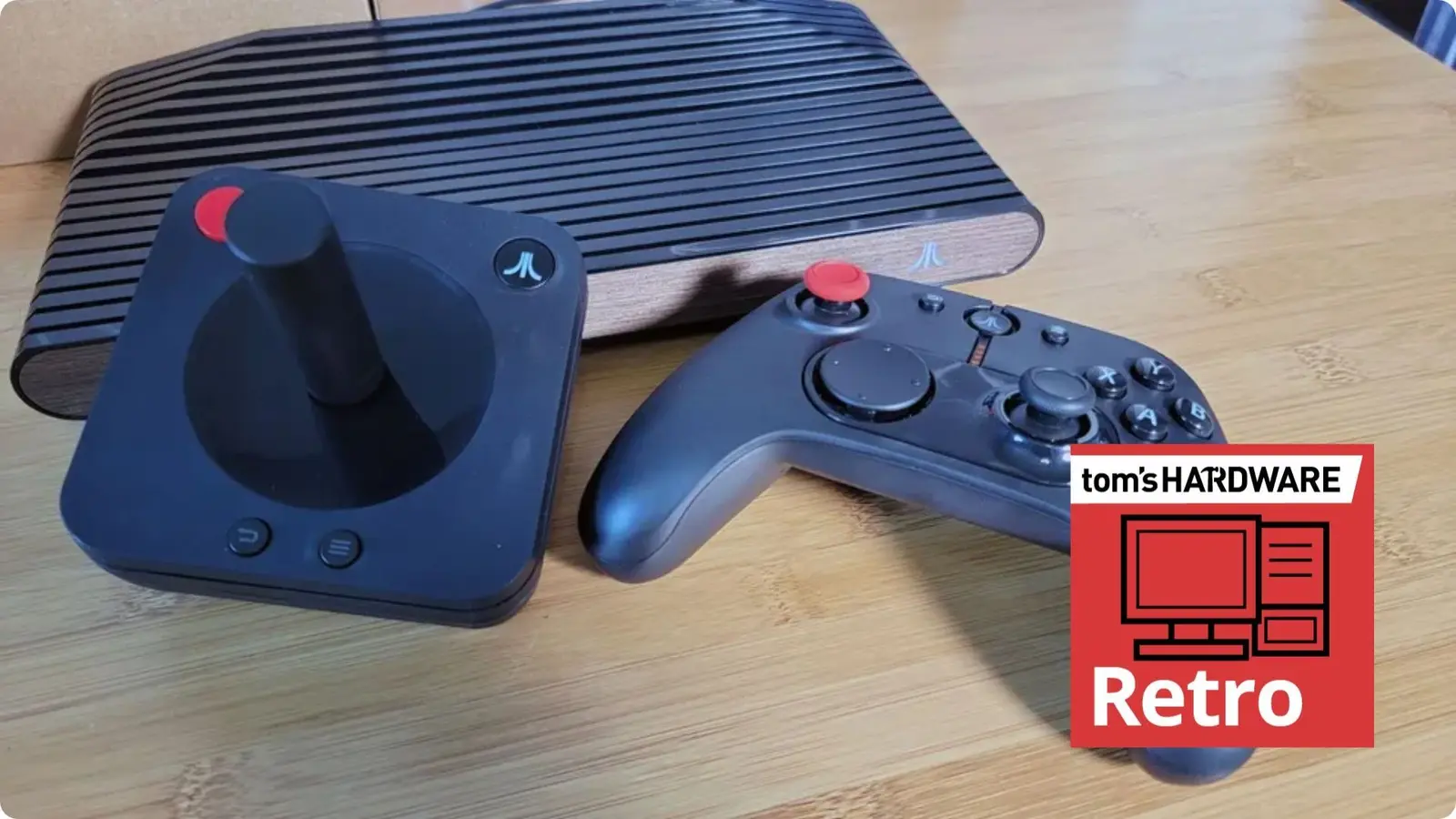 Atari VCS Software Store Closes in February 2027
The SleepLab Pro speaker operates without cameras or microphones, using low-power radar to detect breathing and movement during sleep. This data is processed locally on the device to provide insights into sleep stages, duration, and quality, all accessible through Anker’s app without any monthly fees. The Sleep 4 earphones are engineered for side sleepers, featuring a soft, low-profile design and passive noise isolation. They play soothing sounds or white noise to mask disturbances and support relaxation. Anker emphasizes that neither product requires wearing a wristband or chest strap, addressing common discomforts associated with traditional sleep trackers.
What Makes the Sleep 4 Earphones Different from Regular Sleep Buds?
The 60GHz radar in the SleepLab Pro emits low-energy radio waves that reflect off the body, allowing the device to sense minute chest movements tied to respiration and subtle shifts during sleep cycles. Unlike camera-based systems, this method works in total darkness and does not capture visual data, enhancing privacy. Anker states the radar operates at power levels well below safety thresholds and is certified for continuous bedside use. The system analyzes these signals in real time to distinguish between light, deep, and REM sleep, offering users a detailed sleep report each morning.
Unlike bulkier noise-canceling earbuds, the Sleep 4 model prioritizes minimal pressure on the ear, using ergonomic silicone tips and a flattened profile to stay comfortable when lying on one’s side. They connect via Bluetooth low energy to stream audio from the Anker app or third-party services like Spotify and Calm. Battery life lasts up to 10 hours per charge, sufficient for a full night’s use, and the charging case provides three additional full charges. Anker notes the earphones do not include active noise cancellation to avoid ear fatigue, instead relying on physical design and audio masking to reduce disturbances.
Does the SleepLab Pro require a subscription to access sleep data? No, all sleep tracking features and data storage are available free of charge through the Anker app, with no mandatory subscription plan.
Frequently Asked Questions
Can the Sleep 4 earphones be used for purposes other than sleeping? Yes, while optimized for sleep, they can also be used for listening to music or podcasts during relaxation, though they are not designed for active exercise or high-mobility activities.
Is the radar technology in the SleepLab Pro safe for nightly use? Yes, the 60GHz radar operates at extremely low power levels, comparable to those used in automotive sensors, and has been tested for safety in prolonged, close-proximity exposure.
Comments
Leave a comment