
How the 3‑D Emoji Works
A new wave of three‑dimensional emojis is set to appear on Android phones, thanks to an upcoming system update. The feature, initially introduced in select devices, will now be accessible to a broader user base, enhancing visual expression in texts and social media.
Latest news
 Corsair Vengeance DDR5-6000 Kit Offers Ideal Speed for AMD Builds
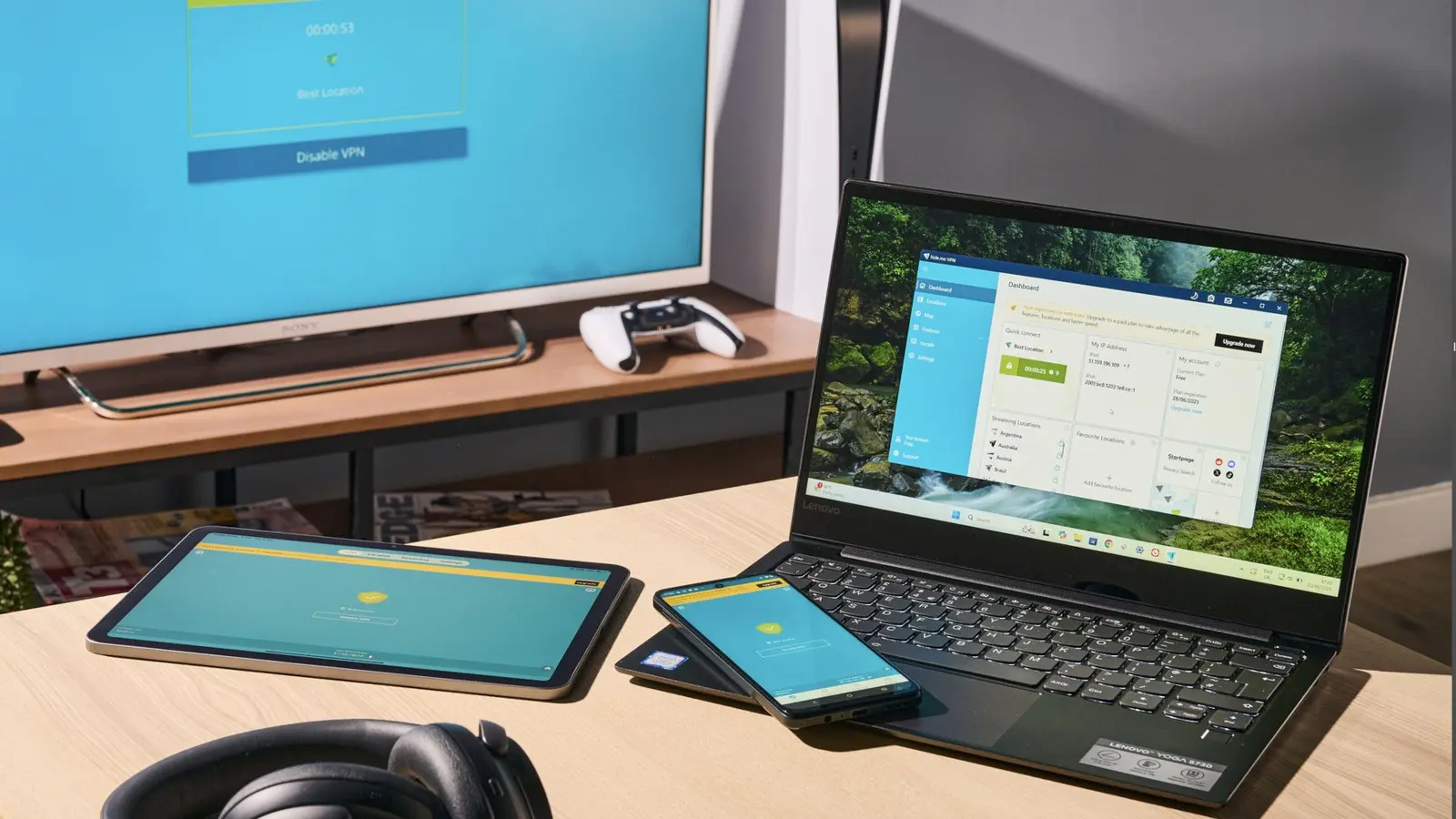 Hide.me VPN releases major Android update
 Hackers launch massive PHP2Shell attack wave
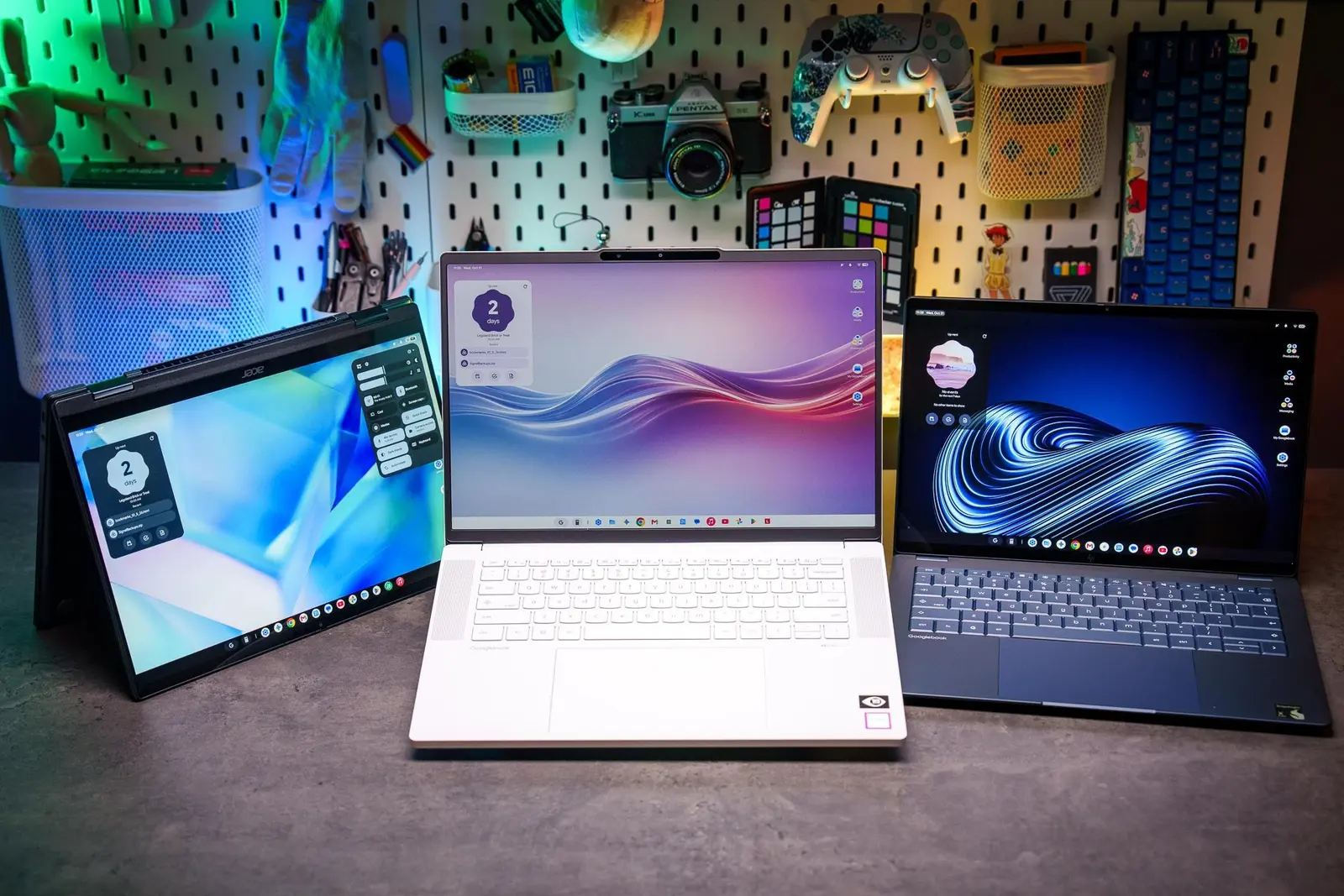 Googlebooks are not yet ready for prime time
Android’s latest software upgrade will deliver the 3‑D emoji library to most devices running the current operating system. Developers announced that the update will include a full set of animated, three‑dimensional icons that replace the flat, 2‑D versions users have seen for years. The rollout is expected to begin in the coming weeks, with devices that support the new graphics engine receiving the changes automatically.
Will All Android Phones Get the Update?
The new emojis leverage the phone’s GPU to render realistic shapes and lighting. When a user types or selects an emoji, the system calculates depth and shading, creating a lifelike appearance. This technology is similar to that used in recent gaming apps, which already employ advanced rendering techniques. By integrating the same engine, Android can deliver richer visuals without compromising performance. Users will notice smoother transitions and subtle animations that make the icons feel more interactive.
The rollout strategy prioritizes devices with sufficient hardware. Phones equipped with the latest graphics processors and enough RAM are the first to receive the 3‑D set. Older models may receive a simplified version or may have to wait for a future update. Manufacturers are working closely with Google to ensure compatibility across the ecosystem. The aim is to provide a uniform experience for millions of users worldwide.
Android’s internal testing shows that the new emojis do not significantly increase battery drain. In benchmark tests, the additional rendering cost was below 1 % of total power consumption. This makes the feature suitable for everyday use, even on devices with modest battery capacities.
What This Means for Messaging Apps
Messaging platforms such as WhatsApp, Telegram, and Signal will automatically display the new emojis when users send or receive messages. The update also benefits social media apps like Instagram and TikTok, where emojis are integral to user interaction. Developers can now take advantage of the richer palette to create more engaging content. The change is expected to boost user engagement, as studies show that emojis can increase message length and emotional clarity.
The introduction of 3‑D emojis aligns with a broader trend toward more expressive digital communication. As users seek ways to convey nuance, the visual depth of these icons offers a fresh medium. Companies anticipate that the feature will drive higher app usage and foster creativity among content creators.
Q1: When will my phone receive the 3‑D emoji update? A: The update is scheduled for release in the next major Android update cycle, which typically occurs in the first half of the year. Check your device’s software settings for the latest version.
Frequently Asked Questions
Q2: Will my old phone support these new emojis? A: Devices with older GPUs may not receive the full 3‑D set. They may receive a simplified version or no update at all. Contact your manufacturer for compatibility details.
Q3: Does the new emoji feature affect battery life? A: Testing indicates less than a 1 % increase in power consumption, making the impact negligible for daily use.
Comments
Leave a comment