Older Pixels Lead the Update Wave
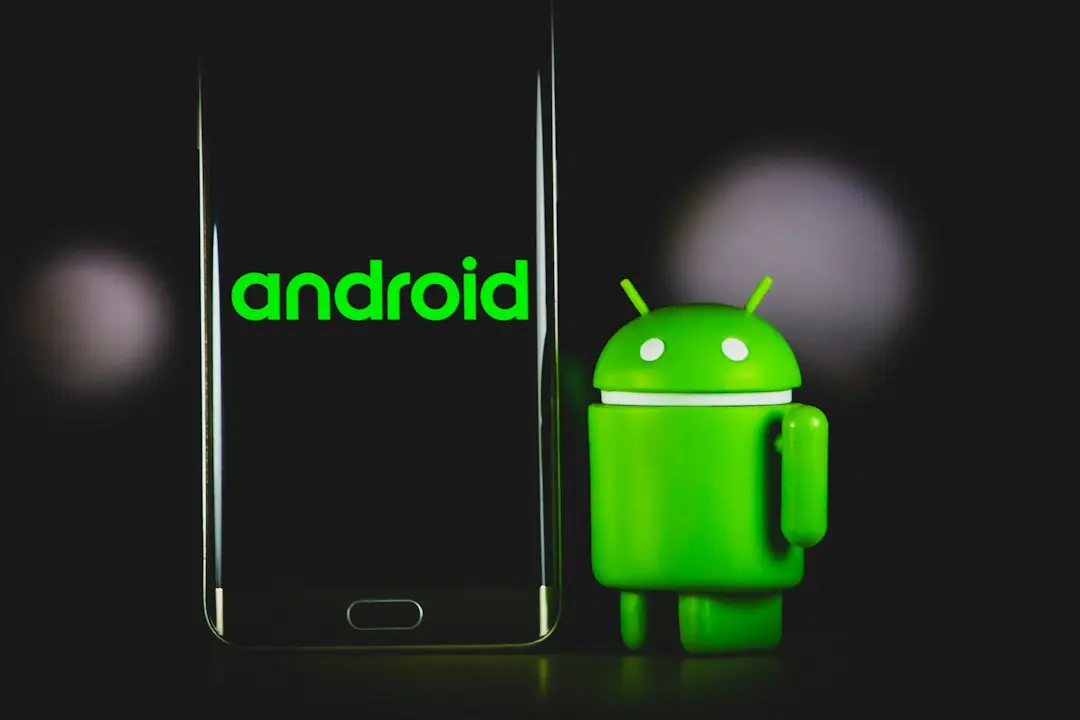
Google began distributing this update on September 24, 2026. The release targets the Android Beta program. It includes new features and system refinements. However, the rollout has a significant gap. The latest hardware models are currently excluded. This decision has surprised many tech enthusiasts. They expected the newest devices to receive updates first. Instead, older models are getting priority access. The situation highlights Google's complex release strategy. It also raises questions about hardware support timelines. Users need to wait for further announcements. The beta phase continues with this specific build.
Latest news
 Anthropic Unveils Claude Duet For Background AI Tasks
 Eiliko Creator Hires Independent Security Firm After Flawy Robot Charm Exposed
 Musk Compares Optimus Robot Training to Raising a Toddler
 Atari VCS Software Store Closes in February 2027
The update is available starting with the Pixel 6a series. This includes several other older device models. Google is prioritizing these specific hardware units. The Pixel 11 is notably missing from the initial list. This flagship device launched recently. Yet it does not support this beta version. The omission is a major talking point. Fans of the new phone are concerned. They wonder if there is a delay. Or if the software is not ready. Google has not provided a detailed explanation. The company often staggers beta releases. This allows for better testing on stable hardware. Older devices have known performance profiles. Developers can predict how they will react. Newer phones may have different chipsets. Testing on them requires more time. The Pixel 6a serves as a baseline. It represents the minimum supported hardware level. By starting here, Google ensures broad compatibility. The update will likely expand soon.
But for now, Pixel 11 owners must wait.
Why Is the Newest Phone Left Out?
The exclusion of the Pixel 11 is puzzling. Usually, flagship devices receive early access. This ensures they get the latest features. It also helps Google fix bugs quickly. The Pixel 11 uses the latest processor. It has the most advanced camera system. These components need careful software tuning. Perhaps the current beta is not optimized. Google may be focusing on stability first. The QPR2 cycle is mid-cycle. It adds features to the existing system. It is not a major version jump. Therefore, stability is crucial. If the update crashes on new hardware, it looks bad. Google may prefer to avoid that risk. They might be testing on older, proven units. This reduces the chance of widespread issues. The Pixel 6a has been out for years. Its drivers are well-understood. This makes it a safe choice for beta testing. The strategy protects the user experience.
It also allows Google to gather data. Once the update is stable, it will move up. The Pixel 11 will likely get it next. But the delay is annoying for new buyers. They paid for the latest phone. They expect the latest software. This gap creates frustration. It may impact sales of future models. Users want immediate access to new features. They do not want to wait for older phones. Google must balance testing with user expectations. The current approach favors caution over speed.
Frequently Asked Questions
Which phones get Android 17 QPR2 Beta 6 first? The Pixel 6a series leads the rollout. Other older Pixel models are also included. The Pixel 11 is not part of this initial wave.
Why is the Pixel 11 excluded from the beta? Google has not given a specific reason. It is likely due to testing priorities. Older devices offer a stable testing environment.
When will the Pixel 11 receive this update? There is no confirmed date yet. The update will likely arrive in a future beta. Users should monitor the official Android Beta program.
Comments
Leave a comment