Limited Privileges Define the Attack Scope
A new zero-day vulnerability named FastUnlock has been disclosed for Microsoft Windows. This unpatched security gap allows an attacker with physical access to a locked computer to launch applications. The technique bypasses the standard login screen entirely. No user sign-in is required to trigger the exploit. The flaw remains open because Microsoft has not yet released a fix. Attackers gain limited access rather than full administrative control.
Latest news
 Smart TVs frequently lose their Wi-Fi connection, leaving viewers staring at a spinning loading icon
 Why Ignoring Car Software Updates Is Risky
 Apple's foldable iPhone Duo introduces dual-display multitasking capabilities
 FCC Weighs Reciprocal Limits on Foreign Satellite Firms
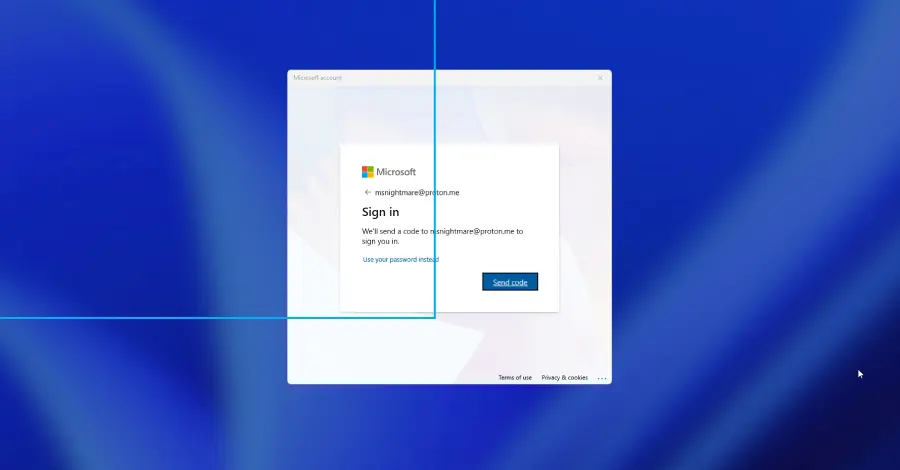
The method exploits a specific interaction within the operating system’s handling of local sessions. A researcher known online as MSNightmare published the findings recently. The alias Nightmare Eclip is also associated with this work. The core issue involves how Windows manages background processes when a user is locked out. By manipulating certain system components, an intruder can inject code into the active session. This allows software to run in the background without visible UI elements. The attack vector requires the attacker to be physically present at the device.
Does Physical Access Remain the Primary Barrier?
While the vulnerability grants access, it does not provide root or administrator rights. The attacker operates under a standard user account context. This restriction limits what can be done once the program is running. For instance, modifying system-wide settings may still require elevation. However, executing arbitrary code is often sufficient for many attack scenarios. The researcher demonstrated that specific executables could be launched successfully. These programs run silently behind the lock screen interface. Users may not notice any change until they unlock the machine. The lack of visual indicators makes detection difficult for average users.
The critical requirement for this exploit is physical proximity. An attacker must have their hands on the keyboard or mouse. Remote exploitation over a network is not supported by this specific technique. This places the threat primarily in high-risk environments. Offices, libraries, and shared workspaces become vulnerable targets. Anyone who leaves their workstation unlocked is at risk. The attacker does not need to know the password. They simply need a moment of unsupervised access to the hardware. This changes the security calculus for organizations with shared terminals.
Does FastUnlock give full administrator control? No, the exploit grants a limited user account. Attackers cannot modify core system files or install drivers directly. They can only run programs within the permissions of that standard account.
Frequently Asked Questions
Is a patch available for this zero-day? Microsoft has not yet released a security update. The vulnerability remains unpatched as of the latest disclosure. Users should assume the flaw is exploitable until a fix is deployed.
Can this attack happen remotely? No, physical access to the computer is mandatory. The attacker must interact with the local input devices. Remote attacks via network connections are not part of this specific method.
Comments
Leave a comment