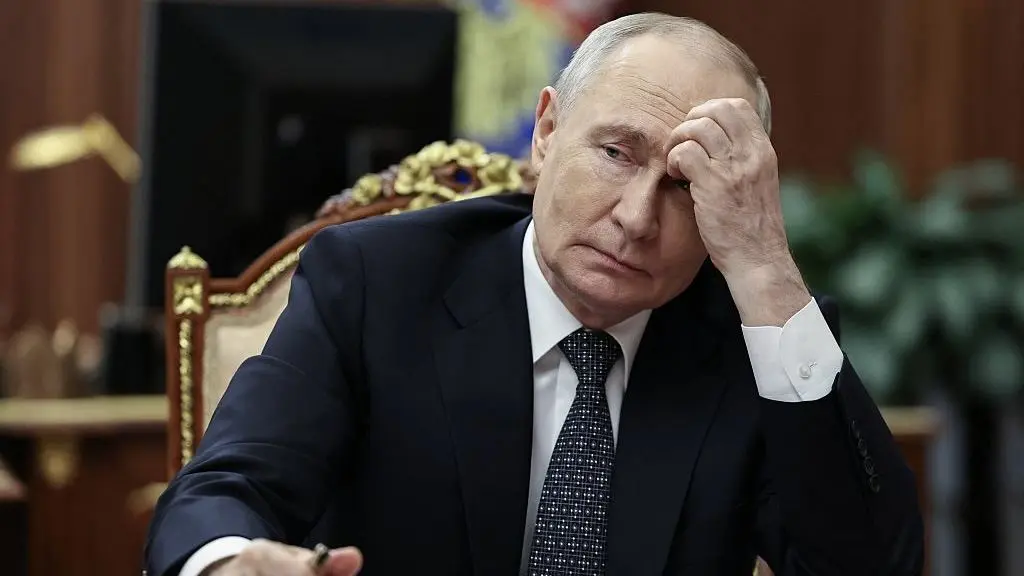
Digital Voting Under Scrutiny
Moscow – On September 22, Russian President Vladimir Putin was filmed for a state‑run broadcast as he logged onto an online voting platform using a Dell computer running an unlicensed copy of Windows 10. The footage, released by the Kremlin’s media arm, shows the leader navigating the system and confirming his ballot in a setting that resembles a typical office desk.
Latest news
 Anker Unveils Playful 45W Charger With Animated Face Display
 Google Docs Web Version Still Missing Native Dark Mode
 Anthropic-Linked Vulnerability Exploited From China, Targets US and Japan
 Text‑Based AI Agents: Your New Digital Assistants
The video sparked immediate criticism from cybersecurity experts who warned that the use of pirated software could expose sensitive electoral data to malware and foreign intrusion. Analysts noted that the voting platform, introduced for the first time in this year’s parliamentary elections, relies on secure encryption, yet the operating system’s illegal status undermines those safeguards. Kremlin officials defended the image, saying the president’s participation demonstrates confidence in the digital voting process and that the software issue is a minor administrative oversight.
The new online voting system was rolled out nationwide to accommodate voters in remote regions and to reduce the strain on polling stations. Officials claim it offers a convenient alternative to traditional paper ballots, with real‑time verification and automatic tallying. However, the revelation that the president used an unlicensed OS raises doubts about the system’s overall integrity. Cybersecurity firms pointed out that pirated Windows installations often lack critical security patches, making them vulnerable to ransomware and spyware. If a similar flaw were exploited during the election, it could potentially alter vote counts or expose voter identities.
Does the President’s Mistake Signal Broader IT Neglect?
Opposition parties have seized the moment to demand a thorough audit of the digital platform. „When the highest office uses illegal software, it sends a troubling message about the state’s commitment to secure elections,” said an unnamed senior analyst from a Moscow think‑tank. International observers, already wary of Russia’s electoral transparency, are likely to cite this incident in their upcoming reports.
The incident may reflect deeper issues within Russian government procurement and IT management. State agencies have long been criticized for relying on outdated hardware and software, often bypassing official licensing channels to cut costs. Critics argue that such practices not only breach international intellectual property laws but also jeopardize national cybersecurity. The Kremlin’s response has been to label the footage as „symbolic” and to assure the public that all voting servers run fully licensed, hardened systems. Yet the visual evidence of the president’s personal workstation contradicts that narrative, prompting calls for a comprehensive review of all government‑owned computers.
Looking ahead, the controversy could pressure lawmakers to tighten regulations around digital voting infrastructure. If the public perceives the system as compromised, voter turnout may decline, and confidence in election outcomes could erode. The Kremlin may need to replace unlicensed machines, increase transparency about software licensing, and possibly involve independent auditors to restore trust.
Frequently Asked Questions
Why is using unlicensed software a security risk? Pirated operating systems often miss critical updates and lack official support, leaving them open to malware that can steal or alter data, including votes.
Has the Kremlin acknowledged the licensing issue? Officials have downplayed the incident, describing it as an administrative slip, but they have not publicly committed to replacing the illegal software.
What impact could this have on future Russian elections? If confidence in the digital voting system wanes, authorities may face pressure to revert to paper ballots or overhaul the online platform, affecting election logistics and public trust.
Comments
Leave a comment