Why Add Fear to a Data Theft Tool?
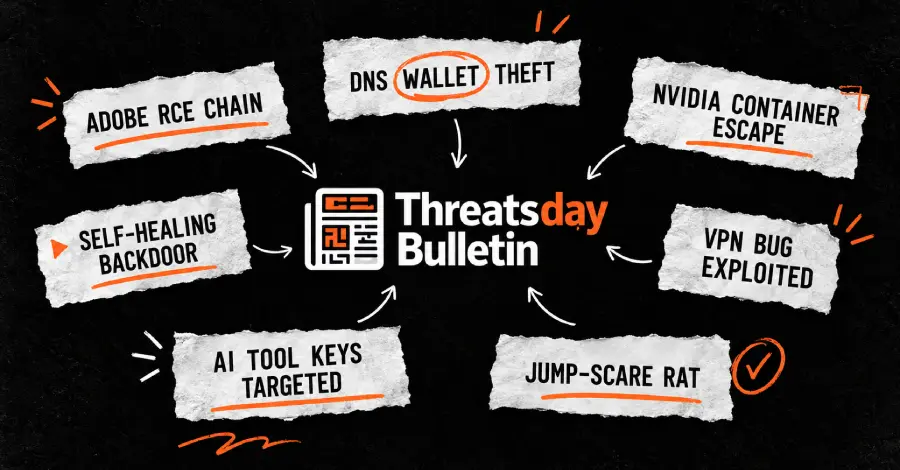
A newly discovered security tool has been found to not only steal sensitive data from victims but also deliberately scare them as an added feature. Researchers identified the malicious software during routine threat analysis, noting its dual purpose of data exfiltration and psychological intimidation. The tool operates by exploiting small system permissions to gain access, then uses trusted login mechanisms to conceal its presence while harvesting information. Once inside, it triggers unsettling alerts or messages designed to provoke fear in the user, turning a standard breach into a targeted harassment tactic. This approach blurs the line between cybercrime and digital intimidation, raising concerns about the evolving motives behind malware development.
Latest news
 Anthropic Unveils Claude Duet For Background AI Tasks
 Eiliko Creator Hires Independent Security Firm After Flawy Robot Charm Exposed
 Musk Compares Optimus Robot Training to Raising a Toddler
 Atari VCS Software Store Closes in February 2027
The inclusion of fear-inducing elements appears to serve no direct technical purpose in the data theft process but may aim to disrupt victim behavior or delay reporting. By creating panic, attackers could prevent users from seeking help or taking corrective actions, thereby extending the window of access. Security experts suggest this tactic might also be used to test psychological manipulation as a future vector in cyberattacks. The tool’s design reflects a growing trend where attackers combine technical exploits with social engineering techniques to amplify impact. Such methods complicate defense strategies, as traditional security measures focus on code anomalies rather than behavioral manipulation.
How Do Small Permissions Lead to Major Breaches?
The malware gains initial access through seemingly minor system permissions that users often overlook or grant without scrutiny. These permissions, sometimes tied to legitimate software updates or browser extensions, allow the tool to establish a foothold without triggering alarms. Once inside, it escalates privileges by exploiting outdated components or misconfigured services, effectively turning a small opening into a full system compromise. This method highlights the importance of permission hygiene and regular audits of access rights, especially in environments where users have broad default privileges. Even minor oversights can become critical vulnerabilities when chained with evasion techniques like trusted process masking.
What makes this tool different from typical data stealers? Unlike standard malware focused solely on data collection, this tool intentionally includes features designed to frighten victims, adding a psychological component to the attack.
Frequently Asked Questions
Can users detect the fear-inducing behavior of this malware? The scary alerts or messages may appear as fake system warnings or pop-ups, which could be mistaken for legitimate software, making detection challenging without behavioral monitoring.
Is exploiting small permissions a common attack vector? Yes, attackers frequently leverage minor permissions granted to seemingly harmless applications as a stepping stone to broader system access, especially when combined with evasion tactics.
Comments
Leave a comment