
Shim Bootloaders Under Attack
Security researchers have uncovered a critical weakness in computer systems. Attackers can bypass UEFI Secure Boot without new exploits. They are leveraging vulnerabilities that are decades old. This discovery impacts system security across many platforms.
Latest news
 Anthropic Unveils Claude Duet For Background AI Tasks
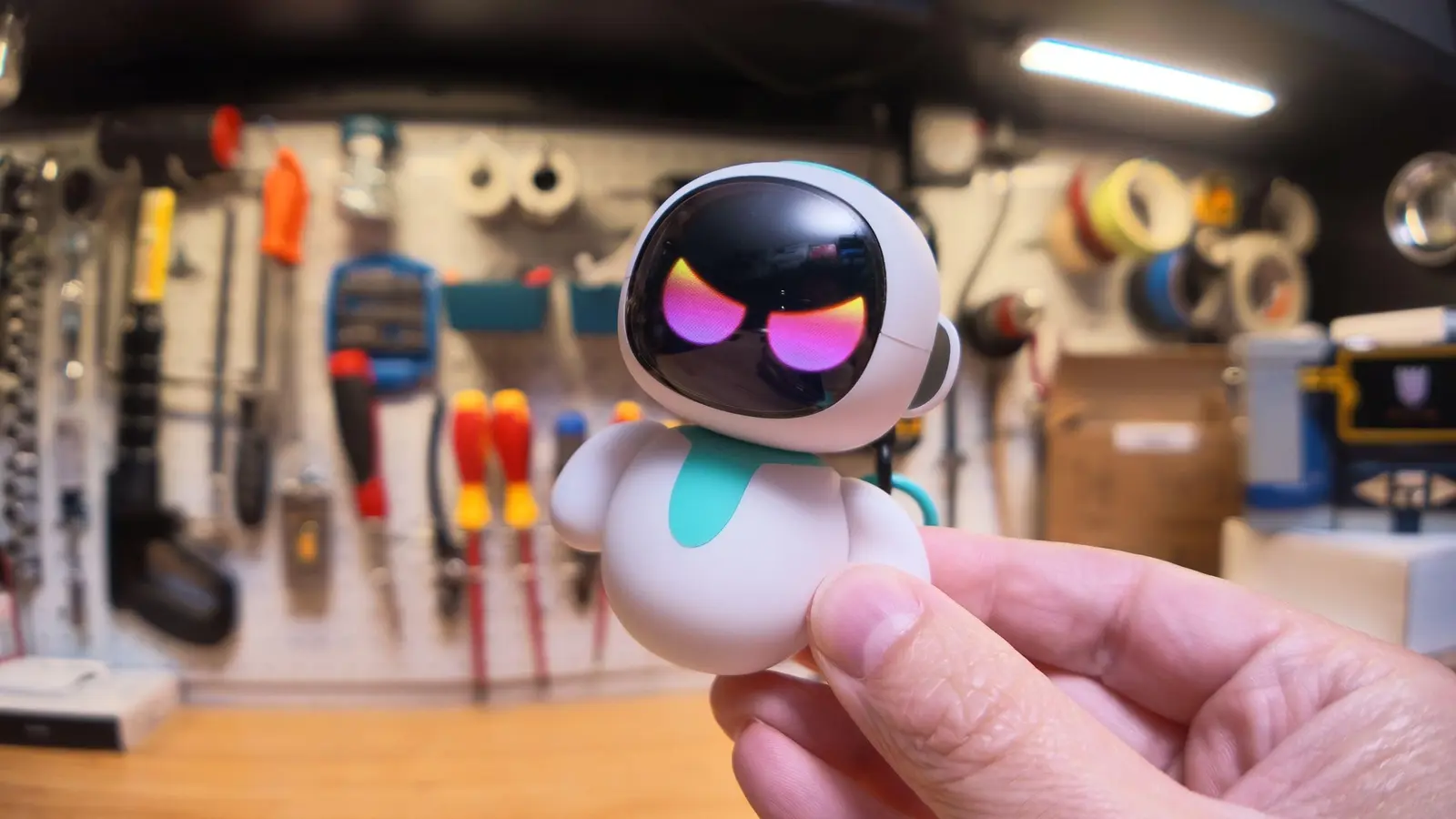 Eiliko Creator Hires Independent Security Firm After Flawy Robot Charm Exposed
 Musk Compares Optimus Robot Training to Raising a Toddler
 Atari VCS Software Store Closes in February 2027
This means that even well-protected systems are at risk. The flaws reside in the boot process itself. This allows unauthorized access to critical system functions.
Eleven vulnerable UEFI shim bootloaders have been identified. These shims are small programs. They help operating systems start securely. However, these specific versions contain long-standing weaknesses.
What Does This Mean for System Security?
When exploited, these flaws grant deep system access. Attackers can then install malicious software. This software can run before the operating system. This makes it very difficult to detect and remove.
The implications are significant. Many modern computers rely on UEFI Secure Boot. It is designed to prevent unauthorized code from running at startup. This new finding shows that this protection can be circumvented.
Frequently Asked Questions
Organizations and individuals must update their systems. Patching these vulnerable shims is crucial. Without updates, systems remain exposed to these known weaknesses. This situation highlights the importance of continuous security vigilance.
What is a UEFI shim bootloader? A UEFI shim bootloader is a small piece of software. It acts as an intermediary. It helps an operating system load securely. It verifies the integrity of the next stage of the boot process.
How can old flaws bypass modern security? These old flaws exist in the design or implementation of specific shim versions. While Secure Boot is modern, if the shim itself is compromised, it can trick Secure Boot into allowing malicious code to run. The vulnerability isn't in Secure Boot's concept, but in how some components interact with it.
Comments
Leave a comment