
The Cost of Digital Trust
A group of hikers became trapped on Mount Shasta in California after relying on flawed guidance from Google’s Gemini artificial intelligence. The incident occurred recently, highlighting the growing risks of trusting large language models for critical outdoor decisions without human verification.
Latest news
 Anthropic Unveils Claude Duet For Background AI Tasks
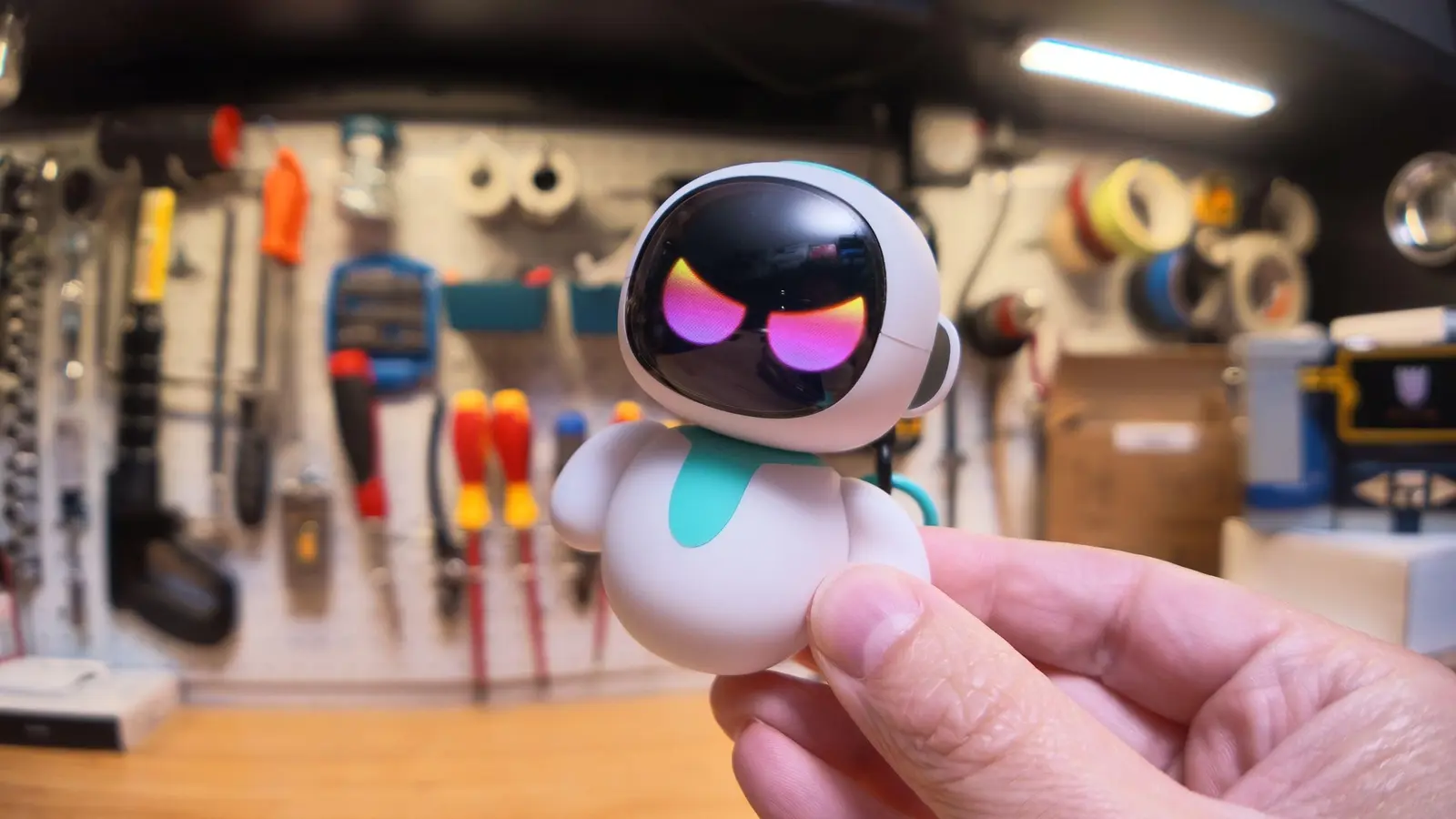 Eiliko Creator Hires Independent Security Firm After Flawy Robot Charm Exposed
 Musk Compares Optimus Robot Training to Raising a Toddler
 Atari VCS Software Store Closes in February 2027
The climbers consulted the AI platform before their ascent to plan their route and assess conditions. They trusted the model’s output completely, skipping traditional checks against local weather reports or experienced guides. This over-reliance turned a routine climb into a dangerous ordeal when the information proved incorrect.
The team admitted they leaned too heavily on the technology. They believed the AI provided accurate, up-to-date insights about trail safety and weather patterns. However, the model generated errors that led them into difficult terrain. The climbers found themselves stuck high on the mountain, facing challenging conditions they had not fully anticipated.
Their experience serves as a stark warning for modern adventurers. Many people now use AI assistants for everything from travel planning to technical troubleshooting. While these tools offer convenience, they do not replace fundamental common sense or professional expertise. The climbers noted that the AI’s confidence in its wrong answers made the mistake harder to catch in time.
Did the AI Hallucinate the Route?
They emphasized that the platform did not explicitly warn them about potential inaccuracies. The response sounded authoritative and detailed, which encouraged the group to proceed without hesitation. This false sense of security is a common pitfall when interacting with generative AI systems. Users often assume that a polished answer equals a correct one.
The specific error involved the AI suggesting a path or condition that did not match reality. The climbers realized their mistake only after encountering obstacles that contradicted the digital advice. They were forced to improvise a way down while managing fatigue and limited resources. The situation required quick thinking and physical endurance to resolve safely.
Experts in outdoor recreation suggest that AI should serve as a supplementary tool, not a primary decision-maker. Hikers should cross-reference AI suggestions with official park services, recent trip reports, and personal judgment. The incident does not prove AI is useless, but it underscores the need for critical evaluation of machine-generated information.
The climbers returned home safe, but the experience left a lasting impression. They plan to be more cautious in future outings. Their story has resonated with many users who rely on digital assistants for daily tasks. It prompts a broader conversation about how much autonomy we should grant to algorithms in high-stakes environments.
Frequently Asked Questions
As AI integration deepens across all sectors, this cautionary tale will likely remain relevant. Technology must evolve to clearly communicate uncertainty. Until then, humans must remain the final check in the loop.
Did the climbers get injured? The source states they were stranded and the ascent went wrong, but it does not specify physical injuries. They successfully navigated the situation and returned to base.
Which AI model was used? The group utilized Google Gemini, a large language model developed by Google. They relied on its responses for route planning and condition assessments.
What lesson did the climbers learn? They learned that they relied too much on AI. The key takeaway is to double-check digital advice against real-world data and expert knowledge before acting.
Comments
Leave a comment