Digital Reconnaissance Through Fake Recruitments
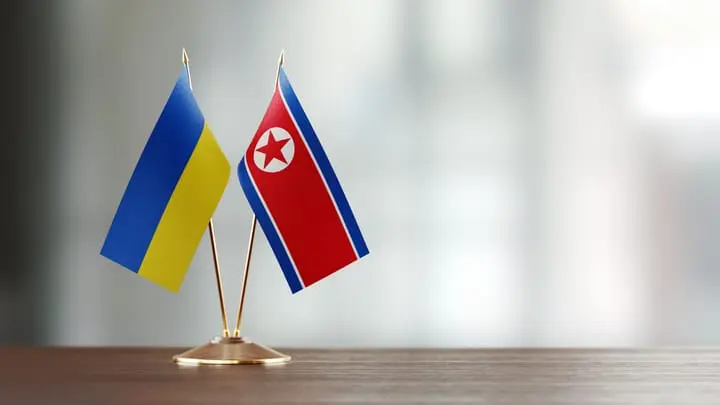
The Democratic People's Republic of Korea has launched a sophisticated phishing campaign aimed at Ukrainian military personnel. North Korean cyber operators are using fake job listings to gather intelligence on Ukraine's ongoing war efforts. This digital offensive seeks to extract sensitive operational details from soldiers and support staff. The initiative represents a significant escalation in the DPRK's active engagement with the conflict through cyber means.
Latest news
 Corsair Vengeance DDR5-6000 Kit Offers Ideal Speed for AMD Builds
 Hide.me VPN releases major Android update
 Hackers launch massive PHP2Shell attack wave
 Googlebooks are not yet ready for prime time
Cybersecurity researchers have identified a structured operation where North Korean state actors create convincing recruitment profiles. These profiles often mimic legitimate defense industry employers or international consulting firms. The goal is to lure Ukrainian service members into sharing their current roles, unit designations, and recent deployments. By posing as potential employers, the attackers lower the guard of targets who may be considering career changes or seeking better pay. This method allows intelligence officers to map out the structure and capabilities of specific Ukrainian units without direct combat engagement.
The phishing kits used in this campaign are highly personalized and technically robust. Attackers analyze public social media posts and professional networks to tailor their messages. They reference specific equipment models, training locations, and even unit nicknames to establish credibility. Once a target responds, the conversation shifts to a secure messaging platform controlled by the North Korean team. Here, they probe for details regarding logistics, supply chains, and command hierarchies. The collected data helps the DPRK understand how Ukraine sustains its forces on the front lines. This information supports both strategic planning and potential future engagements.
Why Targeting Personnel Yields Critical War Intelligence
Human intelligence remains a vital component of modern warfare, especially when physical espionage is difficult. North Korea leverages its experienced cyber workforce to fill gaps in traditional reconnaissance. By focusing on individual soldiers rather than high-level officials, the campaign captures granular operational data. This bottom-up approach reveals weaknesses in communication protocols and logistical bottlenecks. The DPRK aims to use this insight to refine its own military strategies and support its allies. The campaign highlights the growing importance of soft power in asymmetric conflicts.
Ukrainian defense ministries are now advising personnel to scrutinize unsolicited recruitment offers. Experts recommend verifying the identity of any new contact through established channels before sharing sensitive details. As the war continues, the digital battlefield expands beyond code and servers to include human interaction. North Korea’s initiative signals a long-term commitment to influencing the outcome through information dominance. Future campaigns may become more aggressive, targeting civilians and contractors alongside active-duty troops. The conflict increasingly blends kinetic operations with persistent digital infiltration efforts.
Frequently Asked Questions
Who is primarily targeted by this North Korean campaign? Active-duty Ukrainian soldiers and military support staff are the main targets. The attackers focus on individuals who might be open to career changes or better compensation.
How do the attackers establish trust with their targets? They use detailed knowledge of the target's current unit and equipment to appear credible. Personalized messages referencing specific deployments help convince victims that the offer is legitimate.
What is the ultimate goal of gathering this intelligence? The DPRK seeks to understand Ukrainian military structures, logistics, and capabilities. This data informs strategic decisions and supports broader geopolitical objectives in the region.
Comments
Leave a comment