
How LG’s Standby Data Collection Works
A recent analysis by cybersecurity researchers has revealed that certain LG smart televisions continue to collect and transmit user data even when powered off or in standby mode, raising significant privacy concerns. The findings suggest that the TVs’ behavior closely resembles that of malicious software, with background processes logging viewing habits, app usage, and network activity without clear user consent or opt-out options. This data collection occurs despite the device appearing inactive to the user, potentially exposing sensitive information to third parties or internal analytics systems.
Latest news
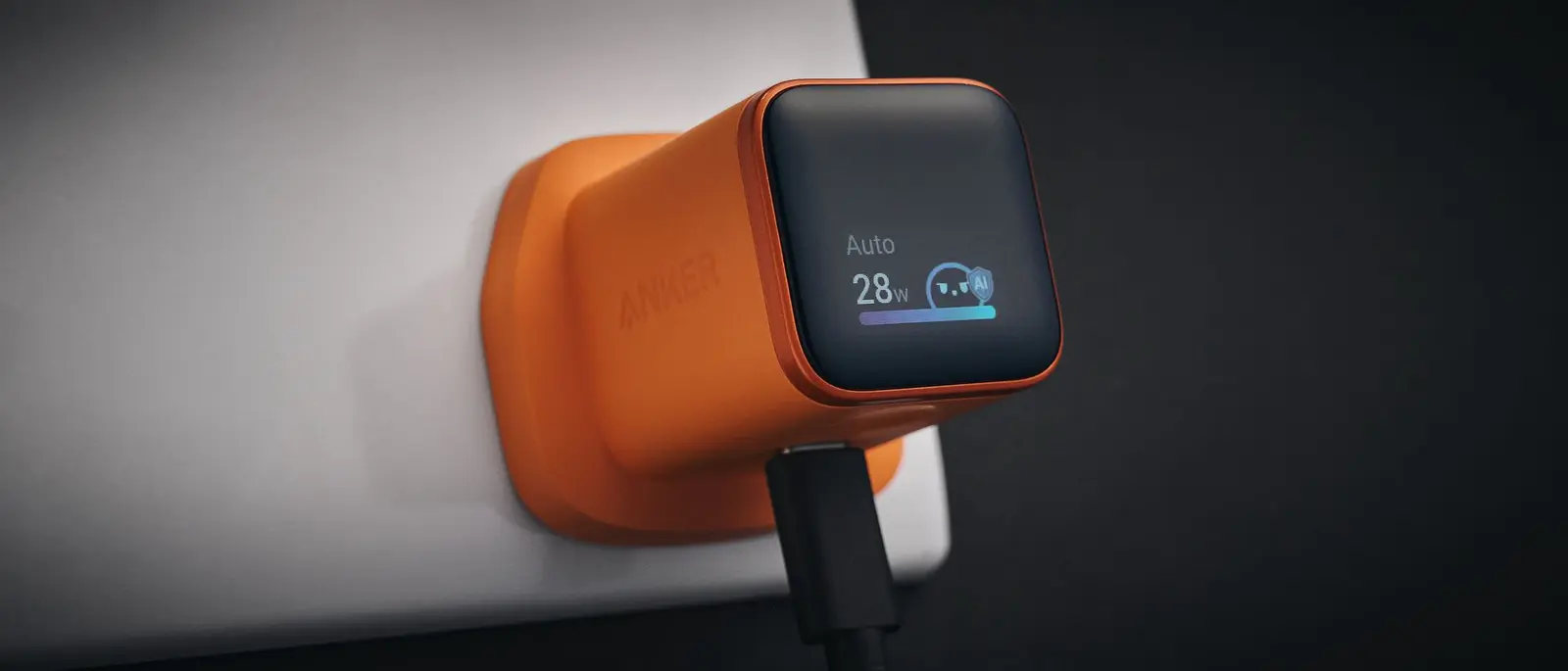 Anker Unveils Playful 45W Charger With Animated Face Display
 Google Docs Web Version Still Missing Native Dark Mode
 Anthropic-Linked Vulnerability Exploited From China, Targets US and Japan
 Text‑Based AI Agents: Your New Digital Assistants
The investigation, conducted by independent security experts, focused on LG’s webOS platform and its data transmission patterns during low-power states. Researchers observed that the televisions maintained network connections and sent encrypted packets to LG’s servers, even when the screen was dark and the remote appeared unresponsive. While LG states that such data helps improve services and enable features like voice recognition and personalized recommendations, critics argue that the lack of transparency and user control makes the practice indistinguishable from spyware. One researcher noted that the data flow „parallels malware” in its stealth and persistence, particularly because users are not informed about what is being collected or how long it is retained.
Can Users Protect Themselves from This Data Logging?
According to the technical findings, the TVs do not fully power down but instead enter a low-power state where core system functions remain active. This allows the device to respond to voice commands, schedule recordings, or receive over-the-air updates. However, researchers found that during this state, the TV continues to gather metadata from connected devices on the same network, including smartphone identifiers and streaming service logs. Although the data is encrypted in transit, the absence of a clear privacy setting to disable this behavior leaves users with no effective way to opt out. LG has not publicly detailed the exact types of data collected in standby, nor has it provided a method to fully disable background transmissions without disconnecting the TV from the internet.
Experts recommend that consumers concerned about privacy consider disconnecting their LG TVs from the internet when not in use, though this disables smart features entirely. Alternatively, users can limit data sharing through the TV’s privacy settings, though these options do not appear to affect standby-mode transmissions. Some suggest using network-level tools like firewalls or DNS filters to block outgoing connections to known LG analytics domains. However, researchers caution that such measures may interfere with legitimate updates or functionality. The broader implication, they warn, is that smart home devices may be harvesting data under the guise of convenience, blurring the line between utility and surveillance without adequate user awareness or regulatory oversight.
Does LG TV data collection in standby mode violate any laws? Currently, there is no clear evidence that LG’s practices break existing data protection laws in all jurisdictions, but they may conflict with principles of transparency and consent under regulations like GDPR in Europe or CCPA in California, especially if users are not adequately informed.
Frequently Asked Questions
Can turning off the TV completely stop data logging? Only if the TV is unplugged or disconnected from power. Simply turning it off via remote typically puts it in standby, where data collection may continue. A full power cut is required to halt all background processes.
Is this issue unique to LG televisions? While the study focused on LG models, similar background data transmission behaviors have been observed in other smart TV brands, suggesting this may be a broader industry trend rather than an isolated problem.
Comments
Leave a comment