The Role of Advanced AI in Modern Espionage
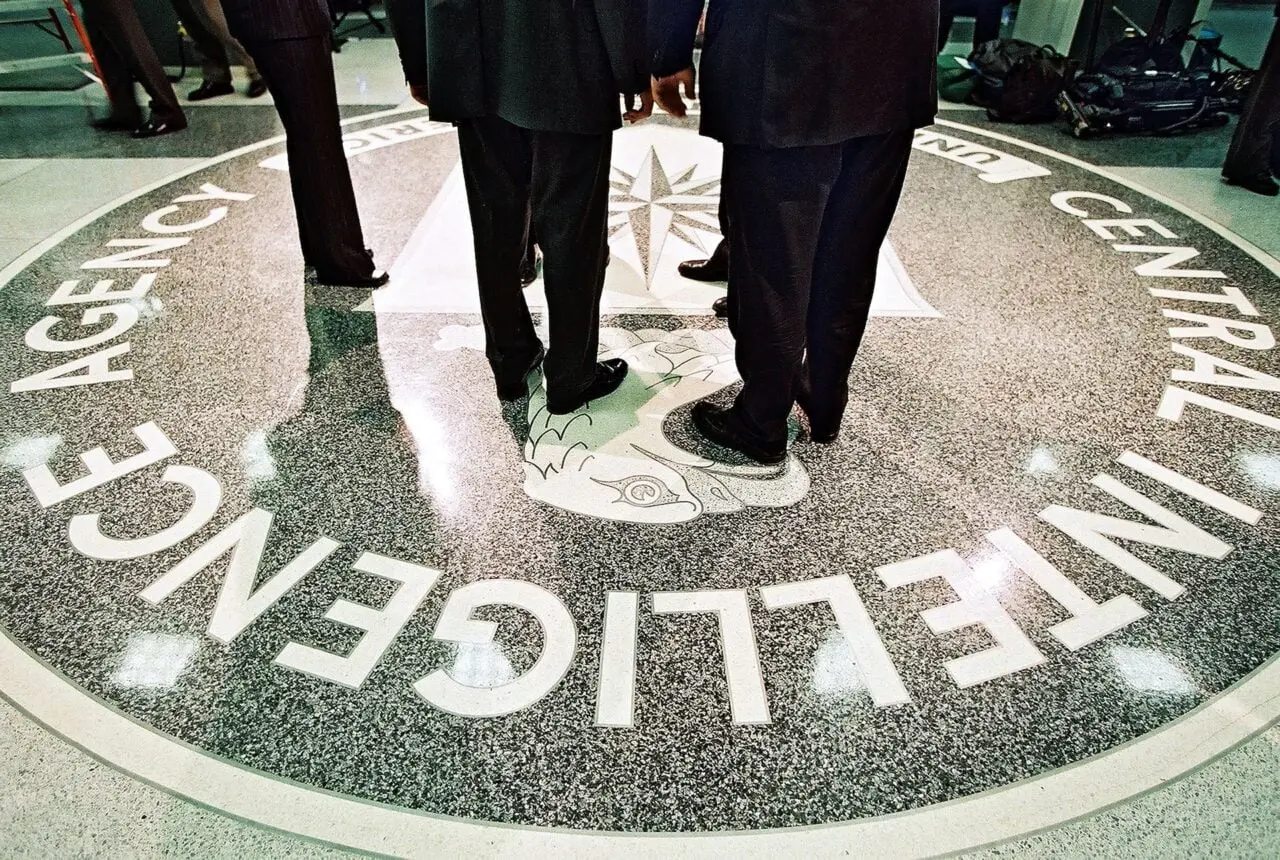
American intelligence networks experienced a significant security breach last Tuesday, according to recent media reports. Anonymous government sources indicated that the Central Intelligence Agency, the National Geospatial-Intelligence Agency, and the Office of the Director of National Intelligence all suffered unauthorized access. The intrusion reportedly exposed unclassified data across these vital national security organizations.
Latest news
 Drupal Fail2Install RCE Flaw Added to CISA KEV Catalog
 Turnitin Confirms Cyberattack on Customer-Facing Systems
 AI coding agents are moving beyond code generation
 Microsoft Resolves Critical Bug Blocking Office App Access
The investigation into the incident points toward foreign involvement and advanced technology. Insiders speaking to journalists suggested that an artificial intelligence hacking tool was utilized during the operation. Analysts suspect that state-sponsored actors from China may be responsible for orchestrating the sophisticated cyber assault.
The deployment of automated cyber weapons marks a critical shift in state-sponsored digital warfare. Security experts note that machine learning algorithms can probe defenses much faster than human operators. This capability allows foreign adversaries to map networks and identify vulnerabilities with unprecedented speed.
Could This Breach Alter US Cyber Defense Strategy?
Intelligence officials confirmed that the compromised systems primarily held unclassified information. However, security analysts warn that adversaries often harvest non-classified data to build comprehensive profiles on government personnel and operational frameworks. Such intelligence gathering serves as a stepping stone for future, more damaging operations.
National security leaders face mounting pressure to overhaul their digital infrastructure in light of the incident. Lawmakers are demanding stricter oversight and faster integration of counter-intelligence measures to detect AI-driven threats. Protecting unclassified networks will likely receive higher funding and priority moving forward.
The event underscores the vulnerability of even the most heavily defended government agencies to automated cyber attacks. As foreign adversaries continue to refine their digital arsenals, American intelligence must adapt equally sophisticated countermeasures. The long-term fallout from this breach will shape federal technology policies for years.
Frequently Asked Questions
Which specific agencies were targeted in the cyber attack? The breach impacted the Central Intelligence Agency, the National Geospatial-Intelligence Agency, and the Office of the Director of National Intelligence.
What kind of data was exposed during the security breach? Reports indicate that primarily non-classified data was exposed as a result of the unauthorized network access.
Who is suspected of orchestrating the digital intrusion? Anonymous sources speaking to the press suggested that China may be the culprit behind the AI-powered operation.
Comments
Leave a comment