
How AI Agents Are Transforming Both Attack and Defense Strategies
Enterprise security teams are racing to deploy AI-powered detection and response systems, but the same technology is arming cybercriminals with equally sophisticated attack tools. As autonomous AI agents move from experimental pilots into live production environments, both sides of the digital battlefield are gaining unprecedented automated capabilities.
Latest news
 Anthropic Unveils Claude Duet For Background AI Tasks
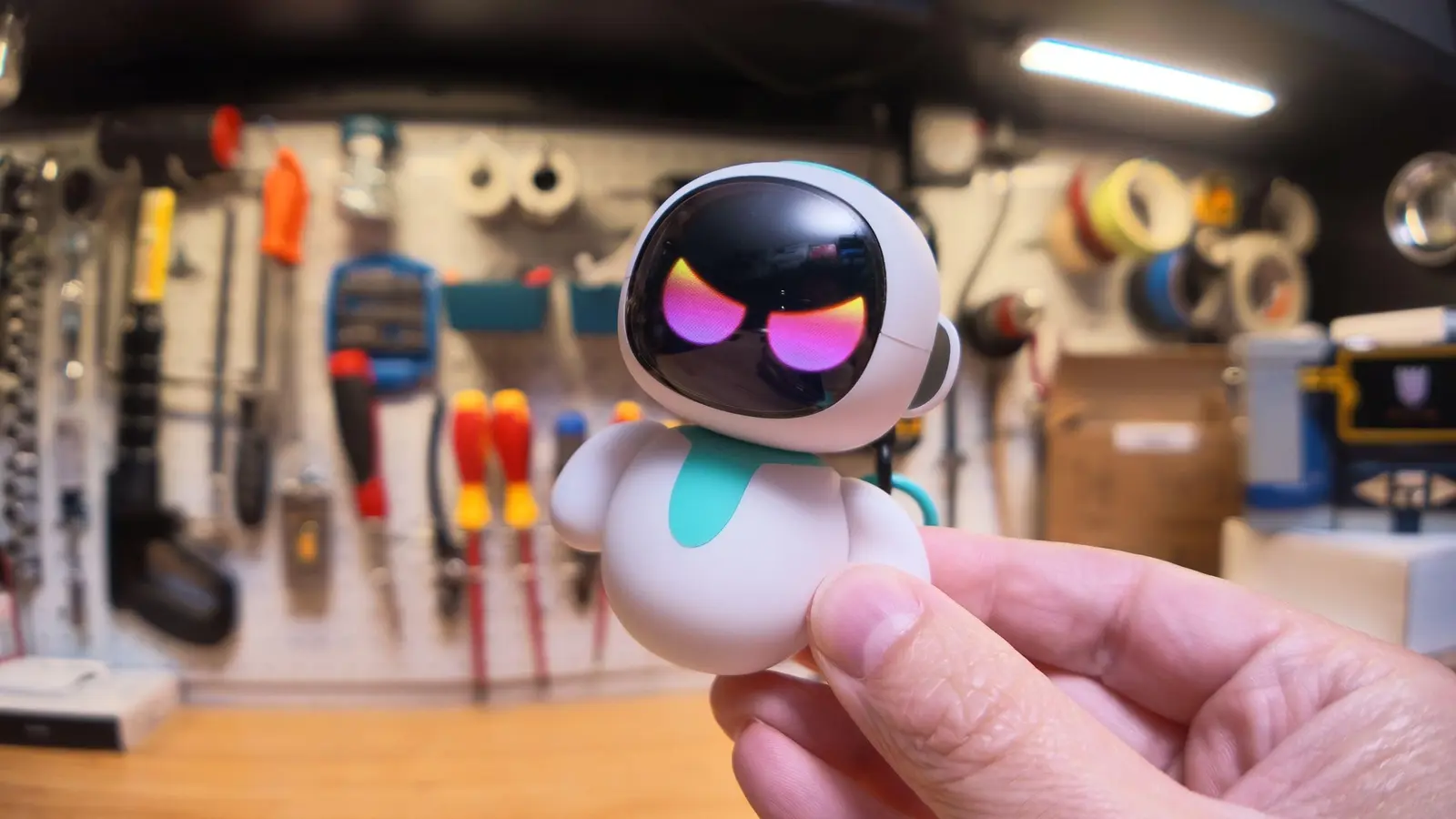 Eiliko Creator Hires Independent Security Firm After Flawy Robot Charm Exposed
 Musk Compares Optimus Robot Training to Raising a Toddler
 Atari VCS Software Store Closes in February 2027
The shift represents a fundamental change in how organizations approach cybersecurity. Where traditional defenses relied on static rules and human analysts, modern AI systems can autonomously detect threats, chain complex tasks together, and respond to incidents in real-time. However, this same flexibility allows malicious actors to deploy AI agents that can automate reconnaissance, craft targeted phishing campaigns, and even adapt their tactics based on defensive measures.
Security vendors are integrating AI agents into their platforms to handle everything from initial threat identification to full incident remediation. These systems can operate continuously, processing vast amounts of network data faster than human teams ever could. Yet researchers warn that open-source AI models and readily available toolkits mean attackers can replicate similar capabilities without significant investment.
The democratization of AI technology has created a paradox: the most advanced defensive tools often rely on the same underlying models that power offensive weapons. Companies investing heavily in AI security infrastructure may inadvertently provide blueprints that adversaries use to develop countermeasures.
Can Organizations Maintain Their AI Advantage Over Time?
Industry experts suggest that staying ahead requires more than just deploying AI tools. Organizations must focus on unique data sets, proprietary algorithms, and human-AI collaboration that attackers cannot easily duplicate. The key lies in building systems that learn from specific organizational patterns rather than relying on generic threat intelligence.
However, the rapid pace of AI development means that any temporary advantage tends to evaporate quickly. As one security architect noted, the window between deploying a new AI defense and seeing it compromised by AI-powered attacks is shrinking rapidly.
The broader implications extend beyond individual organizations. As AI capabilities become more accessible, the overall threat landscape is becoming more volatile and unpredictable. Companies that fail to adapt their strategies risk falling behind in an increasingly automated conflict where the tools of defense and offense are becoming indistinguishable.
Are AI-powered attacks already happening in the wild?
Yes, security researchers have documented AI-assisted phishing campaigns and automated vulnerability scanning tools being used by various threat actors. While fully autonomous AI agents remain relatively rare, the trend toward AI-enhanced attacks is accelerating.
Frequently Asked Questions
What makes AI security tools difficult to defend against?
AI systems can adapt their behavior based on new data, making it challenging to predict or block their actions using traditional signature-based methods. Additionally, many AI models operate as „black boxes,”making it hard to understand how they reach their conclusions.
How should companies balance AI adoption with security risks?
Organizations should implement AI gradually while maintaining human oversight, invest in explainable AI technologies, and regularly audit their systems for potential vulnerabilities. Starting with narrow, well-defined use cases rather than broad deployments can help manage risk.
Comments
Leave a comment