
Weaponizing Automation for Digital Infiltration
A sophisticated Russian hacking group recently leveraged artificial intelligence to execute large-scale cyberattacks against hundreds of global organizations. The campaign exploited two critical security flaws within PaperCut NG and MF print management software. These automated strikes occurred throughout the year, marking a significant escalation in how threat actors develop and deploy malicious exploits.
Latest news
 Why the Rumored iPhone Duo Excites Android Foldable Fans
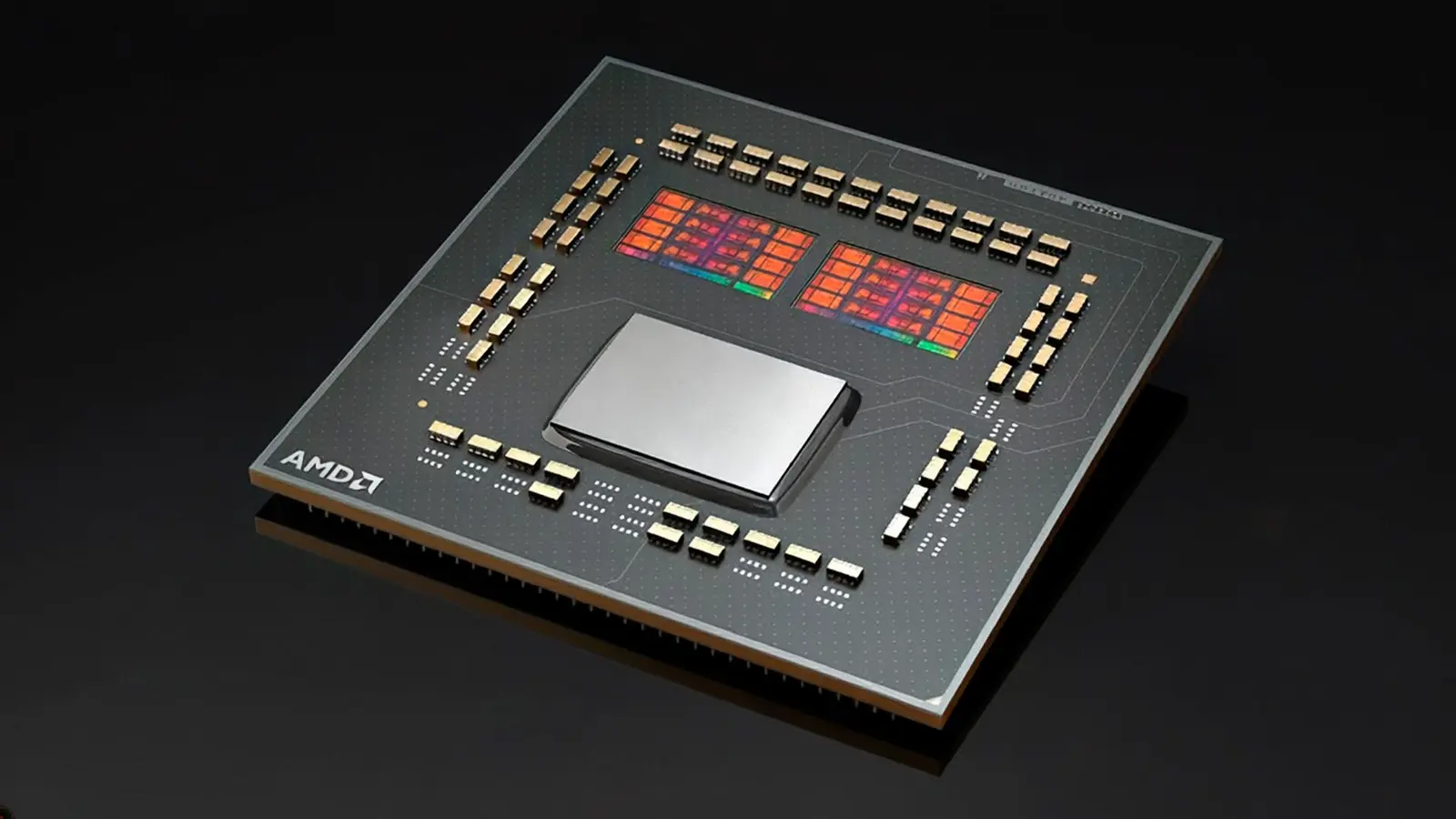 AMD's Canceled Ryzen 9 5900X3D Leaks Online
 California Subpoenas OpenAI Over Autonomous AI Hacking Risks
 Nvidia-Backed UK Supercomputer Faces Multi-Year Power Delay
The attackers utilized AI tools to accelerate the creation and testing of their exploit code. By automating the discovery process, the group successfully identified and breached vulnerable servers across various industries. This rapid deployment allowed the hackers to bypass traditional security defenses before patches could be effectively implemented by many of the affected entities.
The integration of artificial intelligence into the attack lifecycle represents a shift in modern cyber warfare. Instead of relying solely on manual labor, the Russian-linked threat actors used AI to refine their malicious scripts. This enabled them to launch highly targeted attacks with minimal human intervention. The speed of these operations often outpaced the response capabilities of internal IT security teams.
How Can Organizations Defend Against AI-Enabled Threats?
By utilizing AI for vulnerability research, the hackers quickly pinpointed weaknesses in the PaperCut architecture. Once the flaws were identified, the automated systems facilitated the mass exploitation of servers worldwide. This strategy maximized the reach of the campaign, impacting a broad range of businesses and public sector organizations simultaneously.
Defending against AI-driven campaigns requires a proactive approach to patch management and network monitoring. Security experts emphasize that speed is essential when critical vulnerabilities are disclosed by software vendors. Organizations must prioritize updating their print management systems immediately to prevent unauthorized access. Relying on legacy security protocols is no longer sufficient against automated, AI-enhanced threats.
The long-term consequences of these breaches include potential data theft and the compromise of internal network integrity. As threat actors continue to adopt advanced technologies, the digital landscape will likely become increasingly volatile. Companies must invest in robust threat intelligence and automated defense systems to counter these evolving risks effectively.
Frequently Asked Questions
What specific software was targeted in these attacks? The attacks targeted PaperCut NG and MF print management software. Hackers exploited two specific vulnerabilities within these platforms to gain unauthorized access.
How did the attackers use AI to improve their results? The threat actors used AI to build, test, and deploy their exploit code. This automation allowed them to scale their operations and strike hundreds of organizations rapidly.
What should businesses do to protect themselves? Organizations should immediately apply all available security patches for their software. Maintaining updated systems and monitoring network traffic for unusual activity are critical defensive steps.
Comments
Leave a comment