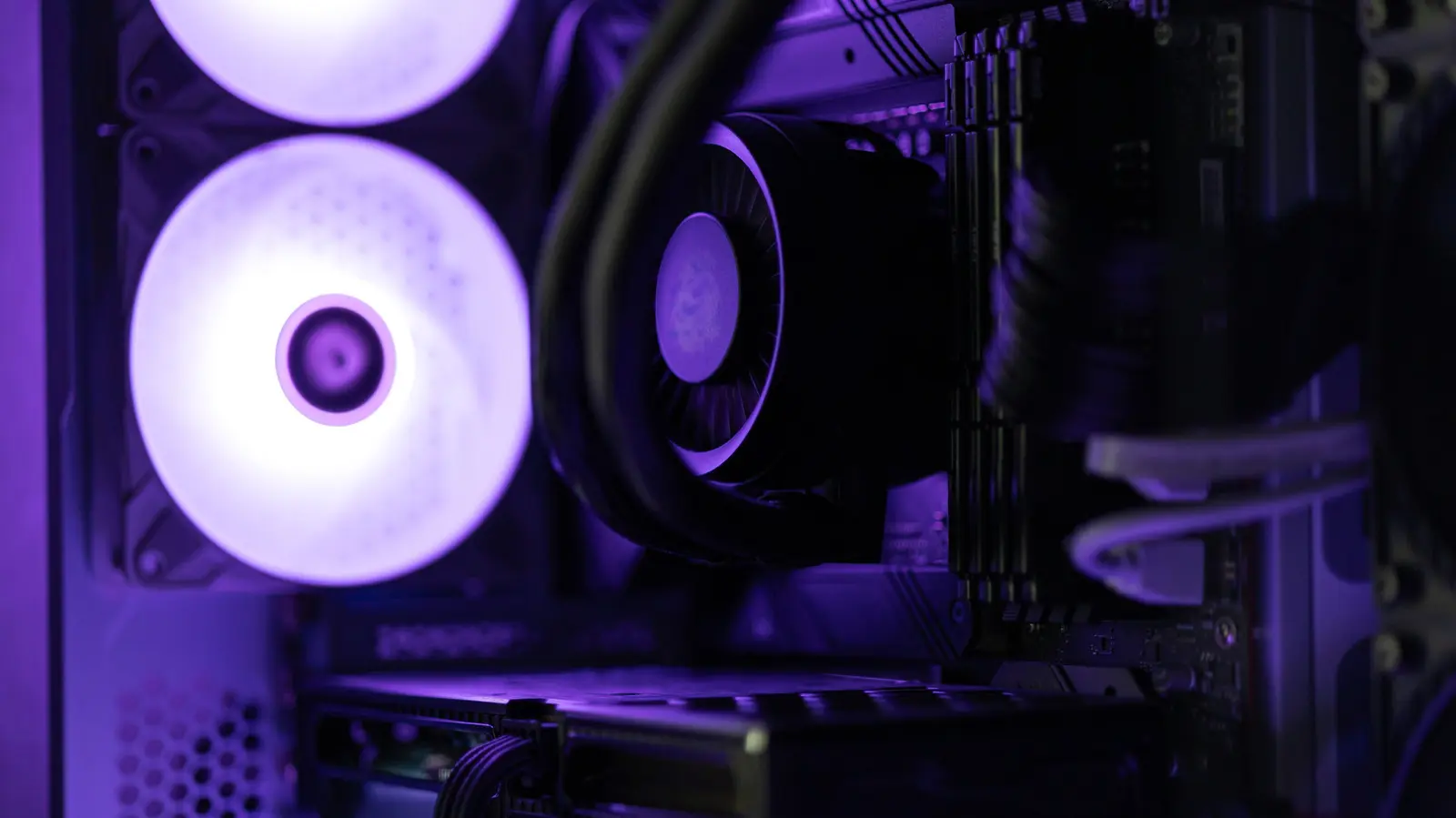
The Diminishing Returns of Overclocking
A new wave of processors has made the once‑popular practice of CPU overclocking less appealing. Engineers and hobbyists are finding that the performance gains from pushing chips beyond their rated speeds are minimal compared to the effort and risk involved.
Latest news
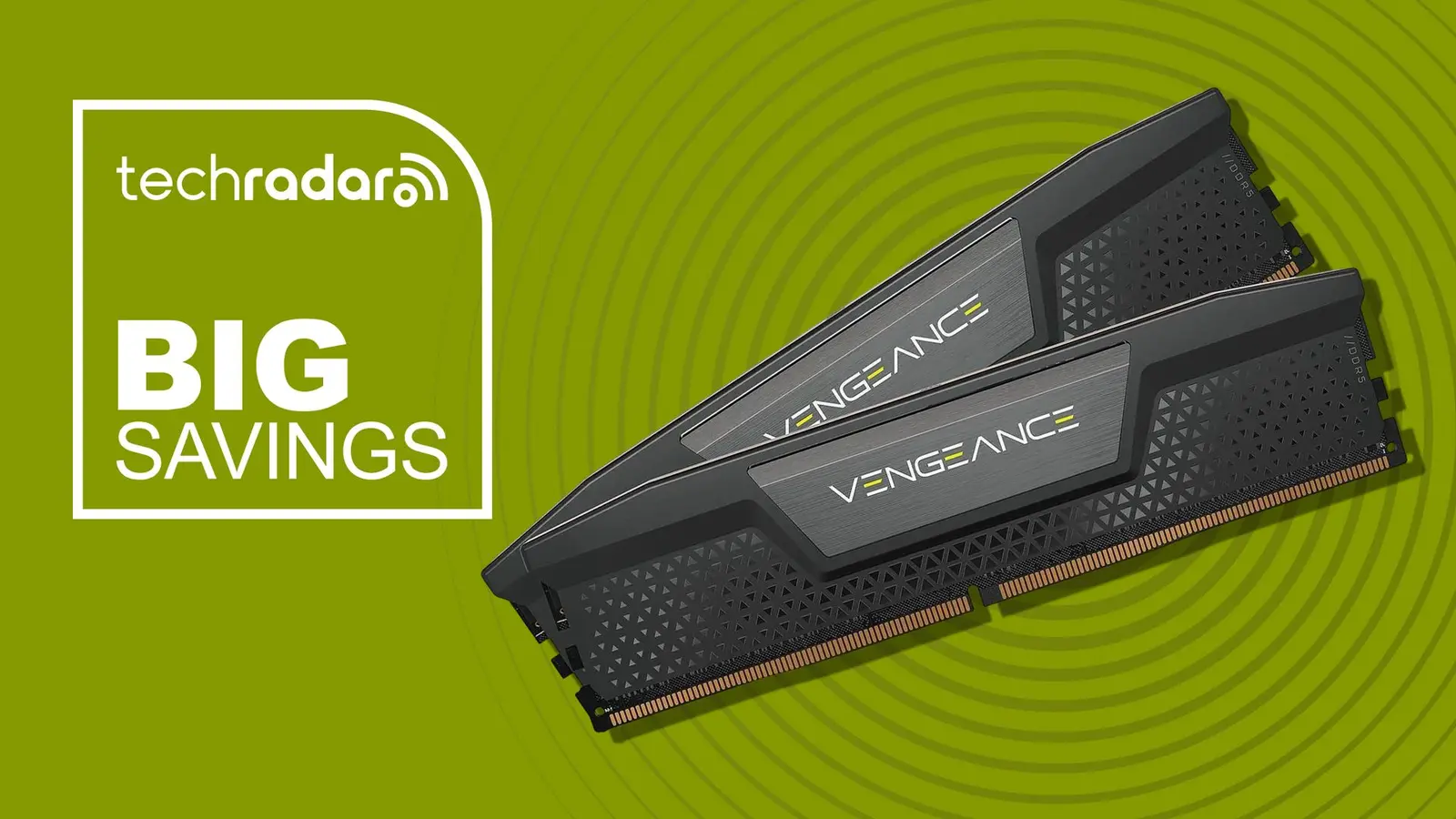 Corsair Vengeance DDR5-6000 Kit Offers Ideal Speed for AMD Builds
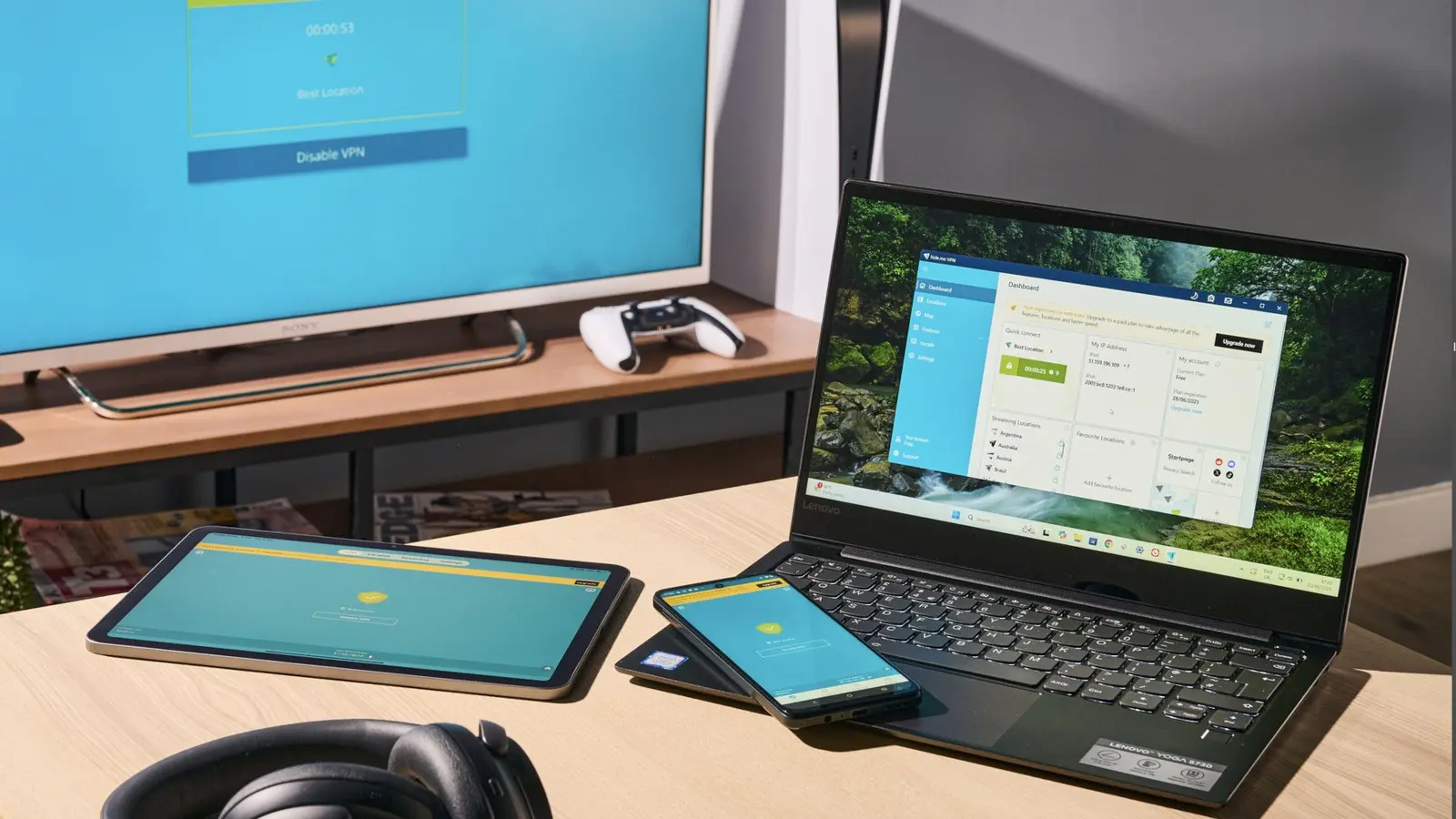 Hide.me VPN releases major Android update
 Hackers launch massive PHP2Shell attack wave
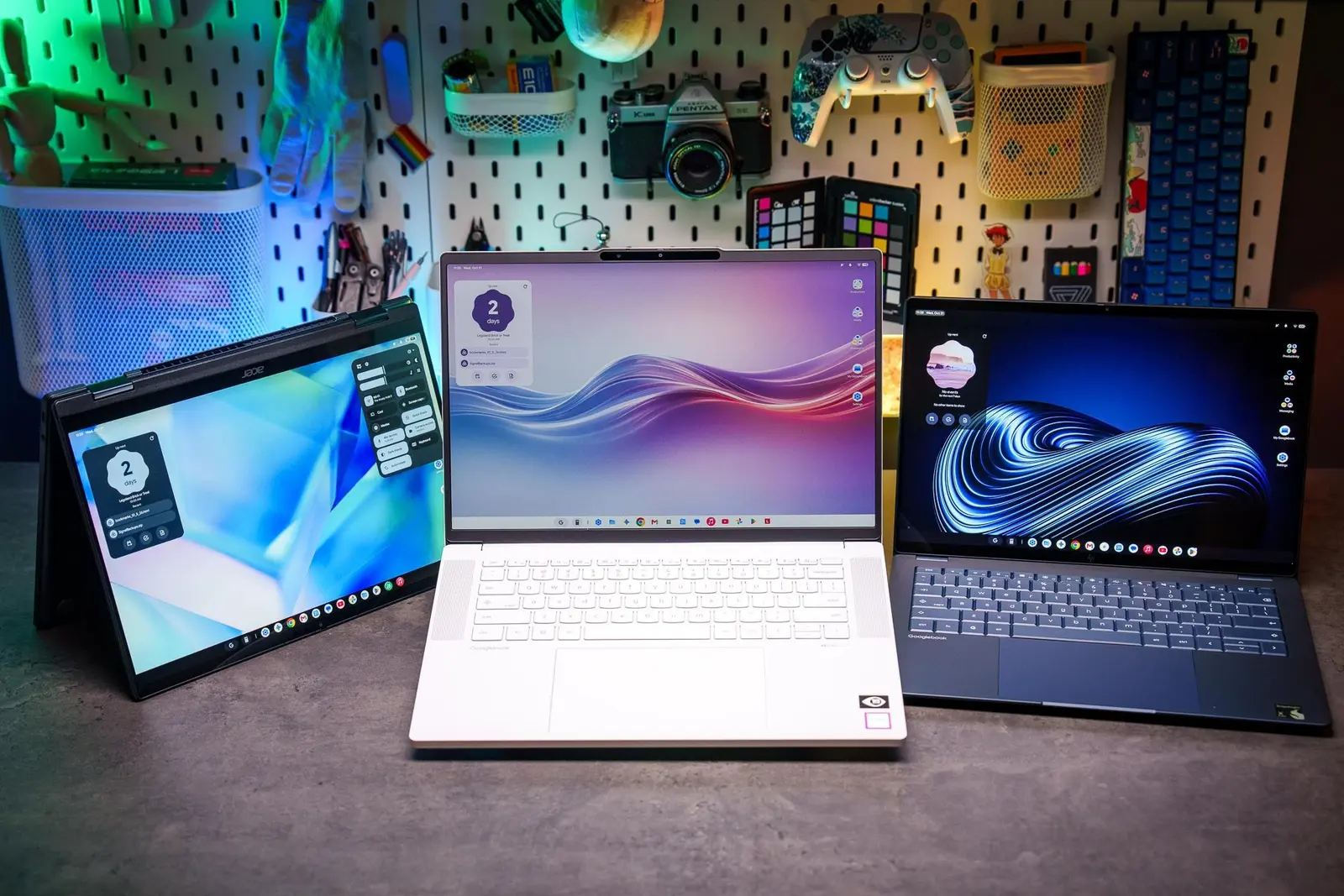 Googlebooks are not yet ready for prime time
Manufacturers now deliver chips that run near their peak performance out of the box. The latest generation of CPUs offers higher clock rates, larger caches, and more efficient power usage, reducing the need for manual tweaking. Users who once relied on overclocking to squeeze extra speed from their systems are discovering that the incremental boost is often outweighed by increased heat, power draw, and potential instability.
Is Overclocking Still Worth It for Enthusiasts?
Recent benchmarks show that modern processors achieve only a few percentage points of improvement when overclocked. For example, a flagship desktop CPU might see a 5–8 % jump in single‑thread performance, while multi‑thread gains are even smaller. These modest gains are dwarfed by the thermal and power penalties that accompany higher frequencies. In many cases, the extra heat forces users to upgrade cooling solutions, which adds cost and complexity.
Engineers explain that architectural advances—such as improved instruction pipelines, better branch prediction, and higher baseline clock speeds—have closed the performance gap that once existed between stock and overclocked chips. As a result, the marginal benefit of pushing a CPU beyond its rated speed has shrunk dramatically.
Frequently Asked Questions
Some enthusiasts argue that overclocking remains a valuable hobby. It allows them to experiment with voltage and frequency settings, learn about silicon limits, and enjoy the thrill of pushing hardware to its edge. However, the practical benefits for most users are limited. For gamers, the difference between a stock and an overclocked CPU is often imperceptible in real‑world titles. For professionals, the risk of instability can outweigh the small performance edge.
Industry analysts predict that the overclocking market will continue to decline. Retailers are shifting focus toward ready‑to‑use systems that deliver peak performance without user intervention. As a result, the community that once thrived on tweaking and testing will likely shrink, leaving overclocking as a niche pastime rather than a mainstream practice.
Comments
Leave a comment