
The Importance of GPU Performance Tuning
A recent discovery revealed that a minor undervolt could help a GPU reach its intended boost clock speeds. This finding emerged after a tech enthusiast examined his graphics card's performance. The enthusiast, who has a background in marketing and PC building, noticed that his GPU was not performing as expected. After investigating various settings and configurations, he found that a slight undervolt was the key to unlocking better performance. This adjustment allowed the GPU to operate more efficiently, ultimately achieving its boost clock without the need for extensive modifications.
Latest news
 Anthropic Unveils Claude Duet For Background AI Tasks
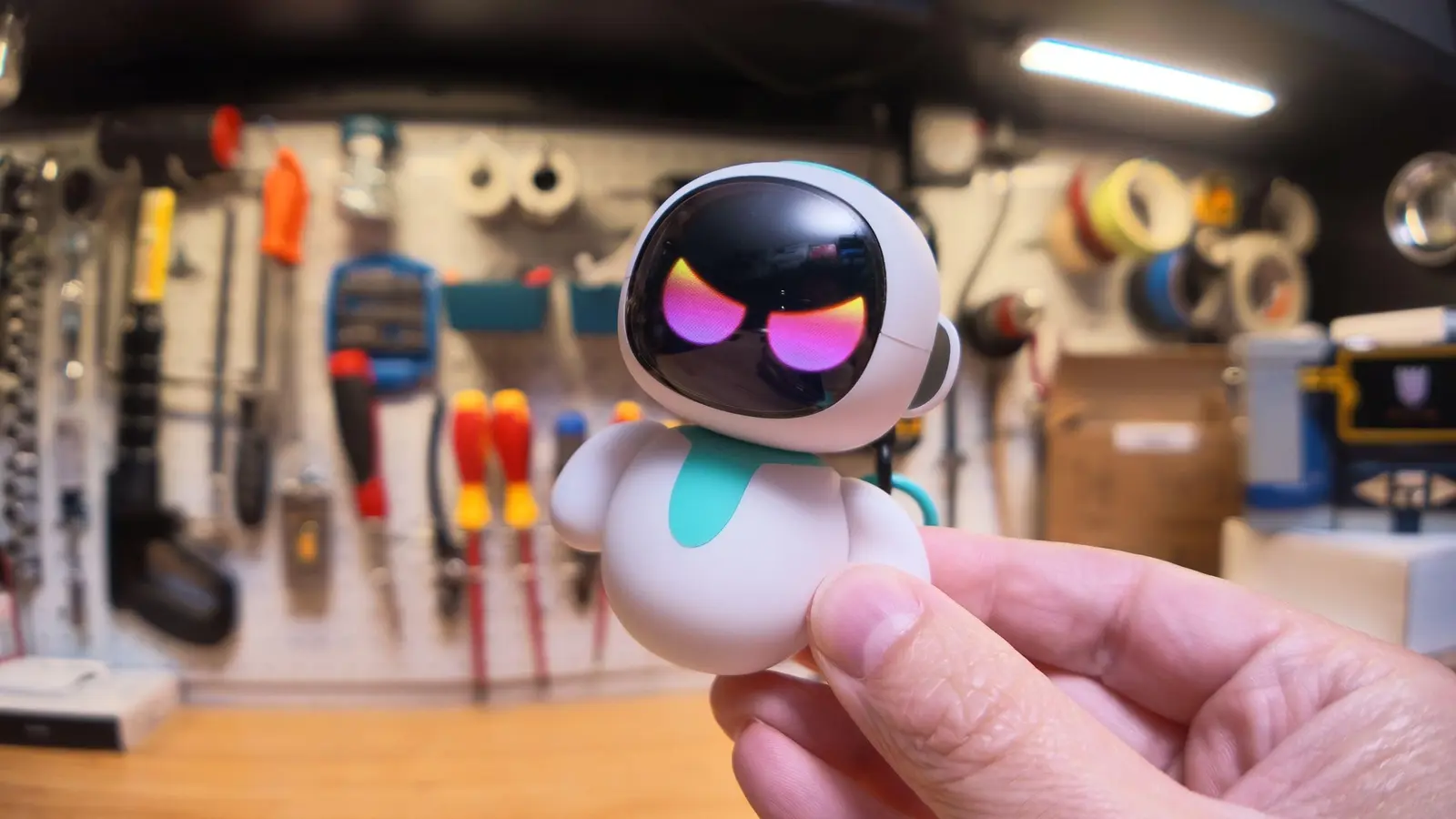 Eiliko Creator Hires Independent Security Firm After Flawy Robot Charm Exposed
 Musk Compares Optimus Robot Training to Raising a Toddler
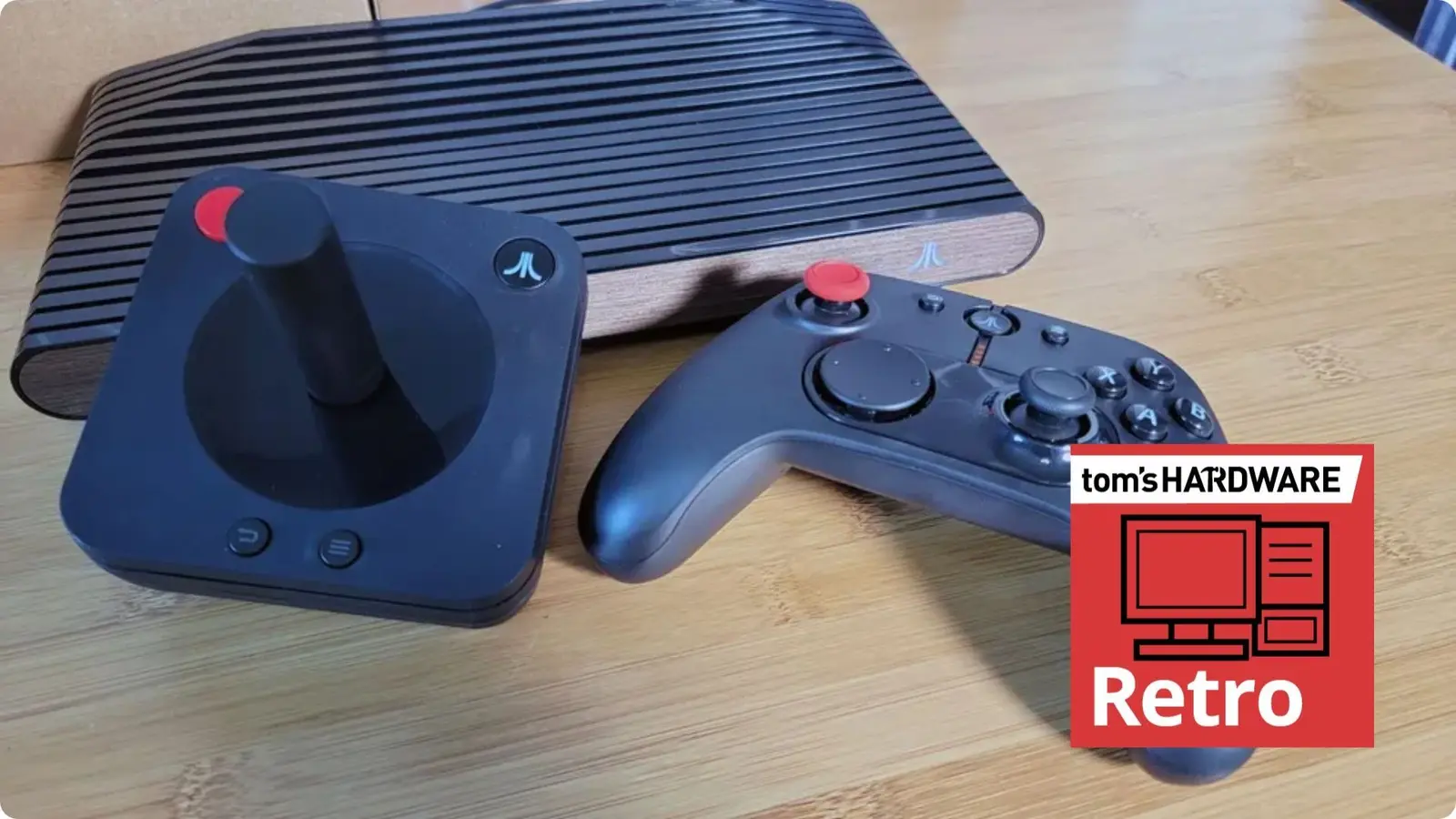 Atari VCS Software Store Closes in February 2027
In the world of PC gaming and high-performance computing, maximizing GPU performance is crucial. Many users invest heavily in graphics cards to ensure smooth gameplay and efficient rendering. However, even high-end models can fall short of their potential due to improper settings. The enthusiast's experience highlights the importance of tuning hardware for optimal performance.
Undervolting is a process where the voltage supplied to the GPU is reduced. This can lead to lower temperatures and power consumption while maintaining or improving performance. The enthusiast's findings suggest that many users may overlook simple tweaks that can enhance their systems significantly.
How Can You Optimize Your GPU Performance?
For those looking to improve their GPU's performance, the process can be straightforward. First, users should monitor their current clock speeds and temperatures using software tools. Once they have a baseline, they can experiment with undervolting settings. This involves adjusting the voltage levels in a safe manner to find the sweet spot that maximizes performance without causing instability.
The enthusiast's experience serves as a reminder that even small adjustments can lead to significant improvements. By taking the time to understand and tweak their systems, users can unlock the full potential of their hardware.
In conclusion, as technology continues to evolve, so too does the need for users to stay informed about their hardware. Simple adjustments like undervolting can lead to better performance and efficiency, making it worth exploring for any PC enthusiast.
Frequently Asked Questions
What is undervolting? Undervolting is the process of reducing the voltage supplied to a GPU, which can help lower temperatures and power consumption while enhancing performance.
How do I know if my GPU is underperforming? You can monitor your GPU's clock speeds and temperatures using various software tools. If the performance is below expectations or if temperatures are high, it may be time to adjust settings.
Is undervolting safe for my GPU? Yes, when done correctly, undervolting is generally safe and can improve your GPU's efficiency and lifespan. Always make gradual adjustments and monitor performance closely.
Comments
Leave a comment