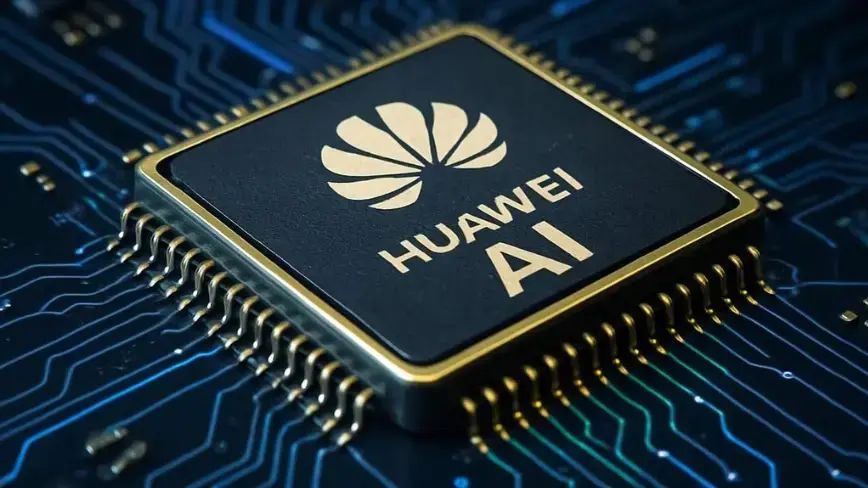
The Silicon Ceiling Dilemma
A senior Huawei researcher recently warned that Nvidia is rapidly approaching a critical physical barrier in semiconductor performance. This prediction suggests that the current trajectory of chip design will soon collide with fundamental material constraints. The assessment highlights a growing industry-wide challenge regarding the future of high-speed silicon processing power.
Latest news
 Anker Unveils Playful 45W Charger With Animated Face Display
 Google Docs Web Version Still Missing Native Dark Mode
 Anthropic-Linked Vulnerability Exploited From China, Targets US and Japan
 Text‑Based AI Agents: Your New Digital Assistants
The warning stems from the observation that traditional silicon-based architectures are reaching their maximum potential. As chipmakers push for smaller transistors and higher density, they encounter heat and efficiency issues that are difficult to overcome. Huawei suggests that this development plateau is not unique to any single company but represents a systemic shift for the entire global technology sector.
Industry experts have long debated the limitations of Moore’s Law, which posits that transistor counts double every two years. Huawei’s perspective indicates that the industry is hitting a hard wall where further miniaturization yields diminishing returns. This physical limit forces engineers to rethink how computing power is scaled beyond traditional silicon methods.
Can Innovation Bypass Physical Constraints?
Nvidia currently dominates the market for artificial intelligence hardware, fueled by massive demand for high-performance chips. However, the reliance on existing manufacturing processes may soon lead to a stagnation in performance gains. If the physical properties of silicon can no longer support faster speeds, the company will need to pivot toward entirely new material architectures.
The shift in focus marks a departure from purely increasing speed toward improving overall system efficiency. Future breakthroughs may rely on packaging technologies or alternative materials that bypass current thermal limitations. Whether Nvidia can maintain its market lead while navigating these physical realities remains a central question for investors and engineers alike.
Frequently Asked Questions
The long-term consequence of this wall is a fundamental change in how technology companies compete. Instead of relying on raw processing power, the industry may soon prioritize specialized architectures tailored to specific tasks. This transition period will likely redefine the landscape of high-performance computing over the coming decade.
What is the primary concern raised by the Huawei researcher? The concern is that Nvidia will soon reach a physical performance limit inherent to current silicon-based chip manufacturing. This wall suggests that traditional methods of increasing power are becoming unsustainable.
How will this impact the future of chip manufacturing? Companies will likely shift their focus from simple miniaturization to more complex architectural innovations. This transition may involve exploring new materials or advanced packaging techniques to sustain performance growth.
Comments
Leave a comment