Supply Chain Squeeze Hits Physical Cartridges
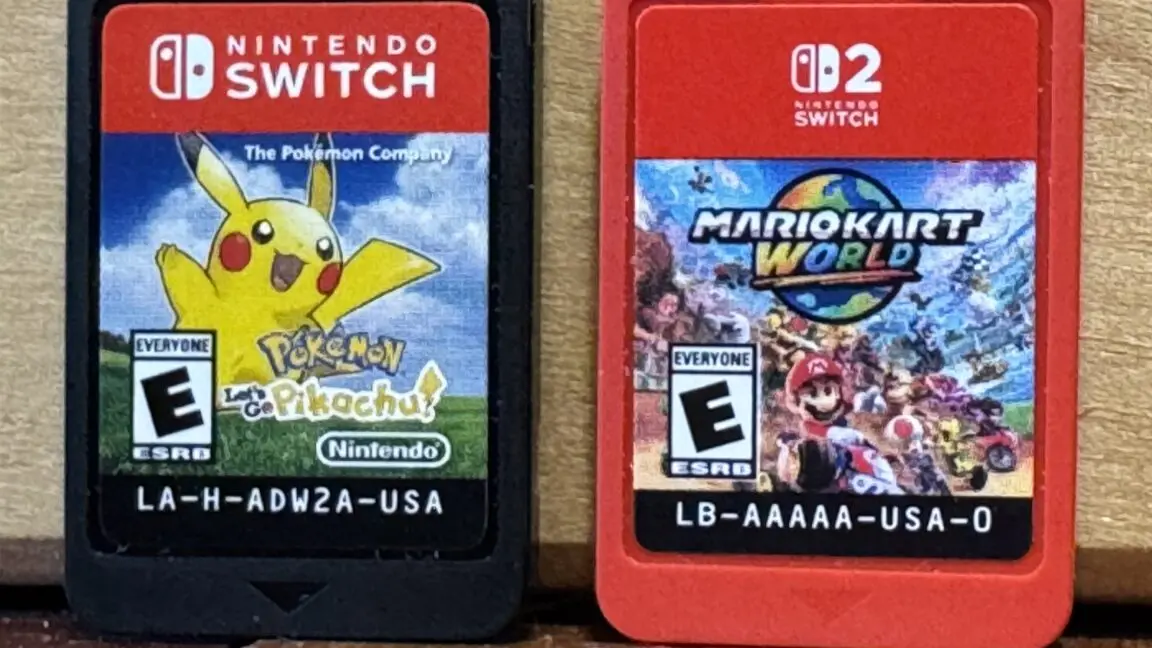
Chipmaker Macronix has officially exited the ROM chip market, a move that directly impacts the supply chain for physical Nintendo Switch and Switch 2 game cartridges. The decision follows a prolonged period of tight supply conditions driven by broader industry shifts. This exit removes a key supplier from the ecosystem, forcing manufacturers to seek alternative sources for the memory components embedded in game cases.
Latest news
 Smart TVs frequently lose their Wi-Fi connection, leaving viewers staring at a spinning loading icon
 Why Ignoring Car Software Updates Is Risky
 Apple's foldable iPhone Duo introduces dual-display multitasking capabilities
 FCC Weighs Reciprocal Limits on Foreign Satellite Firms
The timing is critical. The AI boom has triggered a global shortage of memory and storage hardware. Demand for RAM, SSDs, and GPUs has surged, causing price spikes across the tech sector. These shortages have now cascaded into the console gaming world. ROM chips, which store game data on physical cartridges, are no exception. Macronix’s departure exacerbates an already strained market.
Physical game production relies on stable component availability. When a major supplier pulls out, manufacturers must scramble to find replacements. This often leads to longer lead times and higher unit costs. For Nintendo, this means potential delays in restocking physical titles. Retailers may face empty shelves for popular games. The cost impact could eventually be passed on to consumers.
Will Switch Game Prices Rise?
The broader tech market context is crucial here. AI data centers are consuming massive quantities of memory chips. This diverts production capacity away from consumer electronics. As a result, components for gaming hardware become scarcer and more expensive. Macronix’s exit is a symptom of this larger trend. It signals that the memory market remains under intense pressure.
Analysts warn that physical Switch game prices may increase. If ROM chip costs climb, game publishers face higher production expenses. These costs often translate to higher retail prices for consumers. Nintendo may also face challenges in maintaining consistent stock levels. Shoppers should expect potential price adjustments in the coming months.
Frequently Asked Questions
Why is Macronix leaving the ROM chip business? Macronix is exiting due to the broader memory shortage driven by AI demand. The company is likely pivoting to higher-margin products or consolidating its operations. This exit reduces competition in the ROM chip market.
How does this affect Switch game availability? With fewer suppliers, physical cartridge production may slow down. Retailers could experience stockouts for popular titles. Consumers might notice longer wait times for new releases.
Will the price of physical games go up? Higher component costs often lead to increased retail prices. Publishers may raise prices to cover the higher cost of ROM chips. Shoppers should budget for potential price hikes on new Switch titles.
Comments
Leave a comment