The Disappearing Act of Celestial and Druid
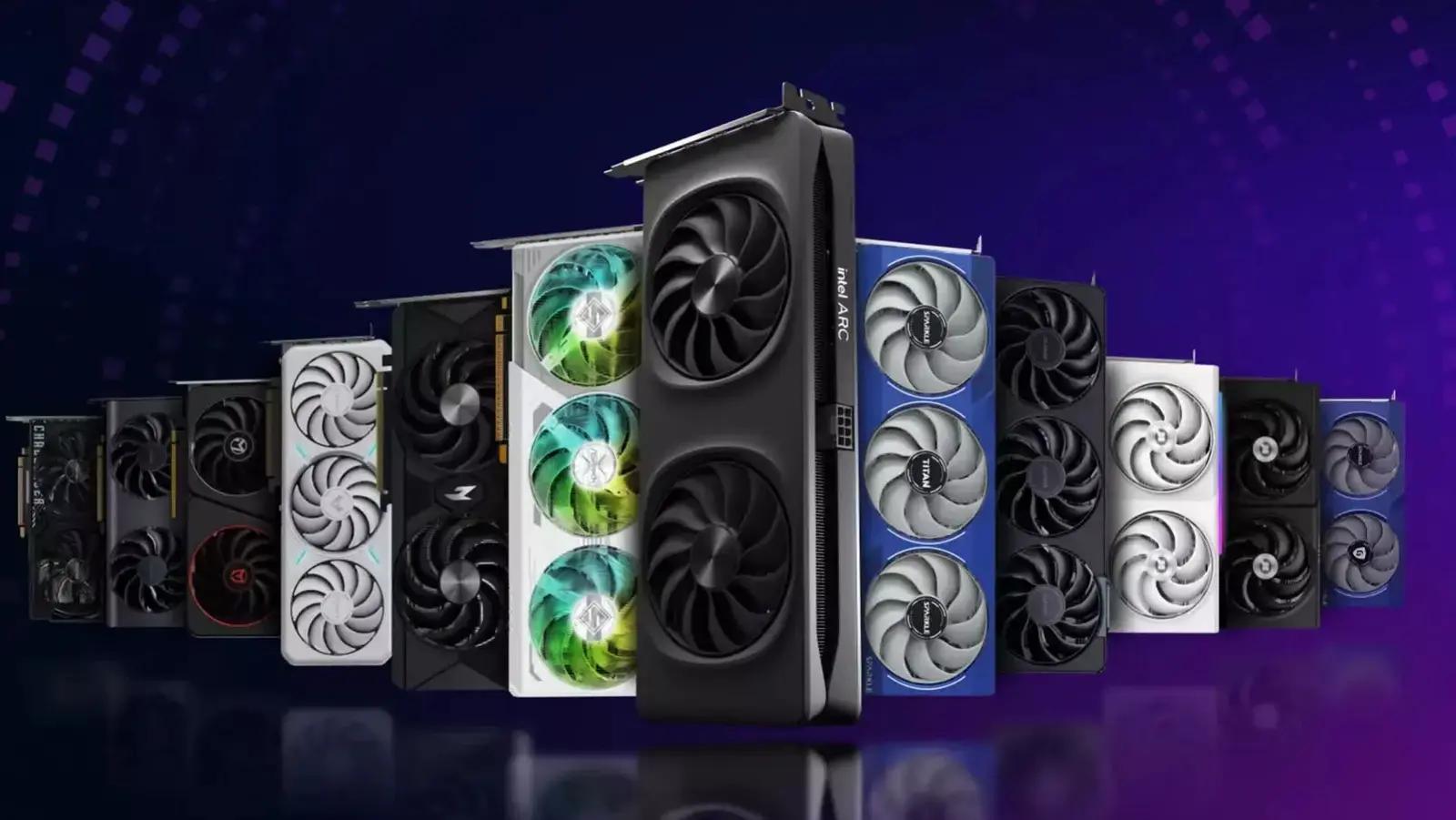
Four years after Intel entered the dedicated graphics market to challenge industry giants, the future of its Arc GPU lineup appears increasingly uncertain. The initial Alchemist series delivered impressive budget-friendly performance for high-definition gaming, marking a bold diversification strategy for the legendary processor manufacturer.
Latest news
 Anker Unveils Playful 45W Charger With Animated Face Display
 Google Docs Web Version Still Missing Native Dark Mode
 Anthropic-Linked Vulnerability Exploited From China, Targets US and Japan
 Text‑Based AI Agents: Your New Digital Assistants
Intel initially captured consumer interest by offering strong price-to-performance value, particularly for standard 1080p and 1440p gaming setups. This strategy allowed the company to establish a foothold against established competitors like Nvidia and AMD.
Industry observers are growing increasingly concerned as subsequent architectural rollouts remain shrouded in mystery. The highly anticipated Celestial generation is currently missing in action, while the timeline for the eventual Druid architecture remains entirely unclear to the public.
Can Team Blue Regain Lost Momentum?
This silence leaves the momentum of Team Blue's graphics division hanging in the balance, despite the initial success of their budget-friendly hardware releases. Without transparent communication regarding upcoming hardware generations, consumers and industry partners struggle to plan their future hardware investments around Intel's graphics ecosystem.
Overcoming the dominance of entrenched market leaders requires consistent product delivery and robust software support, areas where Intel previously showed rapid improvement. Software optimization remains critical for extracting maximum performance from modern graphics hardware, giving Intel a vital path forward if they choose to aggressively pursue market share.
Frequently Asked Questions
The ultimate fate of Intel Arc graphics depends heavily on executive commitment to the hardware division and aggressive engineering execution in the coming months. If leadership maintains its long-term vision, a strategic resurgence remains possible, potentially reshaping the competitive landscape of the consumer graphics market.
What was the first Intel Arc graphics generation called? The initial lineup was named Alchemist, launching over four years ago with a strong focus on affordable price-to-performance value.
How did the first Intel Arc cards perform? The A-series successfully impressed consumers by delivering reliable and budget-friendly performance for 1080p and 1440p gaming setups.
Comments
Leave a comment