AI‑Crafted Antigen: A New Frontier in Immunology
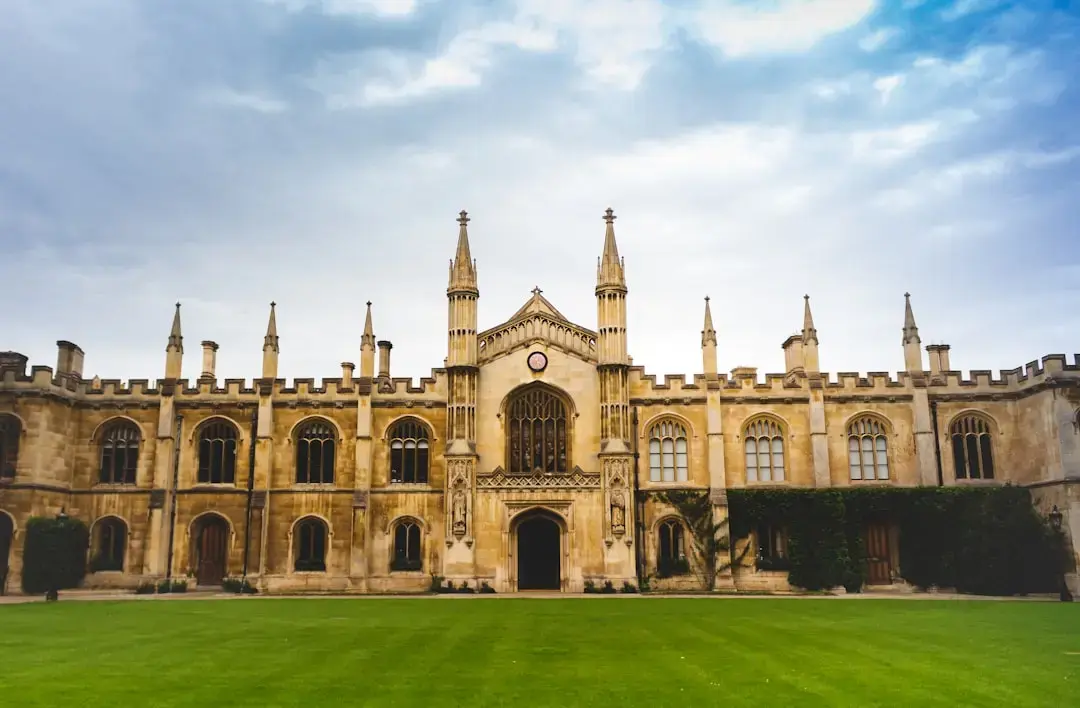
Researchers at the University of Cambridge announced on June 5, 2026 that they have produced a vaccine whose key ingredient was fully designed by artificial intelligence. The experimental dose has entered Phase 1 trials, marking the first time an AI‑crafted element has been tested in people.
Latest news
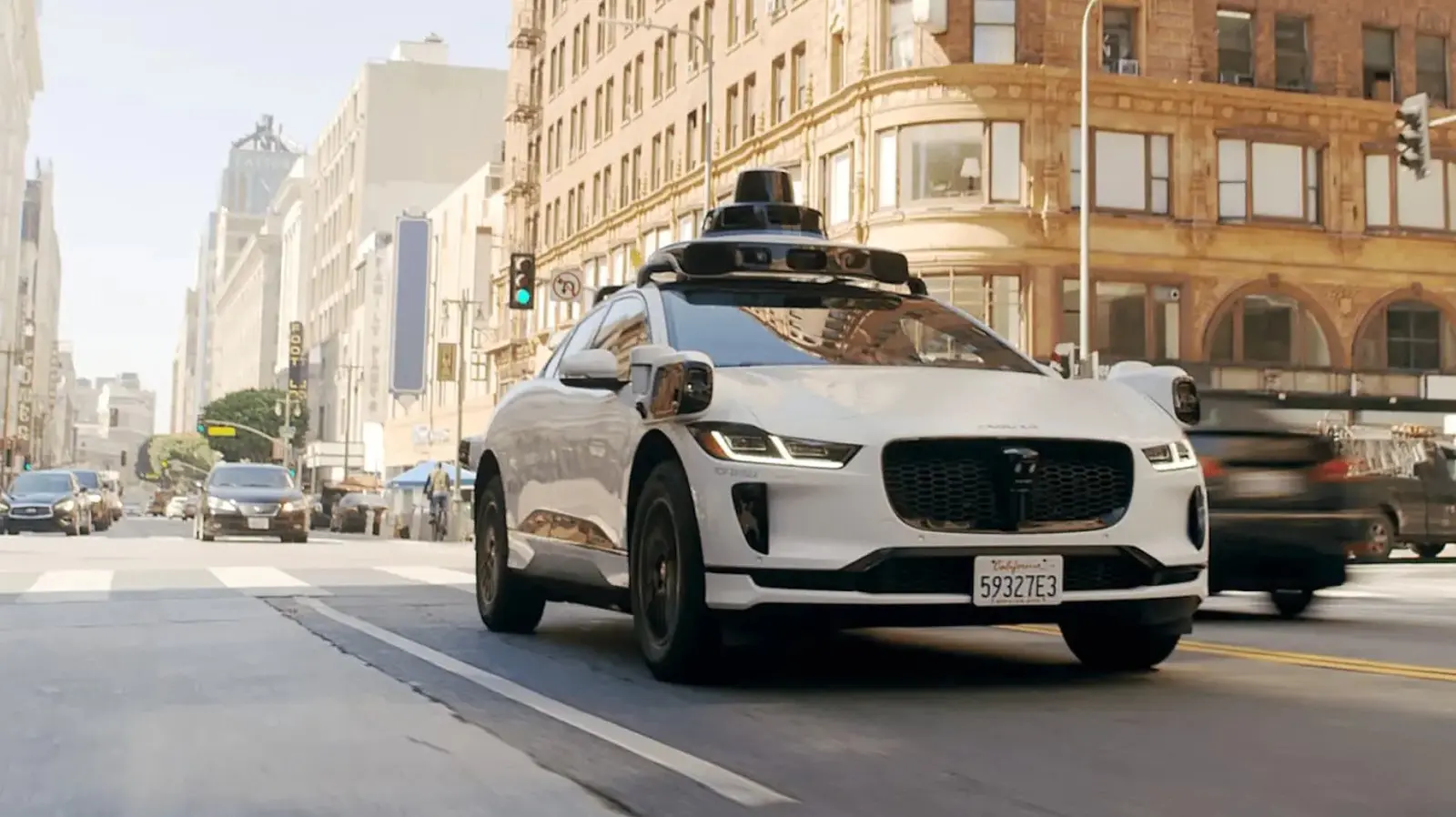 California Imposes Penalties for Robotaxis Obstructing Emergency Services
 Meta’s AI Agent Muse Builds Comprehensive Dossiers on Close Contacts
 The State of Cybersecurity in 2026: Key Segments, Insights, and Innovations
 Why the Rumored iPhone Duo Excites Android Foldable Fans
The team used a deep‑learning platform to model a novel protein antigen that mimics a target pathogen’s surface. Traditional methods would have required months of laboratory work; the AI generated viable candidates in weeks. Researchers say the approach could shorten development cycles and improve precision. Funding came from a mix of public grants and biotech investors eager to explore AI‑driven therapeutics.
The AI system evaluated millions of protein structures, selecting a sequence predicted to trigger a strong immune response while remaining stable in vaccine formulations. Laboratory tests showed the antigen bound tightly to immune cells, prompting robust antibody production in animal models. Lead scientist Dr. Eleanor Shaw described the result as „a proof‑of‑concept that machine‑generated designs can meet, and sometimes exceed, human expectations.” The component is being combined with a standard adjuvant to form the final vaccine candidate.
Can AI‑Designed Vaccines Accelerate Future Outbreak Responses?
Experts argue that AI could dramatically compress the timeline from pathogen discovery to vaccine rollout. By automating antigen design, researchers can respond to emerging threats without waiting for extensive trial‑and‑error experiments. However, regulatory pathways for AI‑generated biologics remain uncertain, and safety assessments must keep pace with rapid development. If the current trial proceeds without major setbacks, the technology may become a staple in pandemic preparedness strategies.
Successful human trials would validate AI as a reliable partner in vaccine engineering, potentially reshaping the pharmaceutical landscape. The Cambridge team plans to publish detailed data later this year and to explore AI‑designed components for other infectious diseases. Their work signals a shift toward computational biology, where algorithms augment human ingenuity to tackle global health challenges.
Frequently Asked Questions
What part of the vaccine was designed by AI? The antigen—a protein that mimics the pathogen’s surface—was generated entirely by a deep‑learning algorithm, which predicted its structure and immunogenic properties.
How does the AI design differ from traditional methods? Traditional design relies on iterative lab experiments and expert intuition; the AI scans vast molecular libraries in silico, identifying candidates in days rather than months.
When could AI‑designed vaccines reach the market? If Phase 1 and subsequent trials confirm safety and efficacy, regulatory approval could follow within a few years, especially for diseases with urgent unmet needs.
Comments
Leave a comment