
Revolutionizing Safety Testing with Technology
BMW has announced a new initiative to utilize artificial intelligence in crash testing simulations. This innovative approach aims to enhance vehicle safety and improve the efficiency of the testing process. The rollout is expected to take place in the coming months as part of BMW's commitment to advanced automotive technology.
Latest news
 Anthropic Unveils Claude Duet For Background AI Tasks
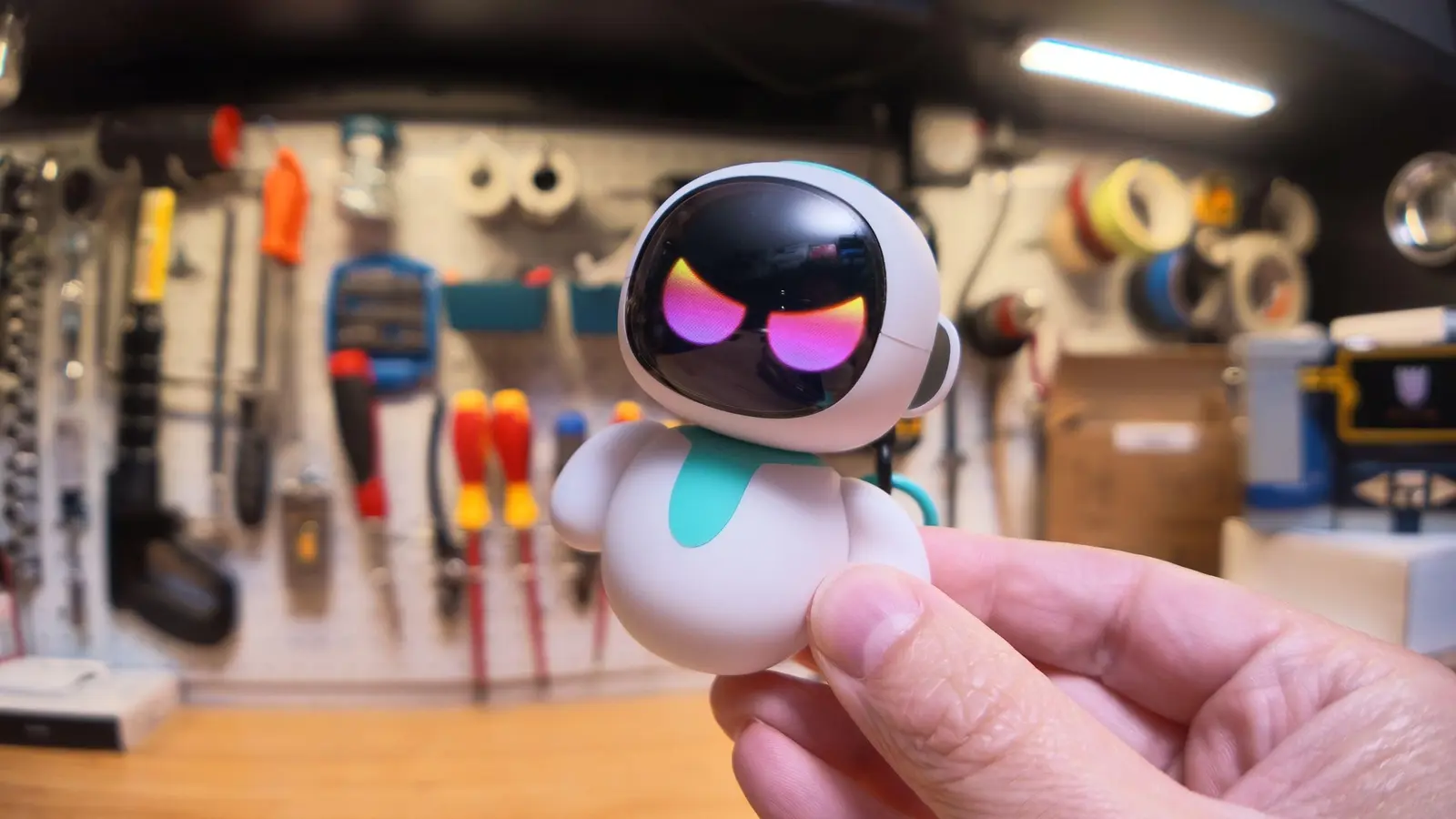 Eiliko Creator Hires Independent Security Firm After Flawy Robot Charm Exposed
 Musk Compares Optimus Robot Training to Raising a Toddler
 Atari VCS Software Store Closes in February 2027
The integration of AI into crash testing allows for more accurate simulations of real-world scenarios. By analyzing vast amounts of data, AI can predict how vehicles will perform in various crash situations. This technology not only streamlines the testing process but also helps engineers identify potential safety issues earlier in the design phase. The use of AI represents a significant step forward in automotive safety standards.
BMW's decision to adopt AI for crash simulations comes at a time when vehicle safety is more critical than ever. Traditional crash testing can be time-consuming and costly, often requiring multiple physical tests. By leveraging AI, BMW aims to reduce the need for extensive physical testing, thereby saving time and resources. This technology can simulate numerous crash scenarios quickly, allowing for rapid adjustments to vehicle designs.
How Will AI Change the Future of Crash Testing?
The automaker's engineers are excited about the potential of AI to enhance their work. By using advanced algorithms, they can simulate complex crash dynamics that would be difficult to replicate in a lab setting. This means that safety features can be optimized before a vehicle even hits the production line. As a result, consumers can expect safer vehicles that meet or exceed regulatory standards.
The introduction of AI in crash testing raises questions about its broader implications for the automotive industry. Will other manufacturers follow BMW's lead? As the technology proves effective, it could set a new standard for safety testing across the industry. This shift could lead to more innovative safety features and ultimately save lives on the road.
Moreover, the use of AI could accelerate the development of electric and autonomous vehicles. As these technologies become more prevalent, the need for rigorous testing will grow. AI can help manufacturers keep pace with the evolving landscape of automotive safety.
In conclusion, BMW's integration of AI into crash testing marks a pivotal moment in automotive safety. This advancement not only promises to enhance vehicle safety but also streamline the testing process. As the industry embraces this technology, we may see a significant reduction in road accidents and fatalities.
Frequently Asked Questions
How does AI improve crash testing? AI enhances crash testing by simulating various scenarios quickly and accurately. This allows engineers to identify safety issues early in the design process.
What impact will this have on vehicle safety? By optimizing safety features before production, AI can lead to the development of safer vehicles, potentially reducing accidents and saving lives.
Will other car manufacturers adopt similar technology? As AI in crash testing proves effective, it is likely that other manufacturers will follow suit to improve their safety standards and testing efficiency.
Comments
Leave a comment