
Can Automation Keep Up with SoC Complexity?
Modern chip design is no longer just about packing in more processing power. As systems-on-chip (SoCs) grow in complexity, the real challenge lies in assembling the various components into a cohesive whole. This is particularly true for AI-driven designs.
Latest news
 Anthropic Unveils Claude Duet For Background AI Tasks
 Eiliko Creator Hires Independent Security Firm After Flawy Robot Charm Exposed
 Musk Compares Optimus Robot Training to Raising a Toddler
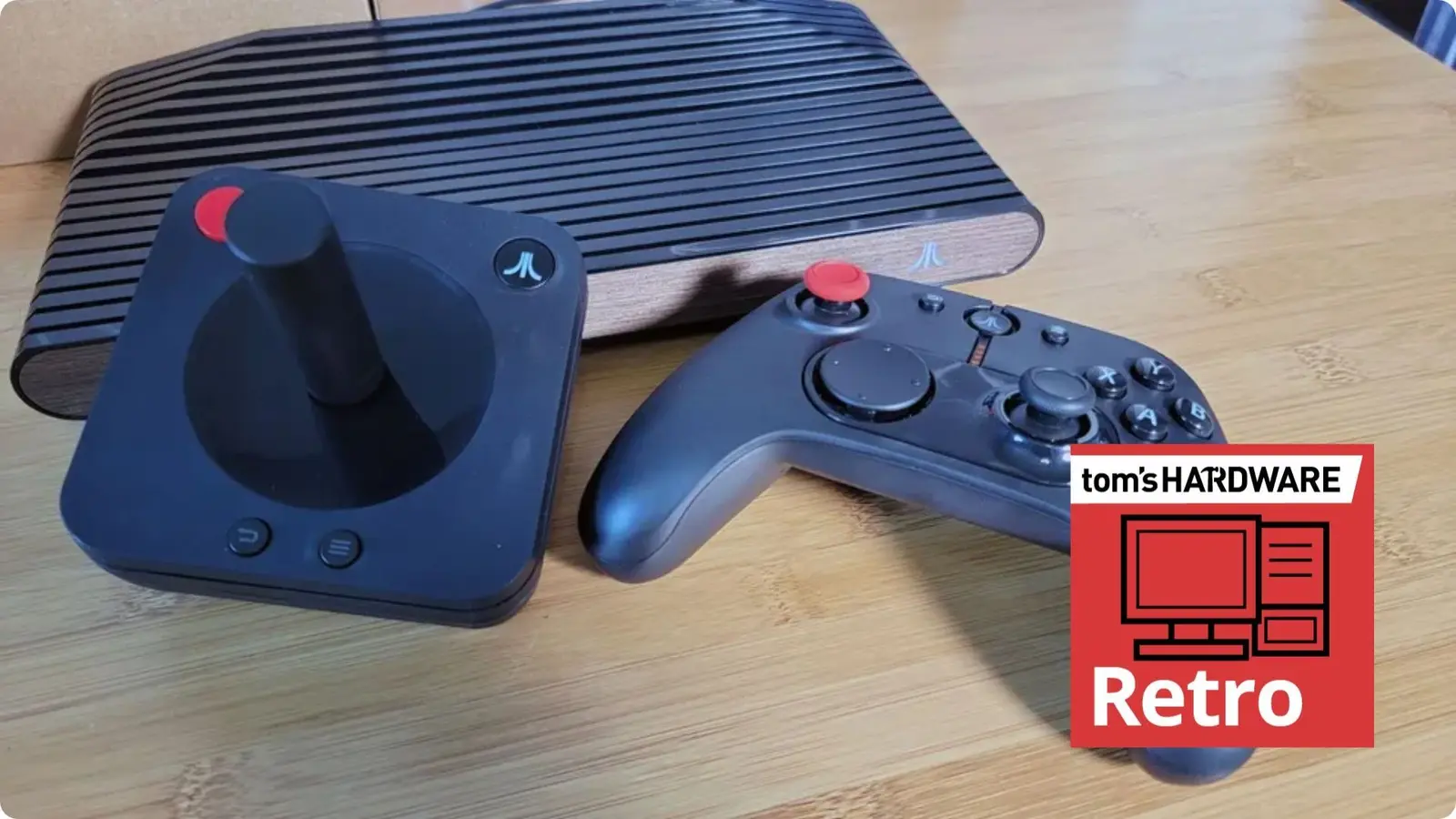 Atari VCS Software Store Closes in February 2027
The increasing complexity of SoCs, with hundreds or thousands of IP blocks from various sources, has made connectivity, configuration, and validation a major hurdle. Automating these processes and establishing a single source of truth is crucial to accelerating SoC assembly.
As SoCs become more intricate, manual integration methods are no longer viable. Automating connectivity and configuration helps to streamline the process, reducing the risk of errors and inconsistencies. By establishing a single source of truth, designers can ensure that all components are properly connected and configured.
Managing the Complexity of Heterogeneous Designs
This approach enables designers to focus on higher-level tasks, such as optimizing performance and power consumption. With a unified view of the system, designers can identify potential issues earlier in the development cycle, reducing the need for costly rework.
The growing use of heterogeneous IP blocks, including internal, third-party, and reusable components, adds to the complexity of SoC design. Effective integration requires a deep understanding of the interactions between these components.
By leveraging automation and a single source of truth, designers can better manage this complexity, ensuring that their SoCs are both functional and efficient.
The consequences of failing to address these integration challenges are significant. Delays and rework can lead to increased development costs and delayed time-to-market. As SoCs continue to grow in complexity, the need for effective integration strategies will only become more pressing.
Frequently Asked Questions
What is the main challenge in modern SoC design? The main challenge is no longer just about processing power, but assembling various components into a cohesive whole.
How can designers manage the complexity of heterogeneous IP blocks? By leveraging automation and a single source of truth, designers can better manage this complexity.
What are the consequences of poor SoC integration?
Comments
Leave a comment