
Open-Source AI: Boon or Bane?
A powerful open-source AI model from China has sparked a heated debate in the tech industry, dividing it into two opposing camps. The release has reignited the discussion on whether good tech should be accessible or if foreign technology poses a threat. Nvidia CEO Jensen Huang and Jim Cramer have weighed in on the issue.
Latest news
 Corsair Vengeance DDR5-6000 Kit Offers Ideal Speed for AMD Builds
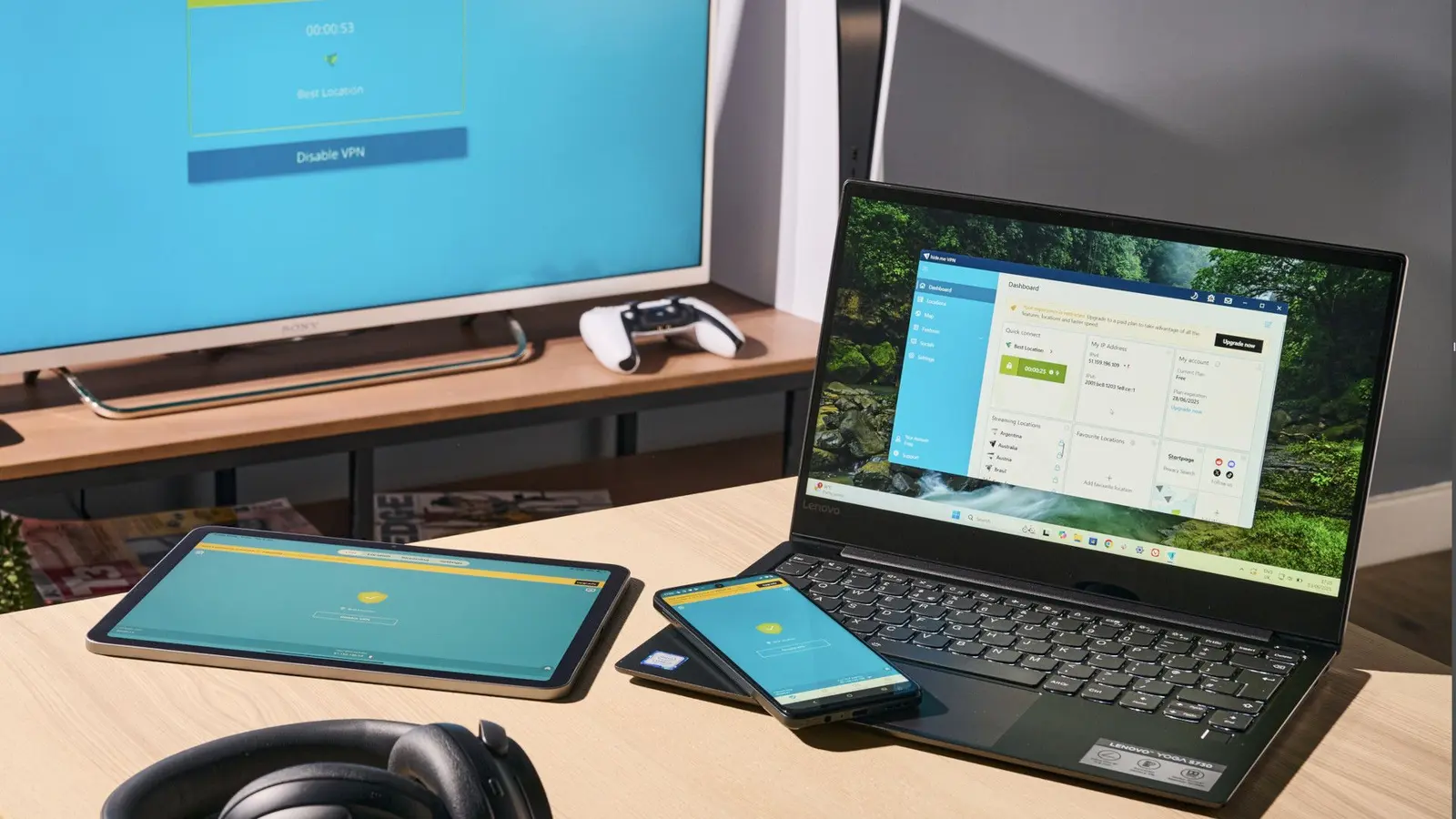 Hide.me VPN releases major Android update
 Hackers launch massive PHP2Shell attack wave
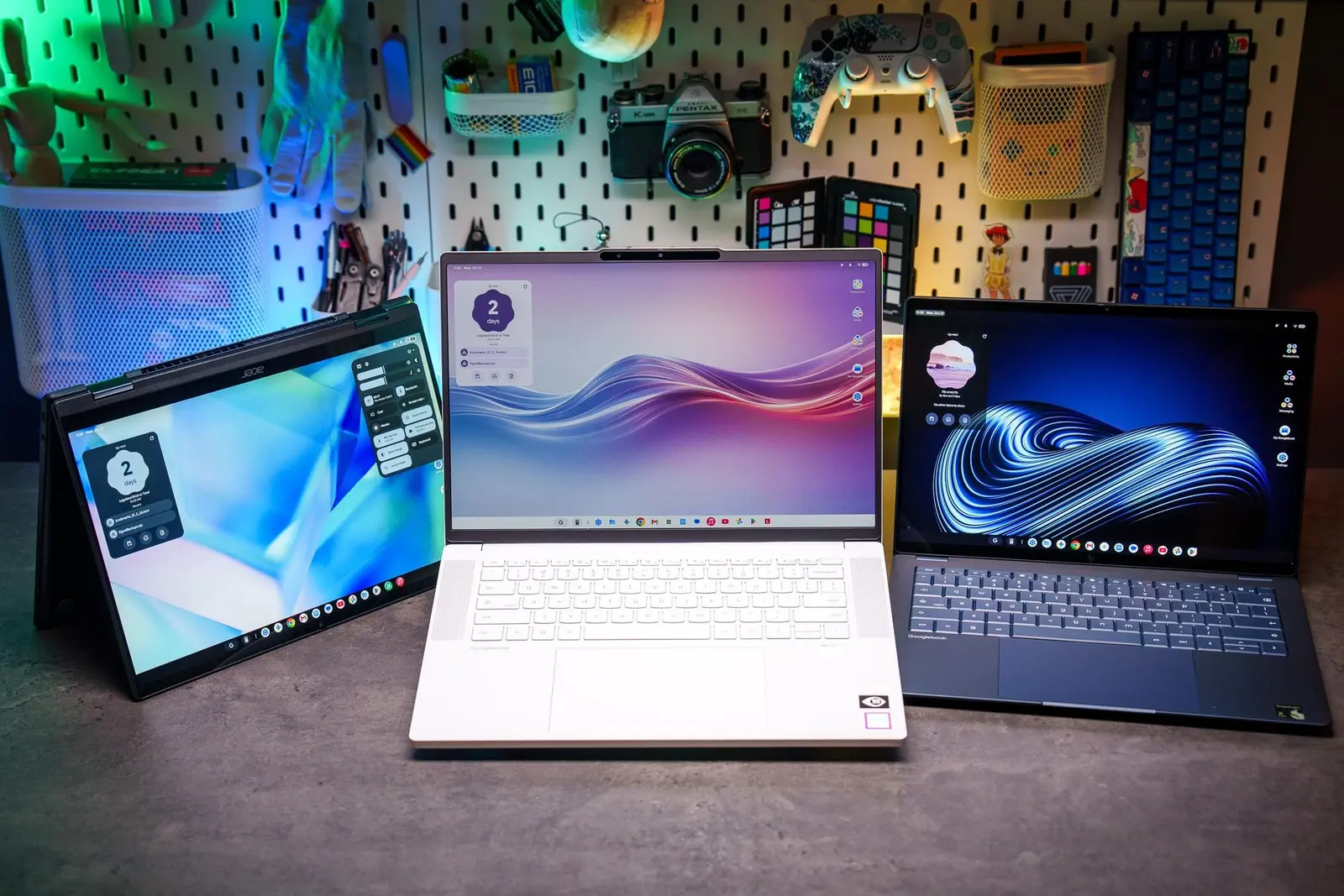 Googlebooks are not yet ready for prime time
The tech industry is torn between those who believe in making technology widely available and those who advocate for protectionism. The open-source AI model, developed by a Chinese team, has been hailed by some as a significant breakthrough, while others have raised concerns about its potential risks.
Nvidia CEO Jensen Huang has expressed his support for open-source AI, citing its potential to drive innovation and progress. In contrast, Jim Cramer, host of CNBC's Mad Money, has sounded a note of caution, warning investors about the potential risks associated with foreign technology.
Can Open-Source AI be Safely Harnesssed?
Cramer's stance has been met with skepticism by some, who point out his history of making bold predictions that have not always come to pass. Huang, on the other hand, has been a vocal advocate for the benefits of open-source technology, arguing that it can help to accelerate the development of AI.
As the debate rages on, one thing is clear: the future of AI is likely to be shaped by the outcome. If open-source AI is allowed to flourish, it could lead to significant breakthroughs in fields such as healthcare and finance.
The consequences of this debate will be far-reaching, with implications for investors, policymakers, and the tech industry as a whole. As the industry continues to evolve, it remains to be seen which vision for AI's future will ultimately prevail.
Frequently Asked Questions
What is the main issue surrounding the release of the open-source AI model? The main issue is whether the technology poses a threat or is a beneficial innovation. The debate is centered around the potential risks and benefits of making the technology widely available.
Is Jim Cramer's stance on foreign technology justified? Cramer's warnings have been met with skepticism, and some argue that his predictions are not always reliable. His stance is not universally accepted.
What are the potential consequences of allowing open-source AI to flourish? It could lead to significant breakthroughs in various fields, but also raises concerns about potential risks and threats. The outcome will have far-reaching implications for the tech industry and beyond.
Comments
Leave a comment