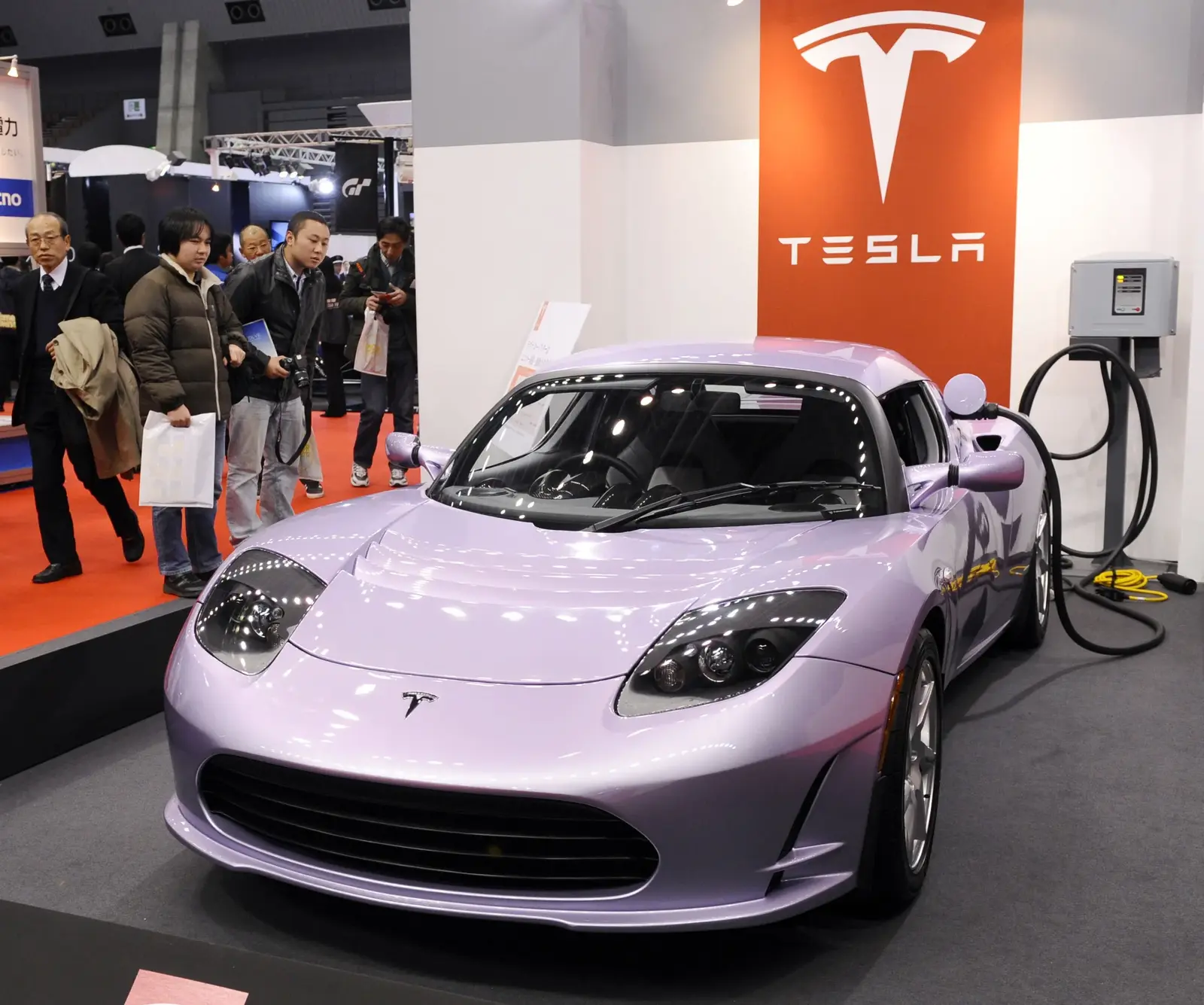
Navigating a Transformed Performance Landscape
Tesla is set to debut its highly anticipated Roadster 2 this Thursday, ending a nine-year wait since the vehicle was first announced. The electric hypercar arrives as the global automotive landscape undergoes a significant shift, forcing the company to prove that high-performance electric vehicles still hold relevance in a cooling market.
Latest news
 Corsair Vengeance DDR5-6000 Kit Offers Ideal Speed for AMD Builds
 Hide.me VPN releases major Android update
 Hackers launch massive PHP2Shell attack wave
 Googlebooks are not yet ready for prime time
The original reveal of the Roadster back in 2017 promised groundbreaking acceleration and range figures that seemed like science fiction at the time. Since then, the electric vehicle sector has matured rapidly. Consumers and investors have become increasingly skeptical of ultra-expensive, low-volume hypercars, shifting their focus toward mass-market affordability and practical daily transportation.
Tesla now faces a much more competitive environment than it did nearly a decade ago. Numerous legacy automakers and specialized startups have introduced high-performance electric models, diluting the novelty of rapid acceleration. The company must now demonstrate that the Roadster 2 offers more than just raw speed to justify its existence.
Can a Niche Hypercar Still Captivate Modern Buyers?
Engineers have spent years refining the vehicle's design and powertrain capabilities to meet modern safety and performance standards. While the initial hype centered on technical specifications, the current challenge involves convincing a wary public that a premium hypercar remains a viable flagship for the brand.
The success of this launch depends on whether Tesla can bridge the gap between luxury enthusiasts and practical EV adopters. Skepticism remains high regarding whether the company can deliver on its long-standing promises while addressing contemporary manufacturing pressures. The reveal will likely serve as a litmus test for Tesla’s ability to balance innovation with market reality.
Frequently Asked Questions
Ultimately, the Roadster 2 represents a legacy project that must now survive in a world that has moved beyond the novelty of electric speed. If the vehicle fails to offer a unique value proposition, it may struggle to find a place in an industry currently prioritizing volume and efficiency over prestige.
Why has the Roadster 2 taken so long to reach the market? The project faced numerous delays due to shifting company priorities, engineering refinements, and a focus on scaling mass-market vehicle production. These internal hurdles pushed the timeline back by nearly a decade.
How has the electric vehicle market changed since the initial announcement? The industry has moved from a period of early-adopter hype to a focus on mass-market affordability and infrastructure. Consumers are now more critical of niche, high-cost vehicles compared to the excitement that existed in 2017.
Comments
Leave a comment