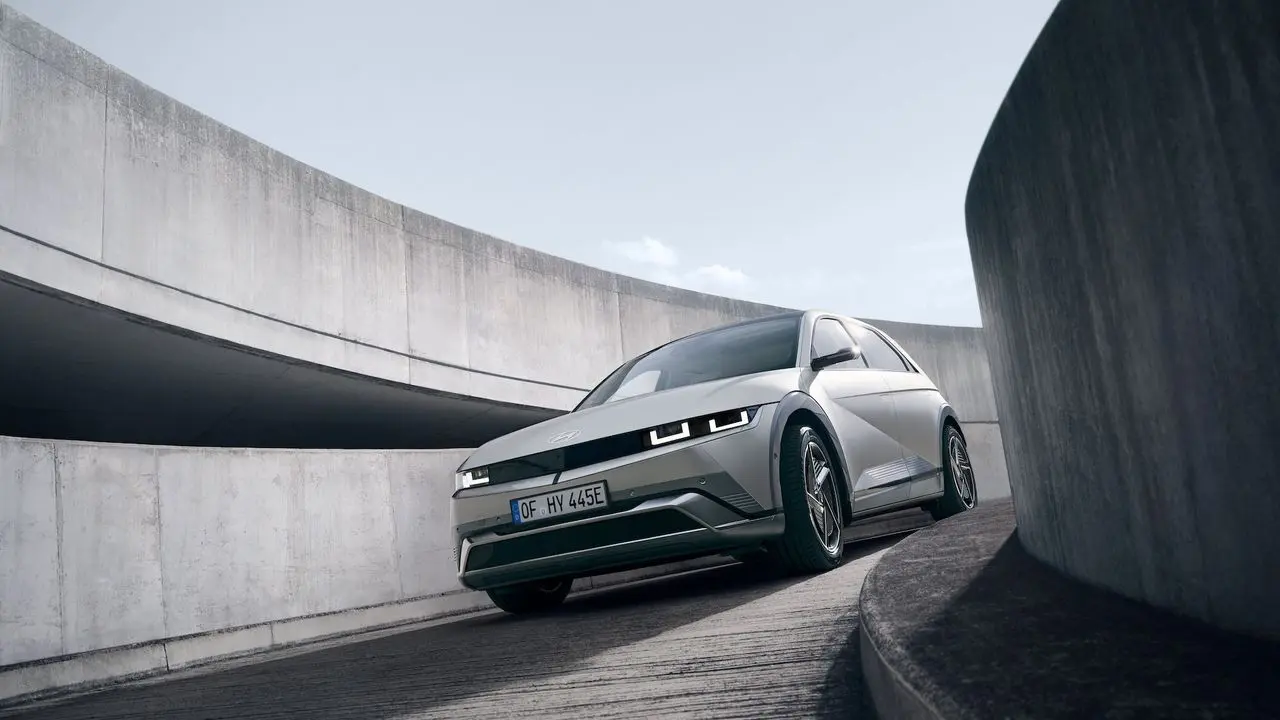
How Climate and Charging Habits Influence Battery Life
Analysis of half a million battery tests shows Hyundai electric vehicles maintain range better than Tesla over time
Latest news
 Minisforum Unveils High‑End Ryzen AI Max+ PRO 495 Workstation
 NASA Eyes Revival of SR‑71 Blackbird
 My Home Wi‑Fi Was Crowded by 14 Neighbors—A Free App Helped Me Find a Clear Channel
 YouTube is tightening rules for low-effort Shorts
A comprehensive study examining 500,000 electric vehicle battery tests has identified Hyundai as the leader in long-term battery health, surpassing Tesla in the rankings. The research, conducted over multiple years and covering vehicles with up to 93,000 miles on the odometer, reveals which EV models retain their driving range most effectively. Hyundai’s consistent performance across its electric lineup earned it the top position in what researchers describe as the world’s largest analysis of EV battery degradation to date.
The study measured capacity retention across thousands of vehicles from various manufacturers, tracking how much original range remained after years of real-world use. Hyundai models showed slower degradation rates, particularly in climates with extreme temperatures, suggesting superior thermal management and battery chemistry. Tesla vehicles, while still performing strongly overall, ranked just behind Hyundai in long-term capacity preservation. Researchers noted that driving habits, charging frequency, and software updates also played significant roles in individual outcomes, but the aggregate data pointed to Hyundai’s edge in durability.
What Does This Mean for Used EV Buyers?
Vehicles operated in moderate climates with consistent Level 2 charging demonstrated the best battery longevity, regardless of brand. Fast charging, while convenient, correlated with slightly faster degradation when used excessively, especially in hot environments. Hyundai’s battery warranty, which guarantees 70 percent capacity after 10 years or 100,000 miles, aligns closely with the study’s findings of sustained performance. Engineers from the research team emphasized that no single factor determines battery life, but the combination of hardware design and user behavior creates measurable differences over time.
For consumers considering a used electric vehicle, battery health is now a critical factor alongside mileage and service history. The study suggests that Hyundai EVs may offer greater confidence in range retention over secondary ownership periods. This could influence resale values and buyer preferences in the growing used EV market. As battery longevity becomes a key differentiator, manufacturers may increasingly highlight real-world degradation data in marketing and warranty terms.
Frequently Asked Questions
How was the battery health measured in the study? Researchers analyzed real-world driving and charging data from 500,000 vehicles, calculating capacity retention by comparing current range to original EPA-rated range after adjusting for distance driven and environmental conditions.
Does this mean Tesla batteries are unreliable? No, Tesla batteries still show strong performance overall, with most vehicles retaining over 80 percent capacity after significant use; Hyundai simply demonstrated a slightly slower average rate of degradation in this particular dataset.
Will this study affect future EV warranties? It could encourage manufacturers to offer more transparent battery health guarantees or adjust warranty terms based on proven long-term performance, though any changes would depend on internal evaluations and competitive pressures.
Comments
Leave a comment