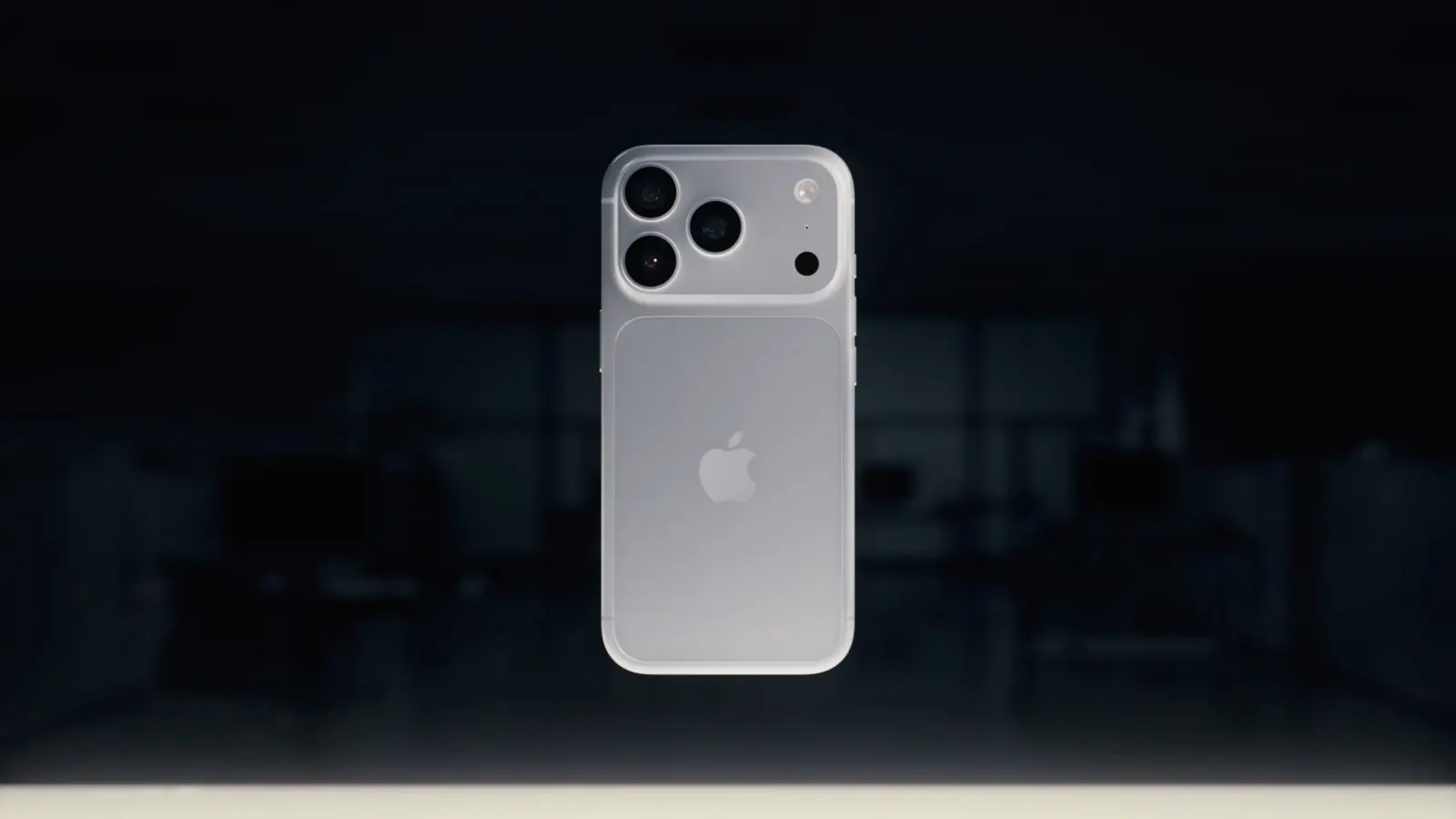
Technical Limitations in Cycle Endurance
European energy regulatory data recently disclosed the specific battery capacities for the upcoming i Phone 18 Pro and Pro Max. While these devices introduce notable technical improvements, the documentation highlights a persistent gap between Apple’s hardware standards and the evolving durability expectations set by the broader smartphone industry regarding long-term power retention.
Latest news
 Minisforum Unveils High‑End Ryzen AI Max+ PRO 495 Workstation
 NASA Eyes Revival of SR‑71 Blackbird
 My Home Wi‑Fi Was Crowded by 14 Neighbors—A Free App Helped Me Find a Clear Channel
 YouTube is tightening rules for low-effort Shorts
The regulatory filings confirm that Apple is prioritizing performance efficiency in its latest flagship lineup. Independent testing indicates that the i Phone 18 Pro Max now supports the fastest charging speeds ever seen on an Apple handset. This enhancement aims to reduce downtime for power users who rely on their devices throughout demanding workdays.
Despite these advancements in charging velocity, the hardware remains rated for 1,000 complete charge cycles. This figure represents the number of times a battery can be depleted and recharged before its capacity drops significantly. Many competing Android manufacturers have already surpassed this threshold, offering devices designed to maintain peak health over longer periods.
Is Apple Falling Behind the Android Standard?
Consumers who intend to keep their smartphones for three years or more may find this discrepancy concerning. While Apple’s software optimization helps manage power consumption, the physical battery chemistry appears to prioritize rapid energy delivery over extreme longevity. This design choice forces users to balance the convenience of fast charging against the eventual need for battery replacement.
The industry trend is shifting toward extended battery lifespans to promote sustainability and device longevity. By sticking to the 1,000-cycle rating, Apple maintains its current internal standards rather than adopting the more durable battery technologies currently appearing in high-end Android alternatives. This suggests that while the i Phone 18 Pro series excels in daily speed, it may not be the optimal choice for users prioritizing multi-year hardware endurance.
Frequently Asked Questions
As mobile technology advances, the focus is moving beyond mere capacity toward total lifespan. Users must now decide if the rapid charging capabilities of the new i Phone outweigh the potential for faster battery degradation compared to rival devices.
What is the significance of the 1,000-cycle rating? This rating indicates the expected number of full charge cycles before the battery’s capacity noticeably declines. It serves as a benchmark for the overall lifespan of the internal power cell.
Why does the charging speed matter for battery health? Faster charging often generates more heat, which can accelerate battery wear over time. While the i Phone 18 Pro Max charges quickly, users should consider how this impacts long-term battery performance.
Comments
Leave a comment