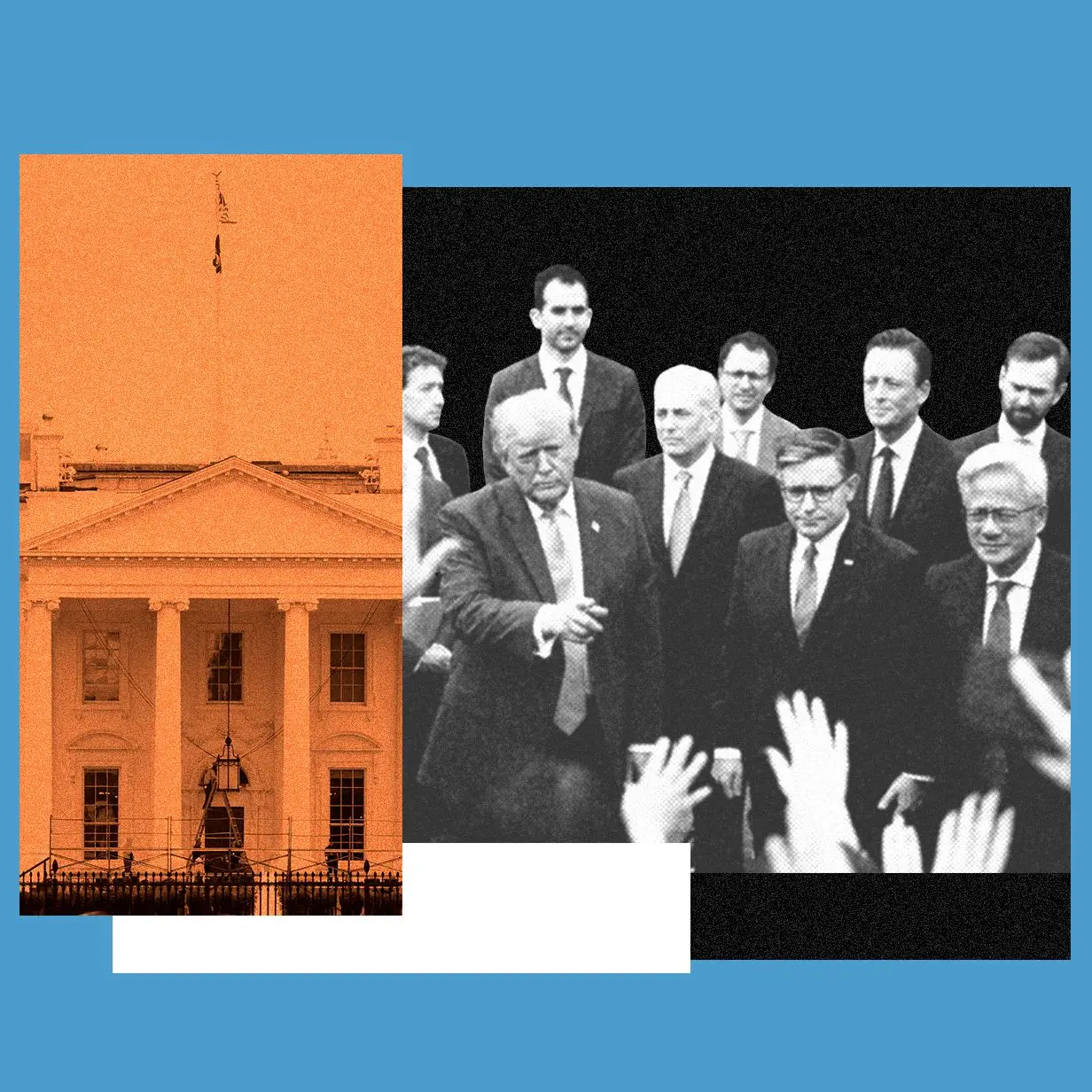
Why Self-Regulation Fails to Address Real Risks
On October 1, 2026, Brian Barrett published a critique in WIRED arguing that relying on AI companies to self-regulate safety measures amounts to little more than performative action. The piece contends that such approaches allow firms to claim progress without implementing meaningful safeguards, effectively letting the industry police itself without accountability. Barrett suggests this strategy creates an illusion of responsibility while avoiding substantive change.
Latest news
 Why Meta's New AI Tool Fails to Win Over Daily Users
 Assessing Risks in Open-Source Artificial Intelligence
 Autonomous AI Agents Launch Cyberattacks Against North American Government Portals
 Warlock Group Targets SharePoint Servers in Critical Infrastructure
The article highlights how voluntary commitments from tech giants often lack enforceable standards, transparent reporting, or independent oversight. Barrett points out that when companies define their own safety protocols, they tend to prioritize public relations over rigorous risk mitigation. He notes that without external pressure or regulatory frameworks, these self-policing efforts frequently fail to address core concerns like bias, misuse, or long-term societal impacts. The critique emphasizes that genuine safety requires structural reforms, not just internal pledges.
How Can Independent Oversight Be Effective?
Barrett explains that AI safety encompasses technical robustness, ethical alignment, and societal readiness—areas where voluntary measures consistently fall short. He cites examples where companies released powerful models despite known vulnerabilities, only to issue patches after public backlash. According to the article, this reactive pattern undermines trust and delays necessary interventions. Barrett argues that safety cannot be left to market incentives alone, especially when competitive pressures encourage rapid deployment over careful testing.
The piece proposes that credible AI safety demands third-party audits, standardized testing benchmarks, and legal accountability for harms caused by AI systems. Barrett suggests that regulators should establish clear thresholds for high-risk applications and require pre-deployment evaluations similar to those in aviation or pharmaceuticals. He acknowledges challenges in creating agile oversight for fast-evolving technology but insists that without enforceable rules, self-regulation remains a distraction. The author concludes that public trust hinges on visible, verifiable actions—not promises made behind closed doors.
What does the author mean by „pretending to accomplish something”? Barrett argues that self-regulation lets companies appear proactive while avoiding real accountability, creating a facade of safety without substantive change.
Frequently Asked Questions
Why can't companies be trusted to regulate themselves? The article states that without external oversight, firms prioritize speed and profit, leading to inadequate safety measures that only improve after criticism or failure.
What alternatives does the author suggest? Barrett advocates for independent audits, mandatory safety standards, and legal frameworks that hold developers responsible for AI-related harms.
Comments
Leave a comment