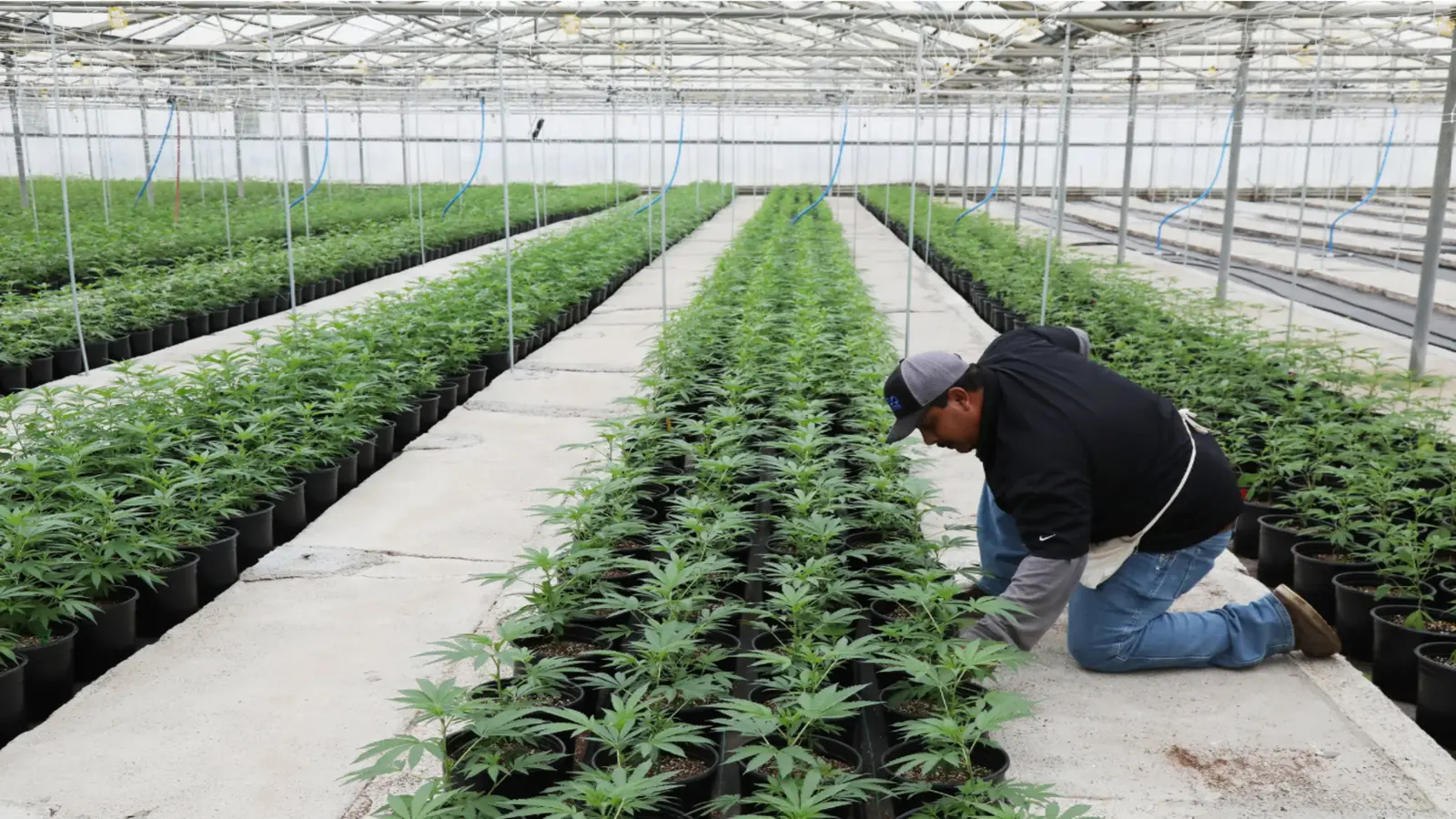
Why Cannabis Facilities Suit AI Workloads
Struggling cannabis growers in the United States are converting their cultivation facilities into smaller data centers. Falling weed revenues have forced operators to find new uses for properties with strong power and water infrastructure. The shift addresses a critical gap in AI infrastructure.
Latest news
 Smart TVs frequently lose their Wi-Fi connection, leaving viewers staring at a spinning loading icon
 Why Ignoring Car Software Updates Is Risky
 Apple's foldable iPhone Duo introduces dual-display multitasking capabilities
 FCC Weighs Reciprocal Limits on Foreign Satellite Firms
The conversion is driven by the intersection of two trends: declining cannabis profits and surging demand for AI computing power. Many former marijuana farms already possess the heavy electrical capacity and cooling water systems required to host server racks. This makes them ideal candidates for distributed AI data centers.
Cannabis cultivation requires consistent, high-volume water for irrigation and climate control. It also demands reliable electrical supply to run lighting, ventilation, and HVAC systems. These exact specifications align perfectly with the needs of AI training clusters. Operators can repurpose existing infrastructure without major capital expenditure.
Can This Model Scale Across the US?
The strategy offers a dual benefit. It extends the commercial life of underperforming cannabis properties. Simultaneously, it provides AI companies with ready-made facilities that bypass lengthy permitting and construction delays.
Analysts note that this conversion model could expand rapidly. The number of struggling cannabis farms is growing as market saturation drives down prices. Each converted facility adds distributed computing capacity to the national AI network. This decentralized approach reduces congestion in major data center hubs.
However, challenges remain. Not all farms have sufficient power grid connections. Some require upgrades to handle the sustained load of AI accelerators. Water recycling systems in older facilities may need modernization.
Frequently Asked Questions
Why are cannabis farms converting to data centers? Falling marijuana revenues have made cultivation less profitable. The existing infrastructure—power, water, and climate control—matches the requirements for AI data centers, making conversion a logical pivot.
What infrastructure do these farms already have? They possess heavy electrical capacity for lighting and HVAC, plus water systems for irrigation. These systems are directly transferable to server cooling and power delivery for AI workloads.
Is this a temporary fix or a long-term trend? It is a long-term structural shift. As AI demand outpaces traditional data center construction, underutilized cannabis facilities offer a faster path to deploying computing power.
Comments
Leave a comment