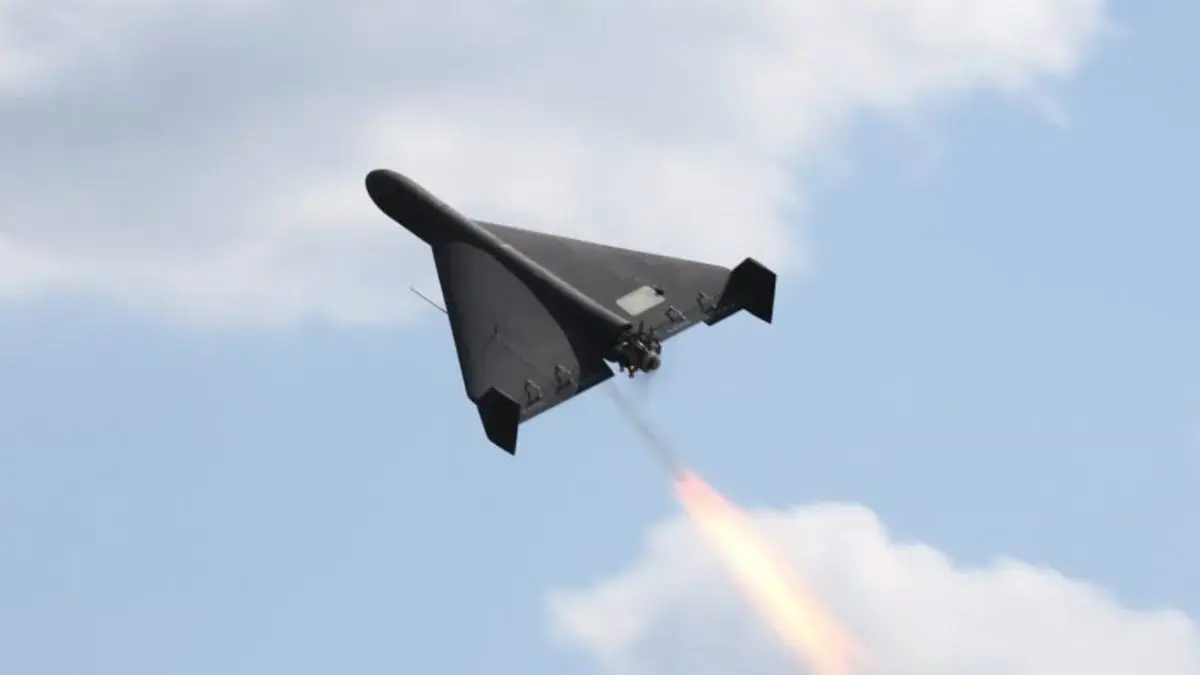
How Gaming Tech Shapes Military Innovation
The US Army has approved a $465 million budget to acquire 30-kilowatt vehicle-mounted laser systems designed to counter enemy drones. The procurement, announced in September 2026, involves the LOCUST X3 laser developed by AeroVironment. Officials noted the system’s intuitive controls resemble consumer gaming hardware, with operators using modified Xbox-style controllers to aim and fire the directed-energy weapon. The technology represents a shift toward affordable, scalable air defense solutions for modern battlefields.
Latest news
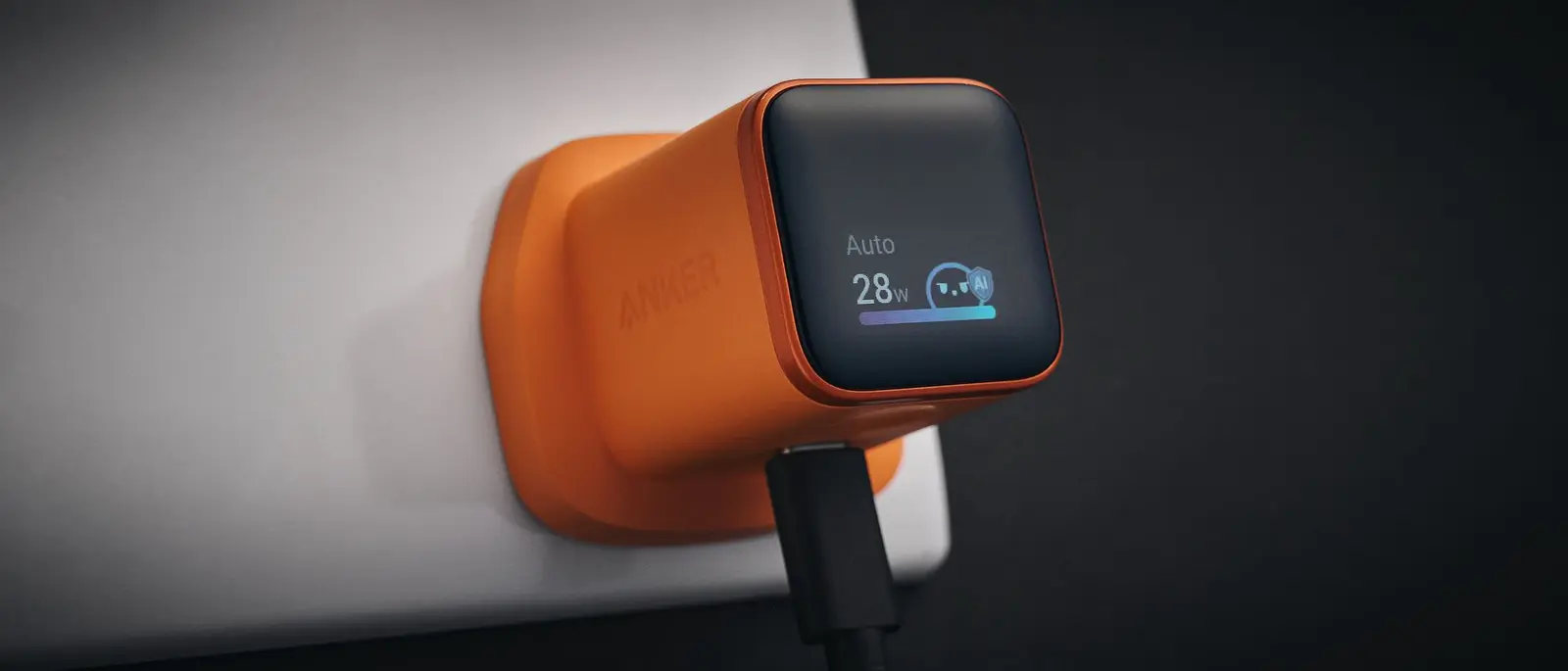 Anker Unveils Playful 45W Charger With Animated Face Display
 Google Docs Web Version Still Missing Native Dark Mode
 Anthropic-Linked Vulnerability Exploited From China, Targets US and Japan
 Text‑Based AI Agents: Your New Digital Assistants
The LOCUST X3 laser operates by focusing high-energy beams to disable or destroy unmanned aerial vehicles at ranges exceeding several kilometers. Unlike traditional missile-based defenses, the laser offers near-instantaneous engagement with minimal cost per shot, relying only on electrical power. AeroVironment engineers adapted the targeting interface from commercial gaming controllers to reduce training time and improve soldier familiarity. The system is designed for integration onto tactical vehicles, providing mobile protection for convoys and forward operating bases. Testing has demonstrated effectiveness against Group 3 drones, which include larger reconnaissance and combat-capable UAVs.
Can Lasers Replace Traditional Air Defense?
The use of Xbox-like controllers in the LOCUST X3 system reflects a broader trend of adapting consumer electronics for defense applications. By leveraging familiar interfaces, the Army aims to shorten the learning curve for operators and increase operational readiness. This approach also reduces reliance on specialized, proprietary control systems that can be expensive to maintain. Soldiers involved in early trials reported quicker target acquisition and improved situational awareness when using the modified controllers. The design choice underscores how commercial innovation can accelerate military capability development without sacrificing precision or reliability.
While directed-energy weapons like the LOCUST X3 offer advantages in speed and cost efficiency, they are not intended to fully replace conventional systems such as missiles or guns. Instead, they serve as a complementary layer in a layered defense strategy, particularly effective against swarms of low-cost drones. Limitations include performance degradation in adverse weather conditions like heavy rain or fog, and the need for substantial power generation on host vehicles. Military planners view lasers as ideal for point defense and escalation-of-force scenarios, where minimizing collateral damage is critical. The Army plans to evaluate the system’s performance in joint exercises before broader deployment.
What type of drones can the LOCUST X3 laser engage? The system is designed to counter Group 3 unmanned aerial vehicles, which typically weigh between 132 and 1,320 pounds and are used for reconnaissance or light strike missions.
Frequently Asked Questions
Why does the laser system use an Xbox-style controller? The controller interface was adapted to reduce training time and improve operator familiarity, leveraging widely recognized gaming hardware for intuitive targeting.
Is the laser effective in all weather conditions? Performance can be reduced in heavy precipitation, fog, or atmospheric particulates, which scatter or absorb the laser beam, limiting range and effectiveness.
Comments
Leave a comment