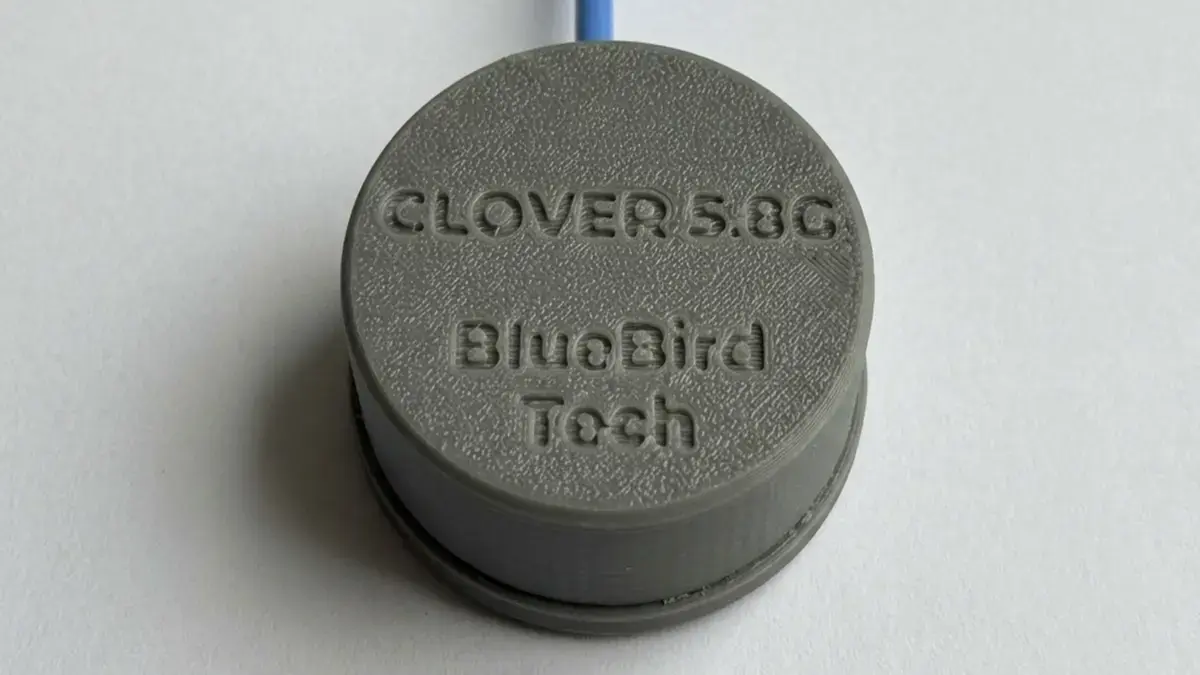
Extending Drone Reach with the CLOVER Design
Kyiv‑based BlueBird Tech unveiled a 25‑gram antenna on 15 August 2022, designed for UAVs and portable monitoring gear. The device, named CLOVER, operates between 4.9 and 6.1 GHz and promises unprecedented transmission distances for field units. Early tests suggest it can link drones to command centers far beyond current limits.
Latest news
 Why the Rumored iPhone Duo Excites Android Foldable Fans
 AMD's Canceled Ryzen 9 5900X3D Leaks Online
 California Subpoenas OpenAI Over Autonomous AI Hacking Risks
 Nvidia-Backed UK Supercomputer Faces Multi-Year Power Delay
The new antenna targets the growing need for reliable, long‑range data links in contested environments. Its lightweight construction lets it be mounted on small quadcopters without affecting flight time. Engineers say the broader frequency band reduces interference and improves signal clarity, essential for real‑time video and sensor feeds. BlueBird Tech claims the design cuts production costs, allowing rapid scaling for Ukraine’s armed forces.
CLOVER’s compact form factor stems from a novel ceramic substrate and a tightly wound spiral radiator. This combination yields high gain while keeping mass under 30 grams. Test pilots reported stable connections at distances exceeding 30 kilometers, a marked improvement over legacy kits that stall after 10 kilometers. „We wanted a solution that could be slipped onto any off‑the‑shelf drone and instantly extend its communication envelope,” said a company spokesperson. The antenna’s durability also meets military standards, surviving temperature swings and vibration typical of frontline operations.
Can a 25‑Gram Antenna Change Ukraine’s Reconnaissance?
Analysts believe the CLOVER could reshape battlefield intelligence gathering. By enabling drones to stay farther from hostile air defenses while still transmitting high‑resolution data, troops gain situational awareness without exposing assets. The antenna’s frequency agility helps avoid jamming, a persistent threat from adversary electronic warfare units. However, experts caution that success depends on complementary ground receivers and secure encryption. If integrated properly, the technology may give Ukrainian forces a decisive edge in surveillance and targeting.
Looking ahead, BlueBird Tech plans to mass‑produce the antenna for export to allied nations facing similar challenges. Continued field trials will refine its performance and assess durability under combat stress. If the device lives up to its early promise, it could become a staple in modern drone arsenals, redefining how lightweight platforms communicate across contested skies.
Frequently Asked Questions
What frequency range does the CLOVER antenna cover? It operates from 4.9 GHz up to 6.1 GHz, covering a band that balances range and resistance to interference.
How much does the antenna weigh, and why is that important? Weighing roughly 25 grams, it adds minimal load to drones, preserving flight endurance and maneuverability.
Is the antenna ready for immediate battlefield deployment? Initial trials show promising results, but full integration with secure ground stations and encryption protocols is still under evaluation.
Comments
Leave a comment