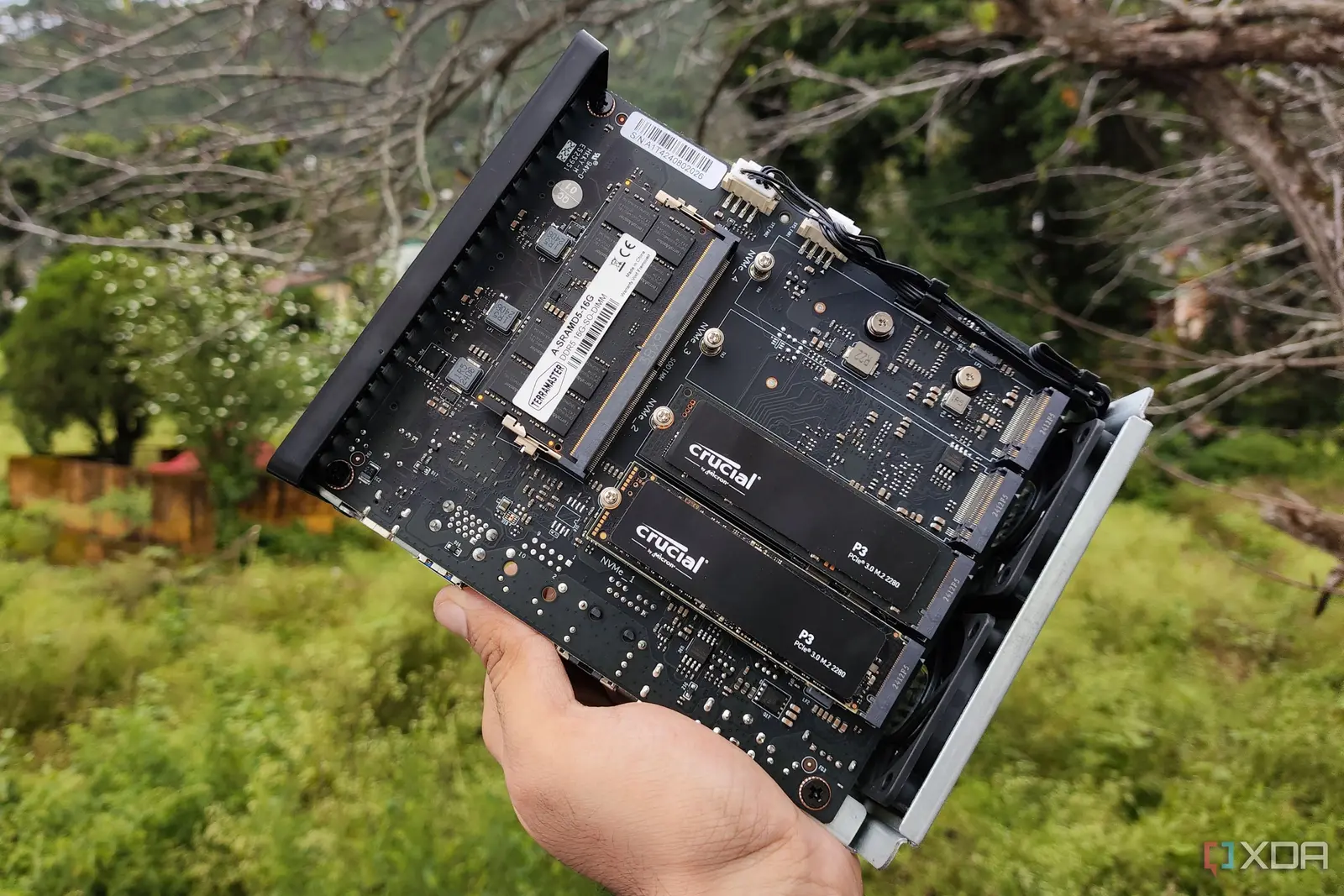
The Financial Barrier to Solid-State Adoption
Network-Attached Storage (NAS) devices have long promised a seamless way to back up and manage personal data. While all-flash systems initially appeared to be the ultimate solution for speed and silence, current market conditions in 2026 suggest these units are no longer a practical investment for the average home or office user.
Latest news
 Smart TVs frequently lose their Wi-Fi connection, leaving viewers staring at a spinning loading icon
 Why Ignoring Car Software Updates Is Risky
 Apple's foldable iPhone Duo introduces dual-display multitasking capabilities
 FCC Weighs Reciprocal Limits on Foreign Satellite Firms
These storage servers often hide layers of complexity beneath their sleek exteriors. Users frequently encounter intricate file systems, challenging network configurations, and a dense wall of technical jargon. While the hardware was designed to simplify digital archiving, the reality for most consumers involves navigating a steep and often frustrating learning curve.
The primary appeal of all-flash NAS hardware was its performance. Without moving parts, these drives offered near-instant access times and complete silence during operation. However, the recent trajectory of SSD pricing has fundamentally shifted the value proposition. Costs have remained stubbornly high, making the price-per-gigabyte ratio difficult to justify compared to traditional mechanical drives.
Is the Performance Boost Worth the Premium?
Manufacturers initially marketed these systems as the inevitable future of home networking. By removing the mechanical bottlenecks of spinning platters, they aimed to provide high-speed data streams for demanding media tasks. Unfortunately, the current economic climate for flash memory has stalled this transition, effectively pushing the widespread adoption of all-flash arrays several years into the future.
For most users, the raw speed of an all-flash setup is overkill. Standard mechanical hard drives remain more than capable of handling typical file sharing and document archiving tasks. Unless a user is performing heavy-duty video editing directly from the network, the added expense of flash storage provides diminishing returns that fail to outweigh the significant initial investment.
Frequently Asked Questions
As storage needs grow, the cost disparity becomes even more pronounced. Expanding an all-flash array requires a massive financial commitment that most households cannot rationalize. Until flash memory prices undergo a significant and sustained decline, the industry will likely remain reliant on hybrid or traditional mechanical storage solutions for the foreseeable future.
Why are all-flash NAS units losing their appeal? The primary issue is the high cost of SSDs, which makes these units significantly more expensive than traditional storage. For most users, the performance benefits do not justify the current price premium.
Should I buy an all-flash NAS for my home office? It is generally not recommended unless you have specific, high-bandwidth needs like professional video editing. For standard backups and file sharing, mechanical drives remain the most cost-effective and practical choice.
Comments
Leave a comment