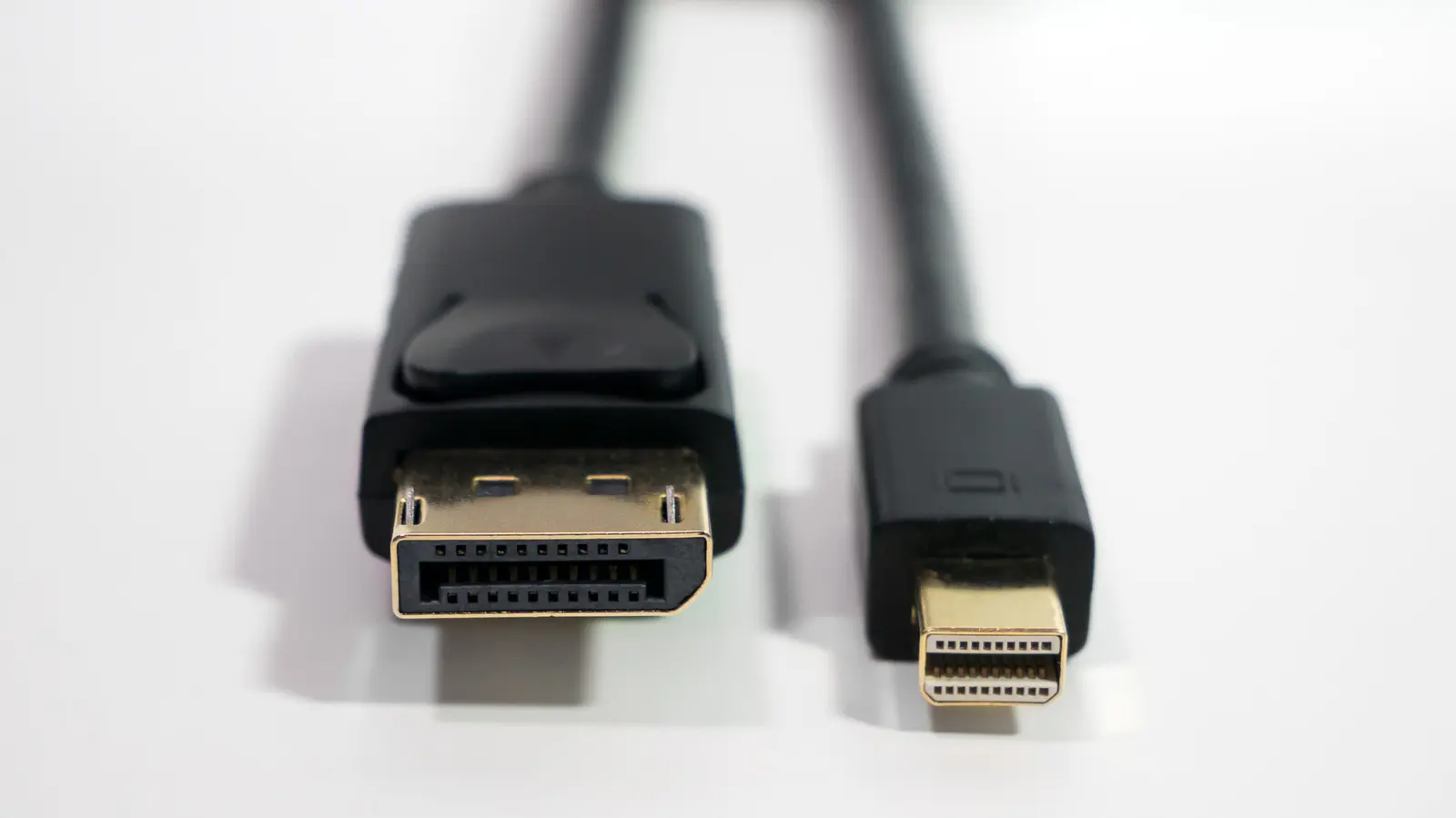
The Rise of Universal Connectivity
Mini DisplayPort, once a staple for connecting monitors to laptops and desktop computers, is rapidly fading from the modern hardware landscape. Over the past few years, manufacturers have systematically removed these dedicated video ports from new devices. This shift marks the end of an era for a once-ubiquitous interface standard.
Latest news
 Major AI firms recorded peak lobbying expenses last summer
 Apple Magic Keyboards for iPad Drop to Half Price at Woot
 Microsoft Provides Fix for Broken Exchange Online Apps
 Security Breach at AI Aggregator Exposes 18 Million Files and Private Chats
The transition began as computer designers sought to shrink device footprints and simplify internal hardware layouts. By moving toward more versatile connection standards, companies could eliminate the need for specialized video outputs. This change reflects a broader industry movement toward streamlining ports to save precious internal space.
The primary driver behind this obsolescence is the emergence of USB-C and Thunderbolt technology. These modern standards handle data, power, and high-resolution video signals through a single, reversible connector. Because these ports are multifunctional, they provide a much higher level of utility than a single-purpose video output.
Is There Still a Place for Legacy Ports?
Hardware manufacturers now prioritize USB-C because it allows for thinner, lighter laptop designs. Users no longer need to carry multiple cables for different functions. Instead, a single hub or docking station can manage displays, peripherals, and charging simultaneously. This integration has effectively rendered the dedicated Mini DisplayPort redundant for most consumers.
While newer machines have largely abandoned the port, many professionals still rely on older hardware. Those working with legacy monitors may find themselves needing adapters to bridge the gap between modern USB-C ports and older displays. This transition period highlights the friction that occurs when industry standards evolve to favor newer, more efficient technology.
Frequently Asked Questions
Moving forward, the industry will likely continue to consolidate around USB-C and its future iterations. The era of specialized, single-purpose ports is effectively over. Consumers should expect upcoming hardware to rely exclusively on universal interfaces that prioritize versatility and compact design over legacy compatibility.
Why did manufacturers stop using Mini DisplayPort? Companies moved away from it to favor USB-C and Thunderbolt ports. These newer standards offer more versatility by combining video, data, and power into one connection.
Can I still use my old monitors with a new laptop? Yes, you can use a simple adapter or a docking station. These devices convert the modern USB-C signal into a format that older monitors can recognize.
Comments
Leave a comment