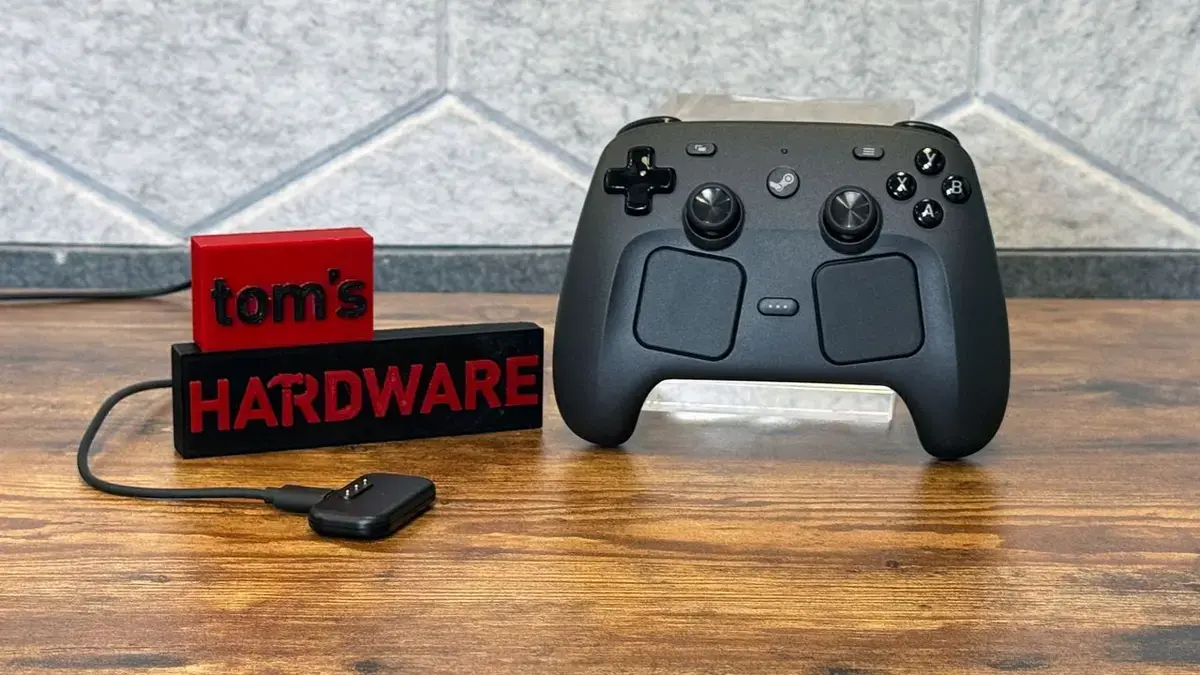
Engineering Audio from Haptic Vibrations
A creative hardware enthusiast has successfully repurposed the Steam Controller’s haptic feedback motors to function as high-fidelity stereo speakers. By utilizing a custom-built HID tool, the modder streams 16-bit audio directly through the device’s trackpads. This unconventional modification allows the controller to play any audio file with surprising acoustic depth.
Latest news
 Minisforum Unveils High‑End Ryzen AI Max+ PRO 495 Workstation
 NASA Eyes Revival of SR‑71 Blackbird
 My Home Wi‑Fi Was Crowded by 14 Neighbors—A Free App Helped Me Find a Clear Channel
 YouTube is tightening rules for low-effort Shorts
The project relies on a wired connection to bypass standard input limitations. By manipulating the controller's internal hardware, the modder forces the haptic actuators to vibrate at specific frequencies. These rapid vibrations translate into audible sound waves, effectively turning the trackpad surfaces into miniature speaker diaphragms.
The process requires specialized software to bridge the gap between standard audio drivers and the controller’s proprietary communication protocol. Once the custom HID tool is active, the system treats the haptic motors as a standard stereo output device. This allows users to pipe system audio directly into their hands while gaming.
Can This Mod Damage Your Controller?
Initial tests demonstrate that the audio output is surprisingly robust for such small components. While the sound quality does not replace high-end studio speakers, it provides a unique tactile experience. The modder confirmed that the setup is compatible with various audio formats, making it a versatile tool for hardware hobbyists.
The long-term impact on the controller's internal components remains a primary concern for the community. Running haptic motors at high frequencies for extended periods could potentially lead to premature mechanical wear. However, for enthusiasts, the trade-off is a fascinating look at how hardware can be pushed beyond its original design.
Frequently Asked Questions
This experiment highlights the hidden capabilities of older peripheral hardware. As the mod gains traction, more users are expected to attempt similar modifications on their own devices. It serves as a reminder that even discontinued hardware can find new life through clever software engineering and community ingenuity.
Does this mod require physical hardware changes? No, the modification is primarily software-based. It requires a custom HID tool to communicate with the controller's firmware over a standard USB connection.
Is the sound quality comparable to standard headphones? The audio quality is surprisingly full but lacks the range of dedicated audio equipment. It is intended as a fun hardware experiment rather than a replacement for professional sound systems.
Comments
Leave a comment