A Beacon of Free Knowledge
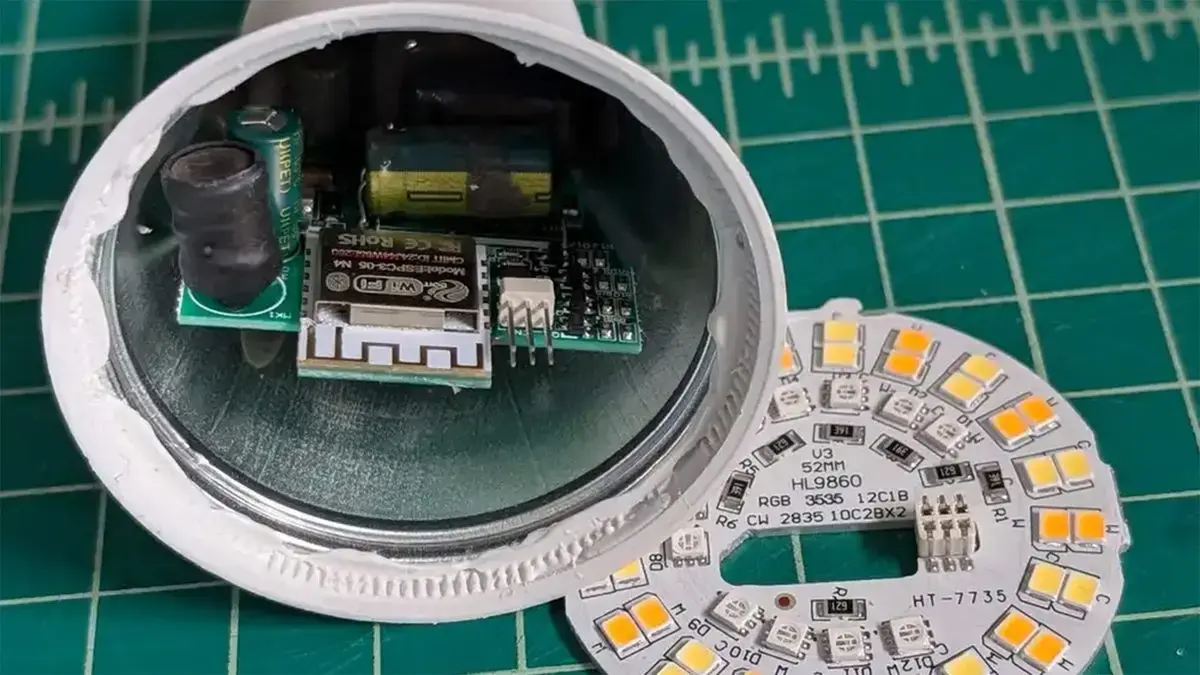
A security researcher has turned a Wi-Fi smart lightbulb into a digital library for banned books. The project was made public on June 20, 2026. The researcher used an ESP32-powered bulb to create the digital repository. This was achieved by hacking into the bulb.
Latest news
 The iPhone Duo Reimagines Smartphone Navigation
 Improper Redaction Exposes Google Data Center Resource Use in Lincoln
 I fed my messy Obsidian notes to Claude Code and it finally organized my digital brain
 Your Wi‑Fi Performance Is Suffering From a Simple Mistake
The 'cyberpunk digital dead drop' was inspired by a short story about anti-corporate tech resistance. The researcher created a server and open Wi-Fi access point within the bulb, making digital books available. The project is open-source, allowing others to replicate it.
Can Censorship Keep Up?
The bulb broadcasts its own Wi-Fi network, allowing nearby devices to connect and access the digital library. The researcher aimed to create a covert means of sharing information. The project highlights the potential for repurposing everyday devices.
The digital library contains books that have been banned or censored. By using a smart lightbulb as the host, the researcher has created a unique and stealthy means of disseminating knowledge. This approach could be used in areas where access to information is restricted.
The project's open-source nature means that others can adapt and improve it. This raises questions about the potential for widespread use. As technology continues to evolve, the boundaries between innovation and subversion will become increasingly blurred.
Frequently Asked Questions
The creation of this digital library has significant implications for access to information. It demonstrates the resourcefulness of individuals in circumventing censorship. As such projects become more prevalent, authorities may need to reassess their approaches to controlling the flow of information.
What kind of books are available through the smart lightbulb library? The library contains digital versions of books that have been banned or censored. These books are available to devices that connect to the bulb's Wi-Fi network. How can others replicate this project? The project is open-source, meaning that the necessary code and instructions are publicly available. Others can use this information to create their own digital libraries. What are the potential risks associated with using a hacked smart lightbulb? Using a modified smart lightbulb may pose security risks, as it involves altering the device's original software and configuration.
Comments
Leave a comment