
How Aero Dock Recreates Vista’s Signature Look
A new freeware called Aero Dock has been released, targeting users who miss the sleek, translucent taskbar and animated shortcuts that defined Windows Vista’s Aero interface. The program, available for download on Windows 10 and 11, recreates the iconic dock with customizable icons, live previews, and smooth animations, all without requiring a system upgrade. Developed by a small team of hobbyist programmers, the app promises a lightweight, ad‑free experience that restores a nostalgic desktop aesthetic.
Latest news
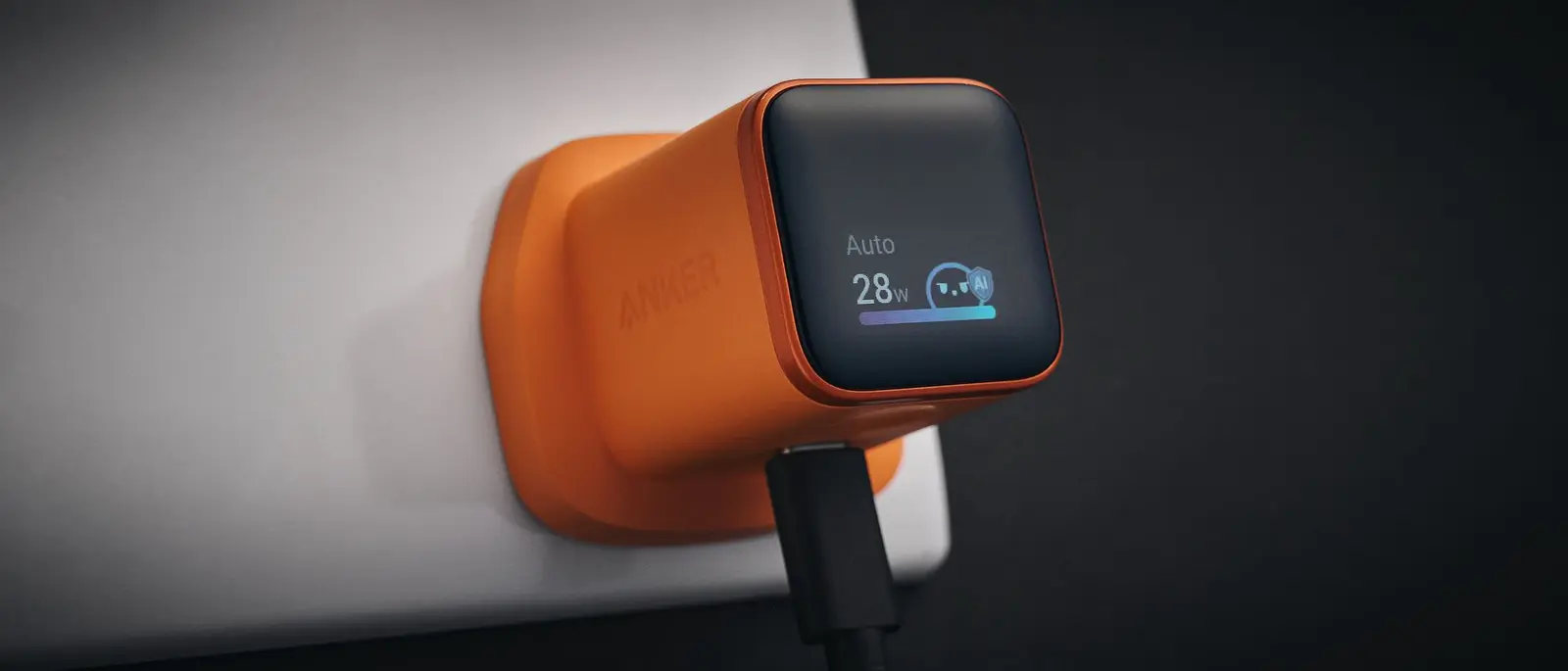 Anker Unveils Playful 45W Charger With Animated Face Display
 Google Docs Web Version Still Missing Native Dark Mode
 Anthropic-Linked Vulnerability Exploited From China, Targets US and Japan
 Text‑Based AI Agents: Your New Digital Assistants
The developers built Aero Dock using open‑source libraries, allowing it to integrate seamlessly with modern Windows versions. Users can drag and drop shortcuts, adjust transparency levels, and enable or disable animations to suit performance needs. The app also supports multi‑monitor setups, automatically extending the dock across screens. According to the lead programmer, the goal was to capture the „best part” of Vista’s visual flair while ensuring compatibility with today’s hardware, avoiding the resource‑heavy demands that plagued the original Aero theme.
Aero Dock mimics the glass‑like surface and subtle glow effects that made Vista’s taskbar stand out. By leveraging Windows’ built‑in composition engine, the dock renders real‑time shadows and reflections, giving icons a sense of depth. Users can choose from several preset themes—Classic, Dark, and Transparent—each offering different levels of translucency and color accents. The app also includes a „Live Tile” feature, displaying dynamic information such as weather or calendar events directly on the dock icons. Early testers report that the dock runs smoothly on machines with as little as 4 GB of RAM, and the developers have optimized the code to minimize CPU usage.
Will This App Replace Modern Taskbars for Everyday Users?
While Aero Dock offers a visually appealing alternative, it is not intended to replace the built‑in Windows taskbar entirely. Instead, it functions as an overlay that can be toggled on or off, allowing users to switch between the classic dock and the default interface as needed. Critics note that power users may find the lack of deep integration—such as native support for virtual desktops—limiting. However, for those who primarily seek a nostalgic desktop experience, the app delivers a faithful recreation without the bloat of third‑party skin packs. The developers plan to add more customization options in future updates, responding to community feedback on forums and social media.
The release of Aero Dock signals a growing interest in retro‑style UI enhancements, as users increasingly seek personalization beyond the default Windows experience. By providing a free, lightweight solution, the app could inspire similar projects that blend classic design with modern performance standards. As Windows continues to evolve, tools like Aero Dock remind users that the aesthetic appeal of older operating systems still holds value.
Frequently Asked Questions
Is Aero Dock safe to install? Yes, the app is signed with a trusted certificate and does not contain adware or hidden malware. It is distributed through reputable download sites and the developers encourage users to verify the hash before installation.
Can I use Aero Dock on Windows 7? The current version supports Windows 10 and 11 only. The developers are evaluating the feasibility of a Windows 7 build, but no timeline has been announced.
Does the dock affect system performance? Benchmarks show minimal impact on CPU and memory usage, even on low‑end PCs. Users can disable animations to further reduce resource consumption if needed.
Comments
Leave a comment