
The Gap Between Lab Tests and Real Roads
Plug-in hybrid vehicles registered across the European Union in 2024 released an average of 145 grams of carbon dioxide per kilometer. This real-world figure stands in stark contrast to their official laboratory rating of just 24 grams per kilometer. The discrepancy highlights a significant gap between tested performance and actual driving conditions for these popular eco-friendly models.
Latest news
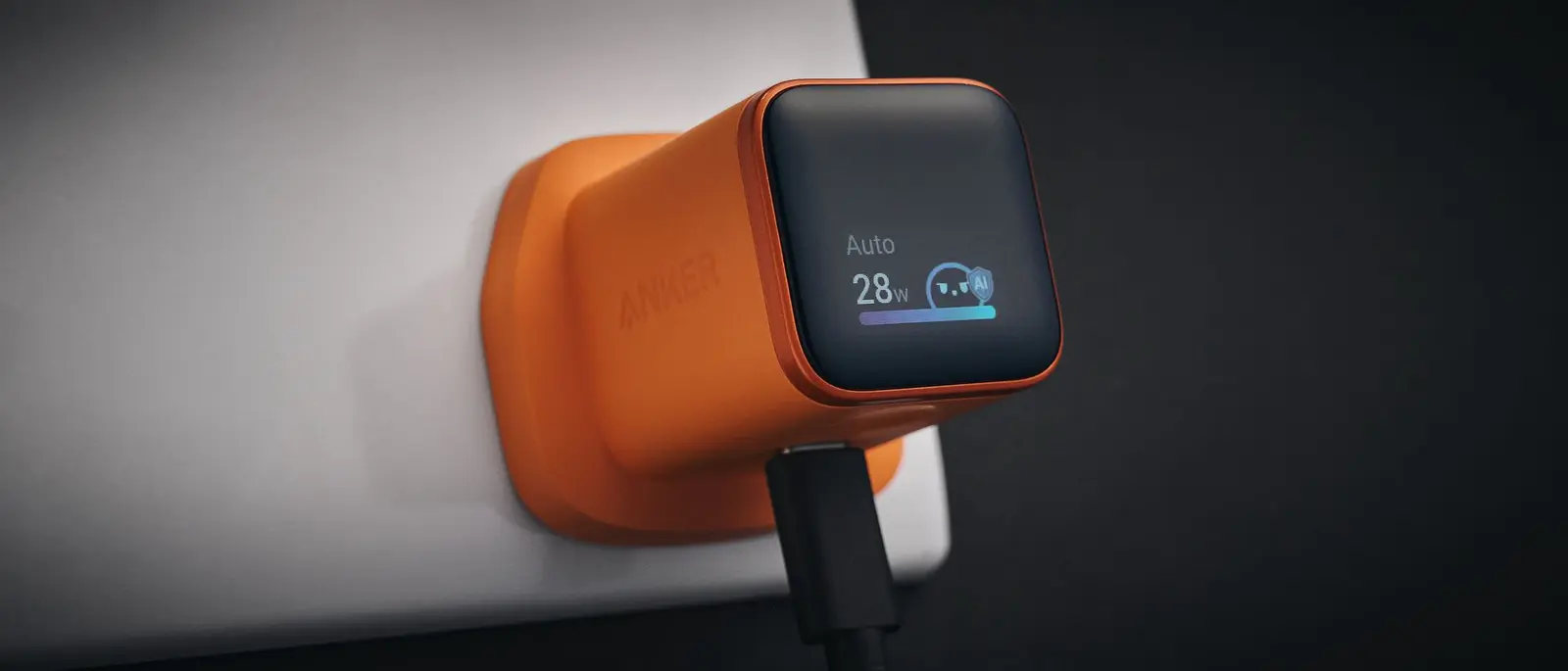 Anker Unveils Playful 45W Charger With Animated Face Display
 Google Docs Web Version Still Missing Native Dark Mode
 Anthropic-Linked Vulnerability Exploited From China, Targets US and Japan
 Text‑Based AI Agents: Your New Digital Assistants
The data reveals that manufacturers are facing intense scrutiny over the accuracy of their emissions claims. While plug-in hybrids were designed to bridge the gap between traditional combustion engines and fully electric vehicles, their real-world efficiency has fallen short of expectations. The six-fold difference between official ratings and actual emissions suggests that many drivers rely heavily on the internal combustion engine rather than the electric battery during daily commutes.
Transport authorities have flagged this widening gap as a critical issue for the continent’s climate goals. The official rating system, which relies on standardized laboratory cycles, often fails to capture the nuances of everyday driving behavior. In practice, many owners charge their vehicles less frequently than assumed or drive in conditions where the battery depletes quickly. Consequently, the car reverts to burning gasoline or diesel, producing higher levels of exhaust gases than projected.
Why Automakers Want to Cancel the New Fix
Carmakers argue that the current testing protocols do not reflect how consumers actually use these vehicles. They contend that the low official figures create unrealistic benchmarks that make it difficult for the industry to meet regulatory targets. The industry lobby is now advocating for a revision of the rules that govern how these emissions are calculated and reported.
Automotive executives claim that the proposed corrections to the emissions calculation method are too harsh. They believe the new standards would penalize plug-in hybrids unfairly compared to other vehicle types. By canceling or adjusting the fix, they hope to restore confidence in the technology and encourage continued consumer adoption. Critics, however, warn that loosening the rules could allow high-emission cars to masquerade as green options.
The debate centers on whether the focus should remain on strict laboratory compliance or shift toward real-world monitoring. If the official ratings remain significantly lower than actual emissions, the environmental benefits of switching to plug-in hybrids may be overstated. This uncertainty could influence future purchasing decisions and policy frameworks within the EU.
Frequently Asked Questions
How much do plug-in hybrids actually emit compared to their rating? In 2024, EU-registered plug-in hybrids emitted an average of 145 grams of CO2 per kilometer. This is roughly six times higher than their official laboratory rating of 24 grams per kilometer.
Why is there such a large difference in emissions? The gap arises because real-world driving conditions differ from controlled lab tests. Many drivers do not charge their vehicles as frequently as assumed, causing the internal combustion engine to work harder and produce more exhaust.
What are carmakers demanding regarding the new rules? Automakers want the recent fixes to the emissions calculation method to be canceled or adjusted. They argue that the current standards are too strict and do not accurately reflect typical consumer usage patterns.
Comments
Leave a comment