Overcoming Complex Architecture Hurdles
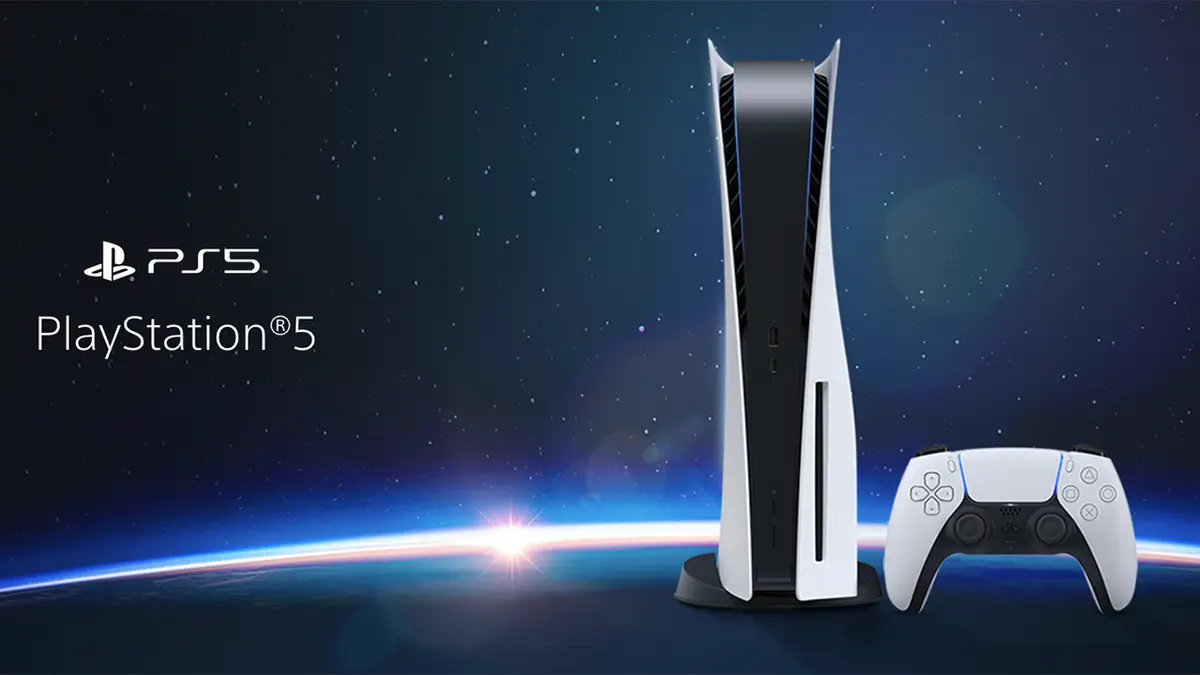
PlayStation 5 emulation has achieved a major technical milestone as developers successfully run six commercial console titles at a smooth 60 frames per second on desktop computers. SharpEmu released updated software featuring enhanced shader translation and improved Vulkan graphics API support, pushing the boundaries of modern PC-based console emulation.
Latest news
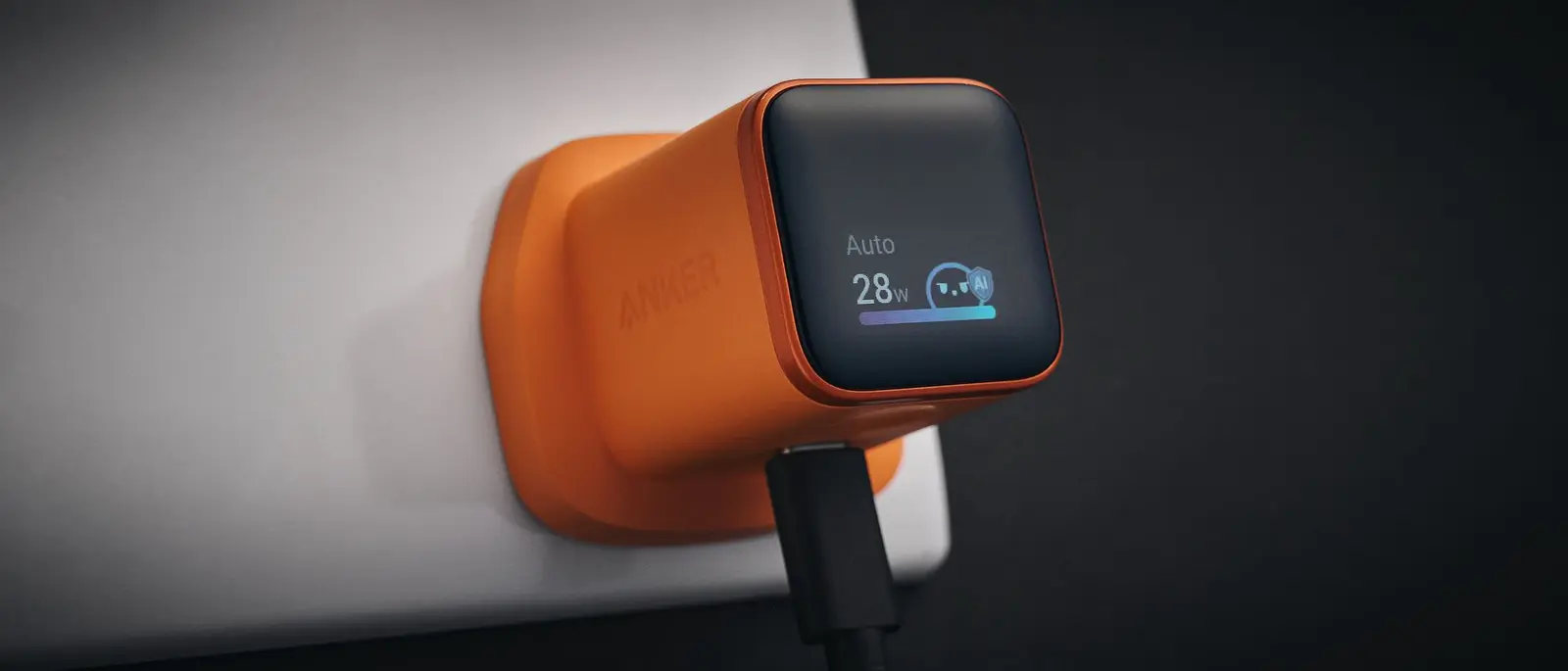 Anker Unveils Playful 45W Charger With Animated Face Display
 Google Docs Web Version Still Missing Native Dark Mode
 Anthropic-Linked Vulnerability Exploited From China, Targets US and Japan
 Text‑Based AI Agents: Your New Digital Assistants
The recent development cycle involved extensive testing across a library of 55 different console games to measure current compatibility rates. Out of that group, exactly 12 titles managed to boot and run, but only six achieved the performance benchmark required for a playable gaming experience.
Can Modern Desktop Hardware Handle Next-Gen Code?
Emulating current-generation hardware remains an extraordinary challenge due to the intricate design of custom solid-state storage controllers and processing units found in modern consoles. Developers must rely on sophisticated software layers to translate low-level console instructions into code that standard desktop graphics cards and processors can understand without massive performance penalties.
Optimization efforts focus heavily on refining shader compilation routines to eliminate stuttering during fast-paced action sequences. By maximizing Vulkan driver efficiency, the software bridges the gap between proprietary console architecture and standard Windows hardware, yielding tangible framerate improvements for enthusiasts experimenting with the platform.
Frequently Asked Questions
While achieving 60 frames per second on select software proves the concept is viable, high-end desktop specifications are still mandatory to brute-force the remaining translation overhead. Most titles in the current test suite still suffer from critical graphical glitches, audio desynchronization, and random software crashes that prevent standard playthroughs.
The steady acceleration of emulation progress suggests that enthusiast developers will continue unlocking deeper system compatibility over the coming months. Continued refinement of hardware virtualization techniques will eventually bring more complex console experiences to personal computers, though a fully stable library remains far down the road.
Comments
Leave a comment