Community Data Powers the Noise Registry
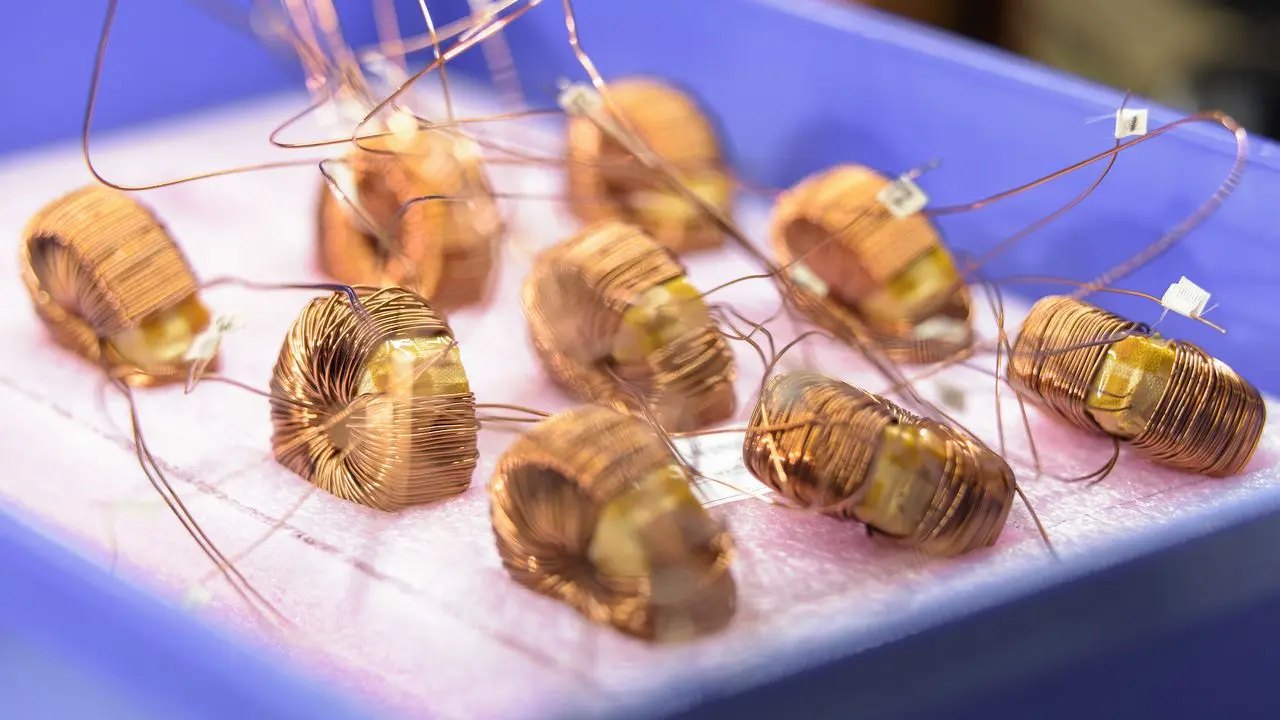
A dedicated tech enthusiast has launched a comprehensive, open-source database designed to catalog coil whine issues across various PC components. The project specifically targets graphics cards, power supply units, and all-in-one liquid cooler pumps. Launched in September 2026, the initiative relies heavily on community contributions to identify affected hardware. Users are encouraged to submit reports for both noisy and quiet units to build a reliable reference list.
Latest news
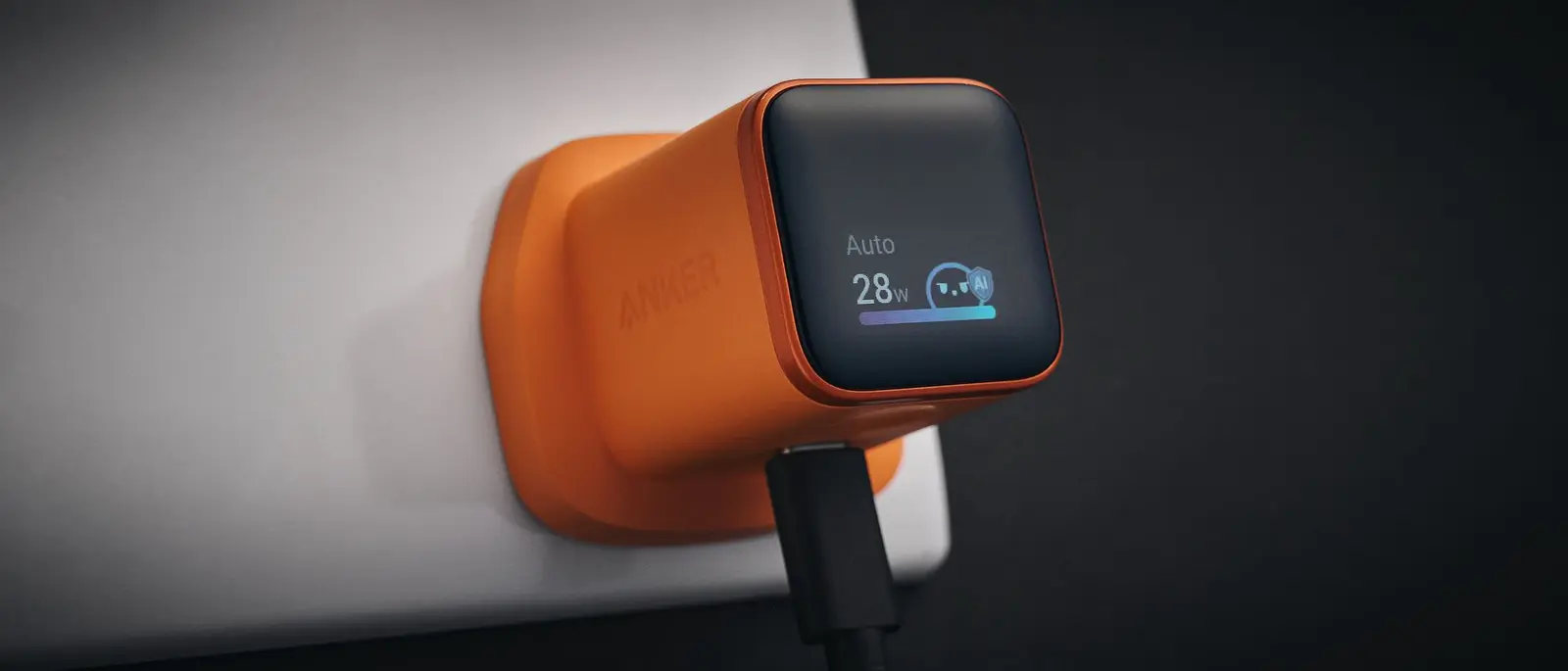 Anker Unveils Playful 45W Charger With Animated Face Display
 Google Docs Web Version Still Missing Native Dark Mode
 Anthropic-Linked Vulnerability Exploited From China, Targets US and Japan
 Text‑Based AI Agents: Your New Digital Assistants
The database addresses a persistent frustration among PC builders who struggle to find silent systems. Coil whine is an audible high-pitched noise caused by electrical oscillations in electronic components. While often harmless, the sound can be distracting and difficult to locate. This new resource aims to simplify the process of selecting hardware that operates without these irritating sounds. It serves as a centralized hub for real-world user experiences rather than relying solely on manufacturer claims or professional reviews.
The core strength of this project lies in its crowdsourced nature. Contributors upload detailed information about their specific hardware models and observed behavior. The system accepts reports for components that exhibit coil whine, helping future buyers avoid problematic batches. Crucially, the database also welcomes entries for parts that run silently. This dual approach creates a balanced dataset that highlights which specific revisions or brands tend to perform better. By aggregating thousands of individual observations, the project transforms scattered forum posts into a structured, searchable tool. Enthusiasts can now filter results by component type, brand, and noise level before making a purchase decision.
Why Silent Hardware Matters to Builders
The inclusion of power supplies and AIO pumps expands the scope beyond just GPUs. Many users assume coil whine only affects graphics cards, but modern switching power supplies can produce similar high-frequency tones. Similarly, the pumps in liquid cooling systems may emit audible hums or whines under certain load conditions. By tracking these diverse components, the database offers a holistic view of potential noise sources in a custom PC build. This comprehensive approach helps builders anticipate issues during the assembly phase, reducing the need for post-installation troubleshooting.
For many PC enthusiasts, silence is a key performance metric alongside speed and thermal efficiency. A loud or whining system can detract from the gaming or productivity experience, especially in quiet home offices. The open-source format ensures transparency, allowing anyone to inspect the data and contribute further improvements. Developers can update the codebase, while users can verify reports against their own hardware. This collaborative model fosters trust within the community, as the data reflects actual consumer usage patterns over time. It moves beyond theoretical specifications to practical, lived experiences.
Frequently Asked Questions
Does the database cover all major GPU brands? Yes, the project includes entries for graphics cards from leading manufacturers. Users can search for specific models to see if they have reported coil whine issues.
Can I add my own hardware to the list? Absolutely. The open-source structure allows any user to submit reports for their components. You should include details about the specific unit and whether it is noisy or quiet.
Is coil whine always a defect? Not necessarily. Coil whine is often a normal characteristic of certain electronic components. However, it becomes a concern when the noise is loud enough to be distracting during regular use.
Comments
Leave a comment