AI Tools for Better Sleep Hygiene
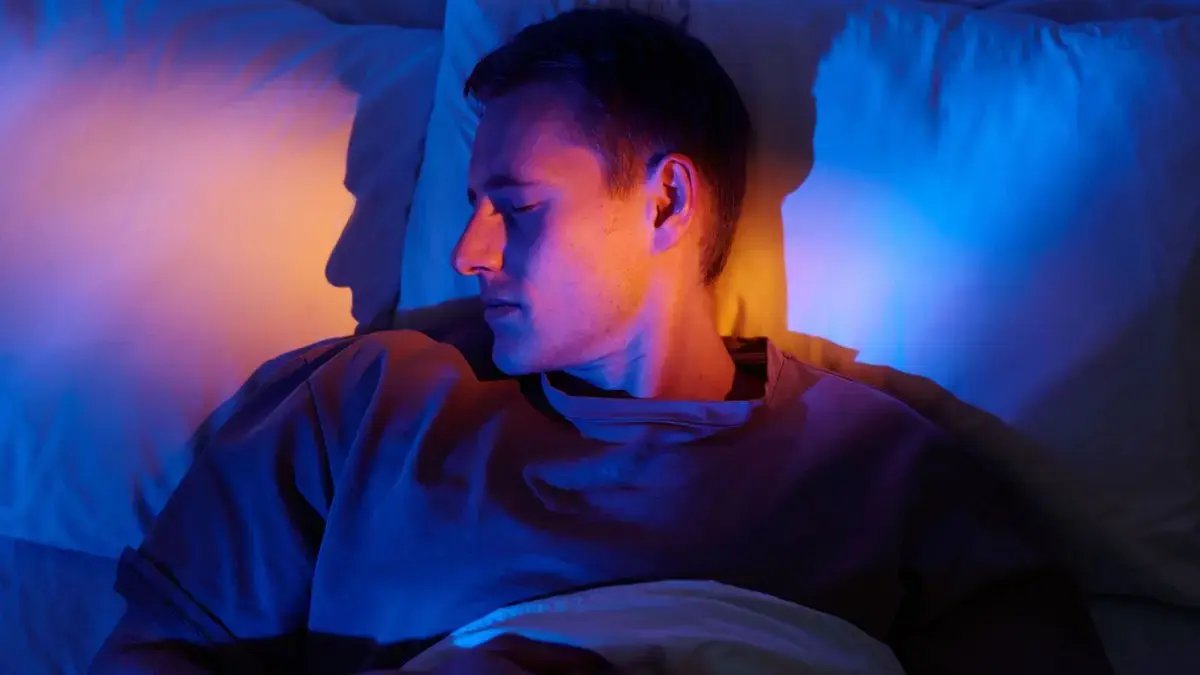
A recent study from the University of Edinburgh reveals a significant sleep problem affecting older workers. Researchers found that a staggering 92% of individuals over 50 exhibit symptoms of disordered sleep. This widespread issue highlights a hidden crisis impacting the health and productivity of a large segment of the workforce.
Latest news
 Anker Unveils Playful 45W Charger With Animated Face Display
 Google Docs Web Version Still Missing Native Dark Mode
 Anthropic-Linked Vulnerability Exploited From China, Targets US and Japan
 Text‑Based AI Agents: Your New Digital Assistants
The findings suggest that many experienced professionals struggle to achieve restful sleep. This can lead to various health complications and reduced performance at work. The study underscores an urgent need for effective strategies to improve sleep quality in this demographic.
One individual has found innovative ways to combat these sleep challenges using artificial intelligence. By employing ChatGPT, a large language model, they developed three specific techniques to help wind down before bed. These methods focus on mental relaxation and disengagement from daily stressors.
Can AI Really Improve Your Sleep?
The first technique involves using ChatGPT to generate calming bedtime stories or guided meditations. This helps to distract the mind from work-related thoughts and promotes a peaceful state. The second method utilizes the AI to create personalized journaling prompts, encouraging reflection without overstimulation. This allows for processing daily events in a structured, low-stress manner.
The third strategy involves asking ChatGPT to summarize complex topics or work documents. This allows for a quick review of information without the need for active reading or deep concentration. It helps to clear the mind of lingering tasks without engaging in demanding mental effort right before sleep. These AI-powered approaches offer a novel path to better sleep hygiene.
These personal experiences suggest that AI tools could play a valuable role in managing sleep disorders. By providing accessible and customizable relaxation techniques, AI might offer a new avenue for improving overall well-being for older workers. Further research into these applications could unlock broader benefits.
Frequently Asked Questions
What percentage of older workers showed signs of disordered sleep in the study? The study from the University of Edinburgh found that 92% of workers over the age of 50 displayed indicators of disordered sleep patterns. This highlights a significant and widespread issue within this demographic.
How did ChatGPT help one individual improve their sleep? The individual used ChatGPT for three main purposes: generating calming bedtime stories or meditations, creating personalized journaling prompts, and summarizing complex work documents. These techniques aimed to reduce mental overstimulation before sleep.
What are the potential benefits of using AI for sleep improvement? Using AI for sleep improvement offers benefits such such as personalized relaxation techniques and mental disengagement strategies. It provides an accessible way to unwind and prepare the mind for rest, potentially leading to better sleep quality.
Comments
Leave a comment