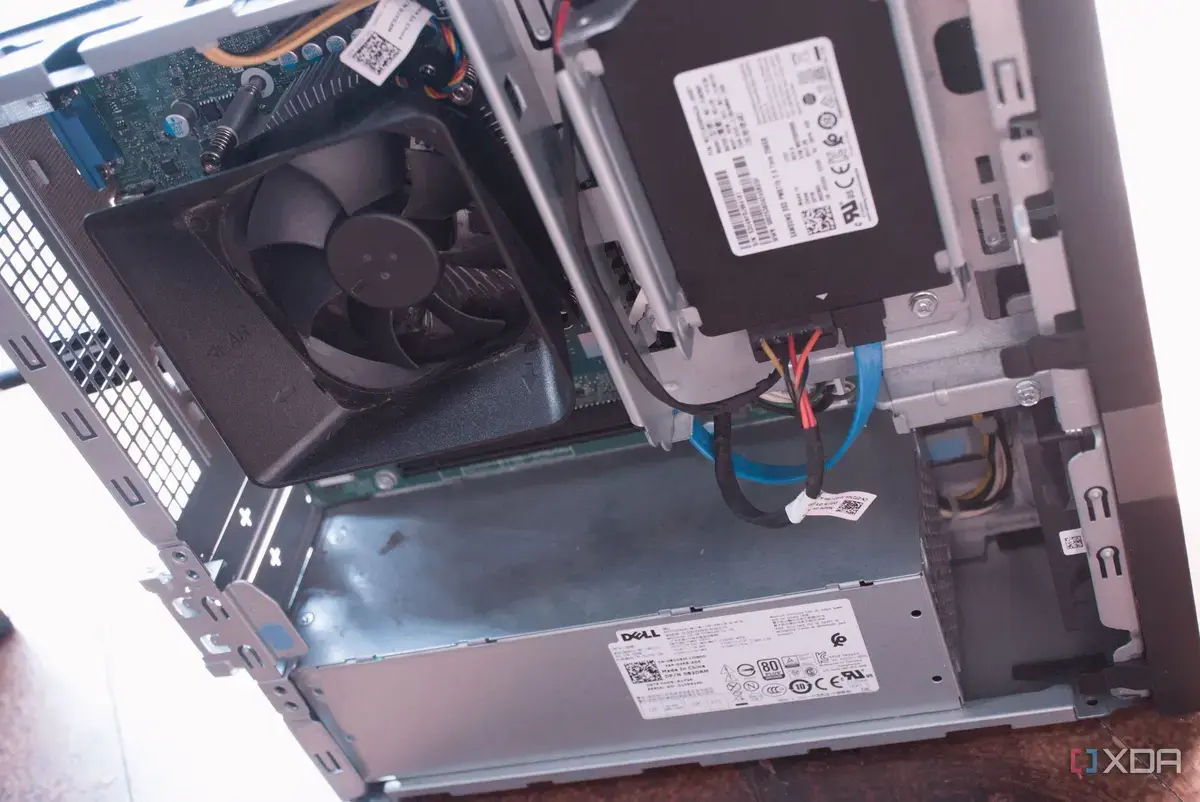
Building a DevOps Playground on a Legacy Machine
A growing number of college students are repurposing aging desktop computers into hands‑on DevOps training rigs. The trend, highlighted by XDA’s hardware lead Rich Edmonds, shows how inexpensive hardware can give undergraduates a competitive edge in automation, containerization, and continuous‑delivery practices before they graduate. The shift is gaining momentum across campuses in the United States and Europe as early‑year enrollment peaks.
Latest news
 Anker Unveils Playful 45W Charger With Animated Face Display
 Google Docs Web Version Still Missing Native Dark Mode
 Anthropic-Linked Vulnerability Exploited From China, Targets US and Japan
 Text‑Based AI Agents: Your New Digital Assistants
Edmonds explains that an old PC, even one built a decade ago, can run modern Linux distributions, host virtual machines, and spin up Docker containers with minimal upgrades. By installing lightweight hypervisors and open‑source CI/CD tools, students can simulate real‑world pipelines without paying for cloud credits. The approach reduces costs, encourages experimentation, and aligns with curricula that increasingly emphasize cloud‑native development. Universities are also endorsing the practice, offering lab space and mentorship to integrate these DIY rigs into coursework.
Students start by wiping the original OS and installing a minimal Linux distro such as Ubuntu Server or Alpine. From there, they add virtualization platforms like VirtualBox or KVM, enabling multiple isolated environments on a single chassis. „A 4‑core CPU and 8 GB of RAM are enough to run three concurrent containers and a Jenkins instance,” Edmonds notes. Open‑source tools—GitLab, Jenkins, Ansible, and Helm—run smoothly, allowing learners to practice version control, automated testing, and infrastructure‑as‑code. Data from a pilot program at a Midwestern university showed a 30 % increase in students’ confidence handling CI pipelines after a semester of hands‑on labs. The low entry barrier also means students can experiment with cloud‑provider APIs locally before moving to public services.
Can an Out‑of‑Date PC Really Match Cloud‑Based Labs?
Critics argue that on‑premise setups cannot replicate the scale of commercial cloud platforms. However, Edmonds counters that the core concepts—pipeline orchestration, container networking, and secret management—remain identical regardless of scale. „What matters is mastering the workflow, not the raw horsepower,” he says. By using tools like Minikube or Kind, learners can emulate Kubernetes clusters on modest hardware, gaining exposure to pod scheduling and service discovery. The experience translates directly when students later provision resources on AWS, Azure, or GCP, shortening the learning curve and reducing onboarding time for employers.
The ripple effect of this DIY movement could reshape how institutions teach software delivery. As more graduates arrive with practical DevOps experience, employers may lower entry‑level salary expectations while demanding higher proficiency. In the long run, the practice could democratize access to cloud‑native skills, narrowing the talent gap and fostering a generation of engineers comfortable with both legacy hardware and cutting‑edge platforms.
Frequently Asked Questions
What specifications are needed to start a DevOps lab on an old PC? A machine with at least a dual‑core processor, 8 GB of RAM, and 250 GB of storage can comfortably run Linux, a hypervisor, and several containers for learning purposes.
Do universities provide support for these personal setups? Many campuses now offer mentorship programs, dedicated lab spaces, and access to open‑source tool repositories, helping students configure and maintain their DIY environments.
Is it safe to experiment with production‑like pipelines on a personal computer? Yes, as long as students isolate their work using virtual machines or containers and avoid storing sensitive credentials on the host system. This practice mirrors industry best practices for sandboxed development.
Comments
Leave a comment