Restoring Sensation Through Direct Nerve Connections
Avi Davidson lost his left hand during his teenage years and spent decades cycling through conventional prosthetics that lacked any sense of touch. Technology is finally catching up to human biology through advanced neural wiring. His newest bionic device connects directly to his remaining nerves, allowing him to experience tactile sensations once more.
Latest news
 X enables Android users to schedule posts 18 months in advance
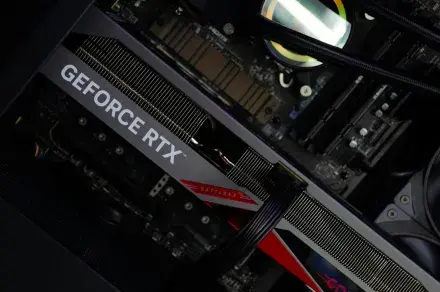 Nvidia May Slash Gaming GPU Supply by 20-30% Through January
 Cyber Threats: China and North Korea Adopt New AI Weapon
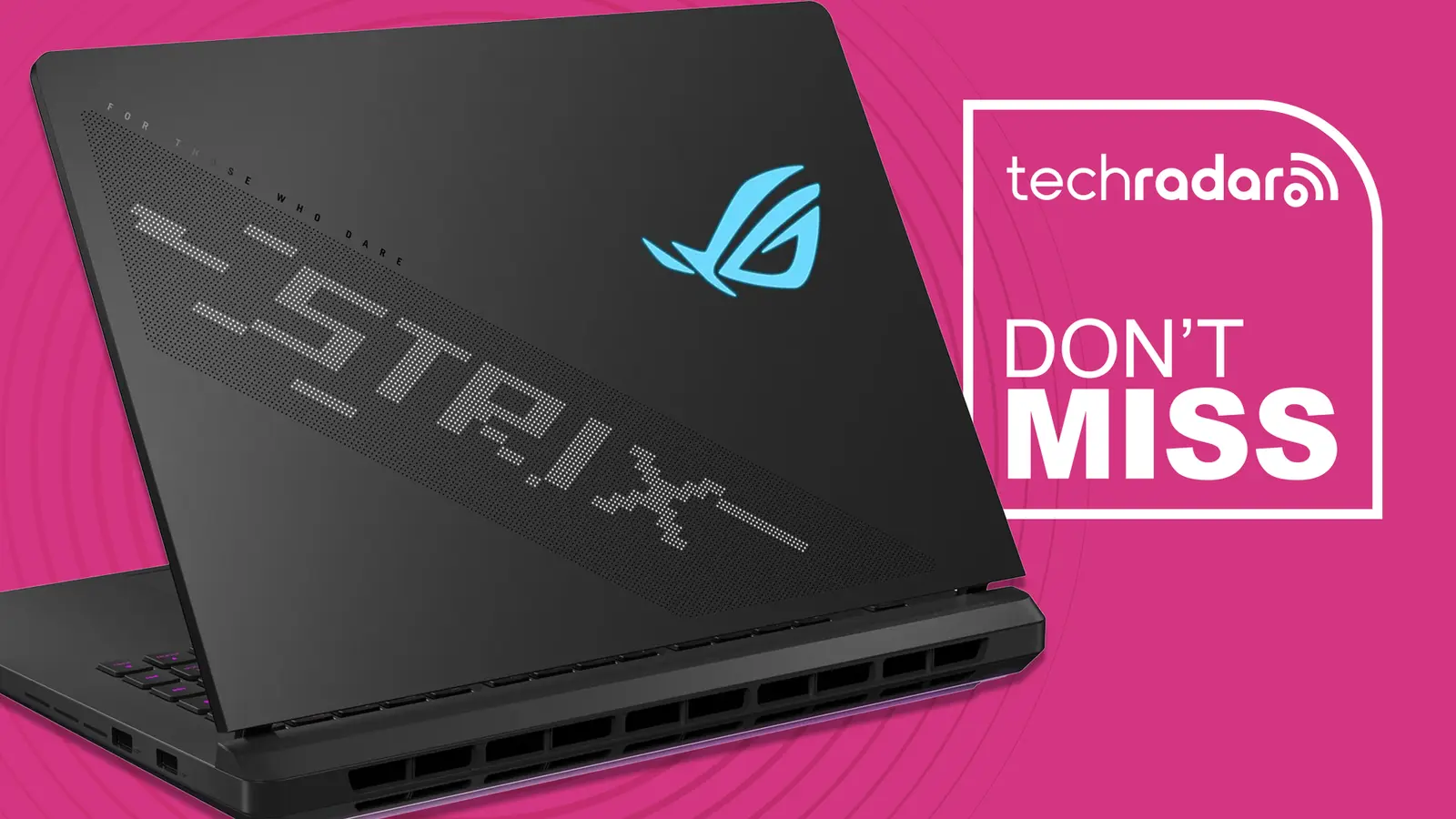 RTX 5090 gaming laptop with 24-core CPU and 32GB RAM hits the market
Traditional artificial limbs rely on clumsy mechanical harnesses or muscle twitches that feel unnatural to the user. This new iteration establishes a direct biological interface with the nervous system. Users can interpret sensory feedback from the artificial fingers, transforming how they interact with everyday objects.
The breakthrough relies on sophisticated electrodes surgically linked to the patient's arm nerves. When the bionic fingertips touch an object, sensors translate the physical pressure into electrical signals. These signals travel straight to the nervous system, tricking the brain into perceiving real contact. Davidson can now feel the texture, warmth, and firmness of items he picks up without needing to look at them.
How Do These Advanced Limbs Change Daily Life?
This leap forward reduces the mental fatigue associated with operating older prosthetic models. Amputees no longer have to rely exclusively on visual cues to gauge their grip strength. The direct neural feedback loop makes the artificial limb function more like an organic extension of the body.
The restoration of touch fundamentally alters routine tasks, from buttoning a shirt to holding a fragile glass. Patients report a dramatic boost in confidence and dexterity when navigating social and professional environments.
Frequently Asked Questions
Medical engineers continue refining the software and hardware to make these responsive limbs lighter and more durable. As surgical techniques improve, access to neurologically integrated prosthetics is expected to expand for a broader range of amputees worldwide.
What makes these new bionic hands different from older models? Unlike traditional devices that only move via muscle signals, these new prosthetics wire directly into the nerves. This allows users to actually feel touch and pressure through the artificial hand.
Who is the beneficiary of this technology? Avi Davidson, who lost his left hand as a teenager, is among the patients testing and utilizing these advanced neural-linked prosthetics.
Comments
Leave a comment