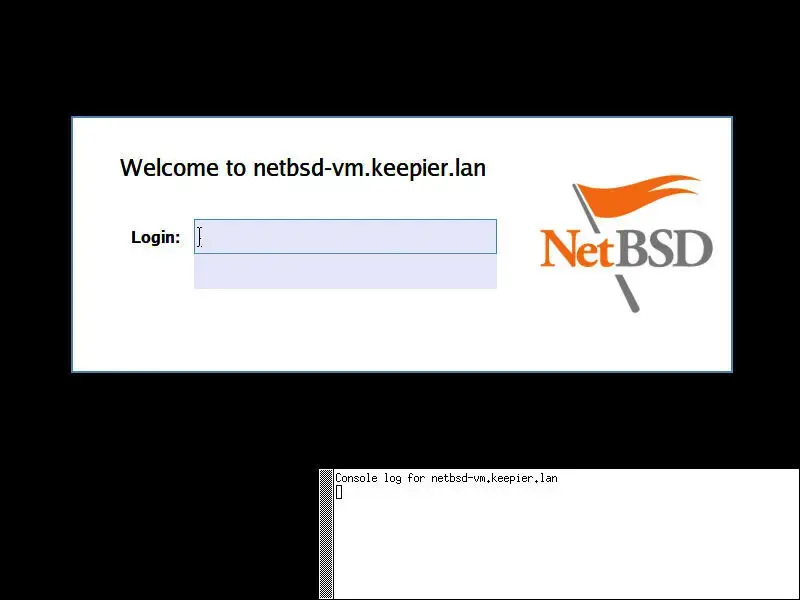
What’s New in NetBSD 11.0?
NetBSD 11.0 has been released, marking its 19th major update. This version debuted at the end of July, following a two-year gap since version 10.0. The update brings significant enhancements, including support for 64-bit RISC-V architecture and improved compatibility with Linux systems.
Latest news
 Why the Rumored iPhone Duo Excites Android Foldable Fans
 AMD's Canceled Ryzen 9 5900X3D Leaks Online
 California Subpoenas OpenAI Over Autonomous AI Hacking Risks
 Nvidia-Backed UK Supercomputer Faces Multi-Year Power Delay
The latest iteration of NetBSD focuses on performance and versatility. A standout feature is the MICROVM kernel, which allows virtual machines to boot in mere milliseconds. This advancement is particularly beneficial for developers and users who require quick deployment of virtual environments. NetBSD remains true to its Unix-like roots, appealing to those who appreciate its traditional approach, though it does require some technical knowledge to fully leverage its capabilities.
With the addition of RISC-V support, NetBSD 11.0 broadens its hardware compatibility. RISC-V is an open-source instruction set architecture that has gained traction in the tech community. This move positions NetBSD as a versatile option for developers working with emerging hardware technologies. Furthermore, the improved Linux compatibility allows for easier integration and migration of applications between the two systems.
Why Choose NetBSD 11.0 Over Other Operating Systems?
NetBSD's commitment to performance is evident in its new MICROVM kernel. This feature drastically reduces boot times for virtual machines, making it an attractive option for cloud computing and development environments. Users can expect faster startup times, which can enhance productivity and efficiency in various applications.
For users who value stability and customization, NetBSD 11.0 offers a unique experience. Its design philosophy emphasizes portability across different hardware platforms. This makes it an ideal choice for developers working on diverse systems. Additionally, the community-driven nature of NetBSD ensures continuous improvements and support from dedicated contributors.
While some may find the learning curve steep, the rewards are significant. Users who invest time in understanding NetBSD can benefit from a robust operating system that is highly adaptable. The combination of RISC-V support and rapid VM booting positions NetBSD as a strong contender in the operating system landscape.
The release of NetBSD 11.0 signals the project's ongoing evolution. As technology advances, NetBSD seeks to remain relevant by embracing new architectures and improving performance. This release not only caters to existing users but also invites new developers to explore its capabilities.
Frequently Asked Questions
What is RISC-V support in NetBSD 11.0? RISC-V support allows NetBSD to run on a new open-source hardware architecture. This enhances the operating system's compatibility with modern systems and expands its user base.
How does the MICROVM kernel improve performance? The MICROVM kernel significantly reduces the boot time for virtual machines, allowing them to start in milliseconds. This feature is particularly useful for developers needing quick access to virtual environments.
Is NetBSD 11.0 suitable for beginners? While NetBSD offers powerful features, it may not be the easiest choice for beginners. Users should be prepared to invest time in learning its intricacies to fully benefit from its capabilities.
Comments
Leave a comment