
What Specific Vulnerabilities Do These Updates Address?
Microsoft has released two cumulative updates for Windows 11, KB5124008 and KB5122880, targeting versions 25H2, 24H2, and 23H2. The updates were made available on September 8, 2026, as part of the monthly Patch Tuesday cycle. These releases are designated as mandatory and focus on addressing security flaws, resolving system bugs, and introducing minor feature enhancements across supported editions.
Latest news
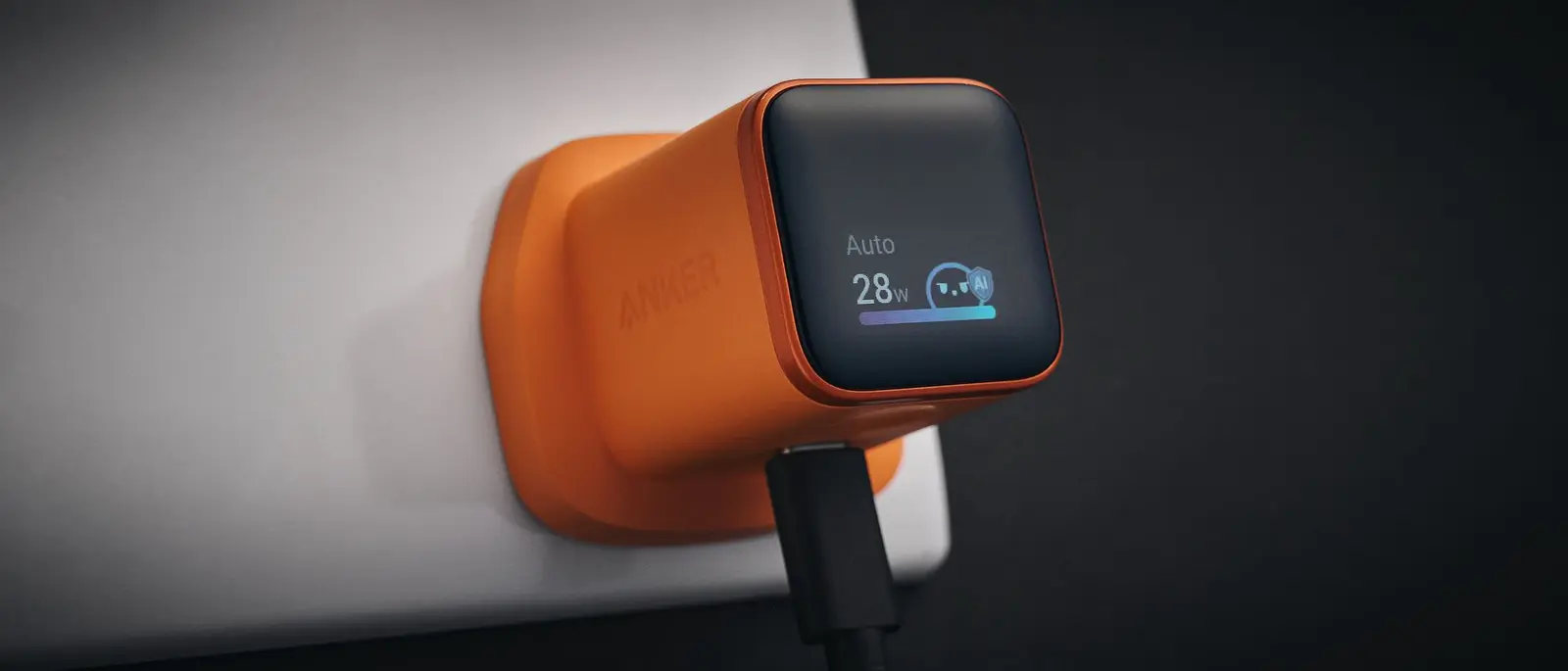 Anker Unveils Playful 45W Charger With Animated Face Display
 Google Docs Web Version Still Missing Native Dark Mode
 Anthropic-Linked Vulnerability Exploited From China, Targets US and Japan
 Text‑Based AI Agents: Your New Digital Assistants
The updates build upon previous servicing stacks to improve system stability and security posture. KB5124008 primarily targets the 25H2 and 24H2 releases, while KB5122880 extends coverage to include the 23H2 version. Microsoft emphasized that both packages include critical fixes for elevation of privilege vulnerabilities and memory handling issues identified in recent threat assessments. No user-facing feature overhauls are included, but underlying components related to Windows Hello and secure boot have been refined.
How Should Administrators Deploy These Updates?
While Microsoft did not disclose exhaustive details, the updates resolve multiple CVEs related to kernel-mode drivers and cryptographic modules. One notable fix prevents potential bypasses of Secure Boot under specific configurations. Another addresses a flaw in the Windows Print Spooler service that could allow remote code execution if exploited. Enterprise customers are urged to prioritize deployment due to the elevated risk associated with unpatched print-related components.
IT administrators can obtain KB5124008 and KB5122880 through Windows Server Update Services, Microsoft Endpoint Configuration Manager, or the Microsoft Update Catalog. The updates are also available via Windows Update for managed and unmanaged devices. Microsoft recommends testing in a pilot group before broad rollout, particularly for organizations using legacy printing infrastructure. Restart requirements apply after installation, and administrators should verify version numbers post-deployment to confirm successful application.
Are these updates optional for home users? No, Microsoft has marked both KB5124008 and KB5122880 as mandatory for all supported Windows 11 versions, including Home and Pro editions.
Frequently Asked Questions
Do the updates require a system restart? Yes, a restart is required after installation to complete the application of kernel and system file changes.
Can these updates be uninstalled if issues arise? Yes, both updates can be removed via Settings > Windows Update > Update history > Uninstall updates, though Microsoft advises against removal unless critical compatibility problems occur.
Comments
Leave a comment