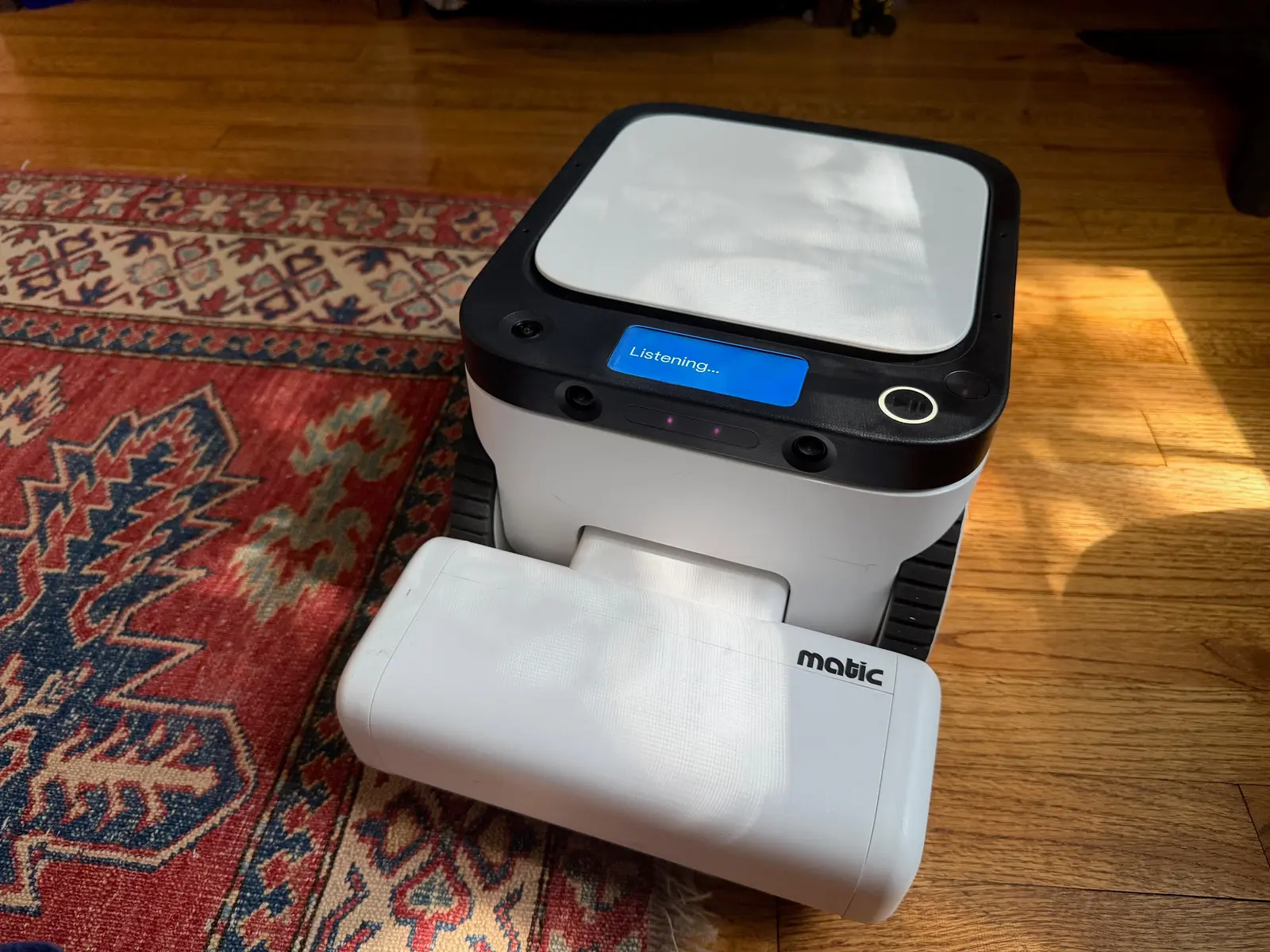
Regulatory Flexibility Fuels Innovation
The Matic robot vacuum and mop, a popular home cleaning device, recently received an FCC waiver, marking the first time any automated floor‑cleaning product has been granted such an exemption. The waiver allows the unit to operate without the typical radio‑frequency certification, streamlining its market rollout.
Latest news
 Major AI firms recorded peak lobbying expenses last summer
 Apple Magic Keyboards for iPad Drop to Half Price at Woot
 Microsoft Provides Fix for Broken Exchange Online Apps
 Security Breach at AI Aggregator Exposes 18 Million Files and Private Chats
Regulators granted the waiver after the company presented test data showing minimal RF output. This approach bypasses conventional certification steps, accelerating time‑to‑market. Such flexibility signals a shift toward lighter oversight for low‑risk devices. The decision reflects a broader regulatory trend toward risk‑based assessment rather than blanket testing.
How Will This Waiver Affect Everyday Users?
Consumers may see lower prices and faster availability of the Matic line. The waiver removes certification delays that previously slowed shipments. However, some users remain cautious about potential radio‑frequency exposure, despite FCC assurances. Early adopters report smoother integration with existing smart home ecosystems.
Overall, the waiver could set a template for future IoT devices seeking regulatory shortcuts. If the trend continues, manufacturers may enjoy reduced compliance costs, while consumers benefit from more competitive pricing and quicker product rollouts.
What exactly does the FCC waiver cover? The waiver exempts Matic from standard radio‑frequency certification, allowing the device to operate without the usual testing. It applies only to the wireless components that control navigation and mapping, not to the mop functions.
Frequently Asked Questions
Will other robot vacuums follow suit? Manufacturers are watching closely, but each device must prove its emissions stay below FCC limits. The waiver does not guarantee similar approvals for competing models.
Is there any safety risk from reduced certification? FCC officials say the approved devices meet all safety standards, and independent tests confirm no increase in RF exposure. Nonetheless, long‑term studies are still needed to fully assess any impact. The policy could influence state-level regulations as well today.
Comments
Leave a comment