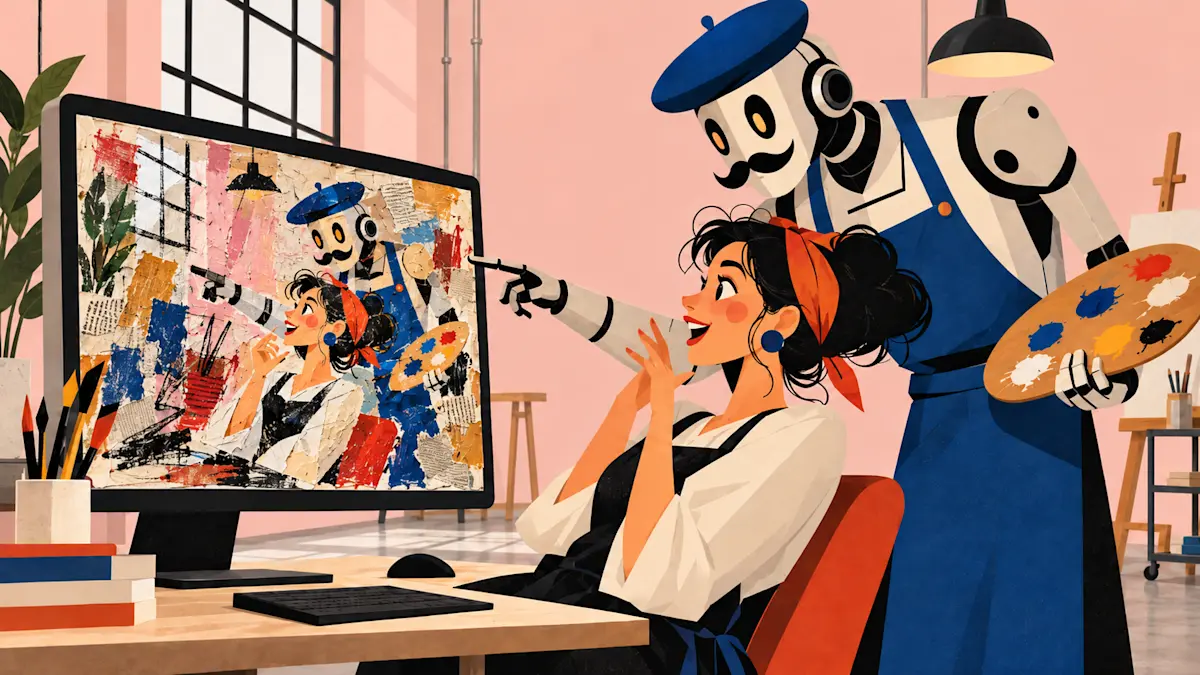
How Automatic Brand Enforcement Solves Creative Inconsistency
Magnific One officially launched on October 8, 2026, introducing a new image generation platform designed for professional teams. The tool targets businesses seeking high-quality visuals without the distinct digital artifacts often associated with generative models. It aims to streamline creative workflows while strictly adhering to established corporate identity standards. This release marks a significant shift toward specialized enterprise solutions in the competitive AI market.
Latest news
 Major AI firms recorded peak lobbying expenses last summer
 Apple Magic Keyboards for iPad Drop to Half Price at Woot
 Microsoft Provides Fix for Broken Exchange Online Apps
 Security Breach at AI Aggregator Exposes 18 Million Files and Private Chats
The core value proposition focuses on removing the recognizable AI lookfrom generated images. Early tools like DALL-E and Midjourney, popular between 2021 and 2022, often produced results that felt synthetic or overly stylized. Modern advancements have improved realism, but subtle inconsistencies remain problematic for brand consistency. Magnific One addresses this by integrating brand kits directly into the generation process. This ensures every output aligns with specific color palettes, typography, and visual guidelines automatically.
Creative teams often struggle to maintain visual cohesion across multiple projects. Manual adjustments to AI-generated images consume valuable time and require expert design skills. Magnific One automates this alignment, ensuring that logos, fonts, and brand colors appear correctly in every asset. This reduces the need for extensive post-production work. Designers can focus on conceptual creativity rather than technical corrections. The system interprets brand guidelines instantly, applying them during the rendering phase. This approach minimizes human error and speeds up the approval process for stakeholders.
Will Specialized Tools Replace General Purpose Models?
The platform positions itself against general-purpose generators that lack contextual awareness. While open-source models offer flexibility, they rarely understand proprietary brand rules. Magnific One bridges this gap by learning specific organizational aesthetics. Users upload their brand assets once, and the system retains this knowledge for future tasks. This creates a persistent memory of visual identity. It allows non-designers within marketing or sales teams to produce on-brand materials confidently. The technology removes the barrier between raw AI potential and polished commercial use.
The launch highlights a broader trend in the generative AI industry. Developers are moving beyond broad capability toward niche specialization. General models serve as foundational engines, but specialized wrappers add business logic. Magnific One represents this layer of refinement. It suggests that raw generation is no longer the primary bottleneck. Instead, integration and consistency are the key challenges. Companies want reliable outputs that fit seamlessly into existing marketing channels. This tool promises to deliver that reliability through automated compliance checks.
Looking ahead, the success of such platforms may reshape hiring practices in creative departments. Teams might rely less on dedicated graphic designers for routine tasks. They could instead employ specialists who manage AI workflows and brand parameters. This shift could lower costs and increase production volume. However, it requires trust in automated systems to handle delicate brand nuances. As adoption grows, we may see stricter standards for AI transparency in commercial media. The goal remains clear: make artificial intelligence an invisible partner in creative design.
Frequently Asked Questions
When did Magnific One launch? Magnific One launched on October 8, 2026. The release was announced publicly to target professional creative teams seeking better brand consistency in their AI-generated imagery.
How does the tool prevent the AI look? It uses advanced algorithms to refine outputs and remove common digital artifacts. Additionally, it enforces strict brand guidelines automatically, ensuring visuals match corporate standards without manual tweaking.
Who is the primary target audience? The platform serves marketing and design teams within organizations. These groups need to produce large volumes of on-brand visual content quickly and efficiently using generative AI tools.
Comments
Leave a comment