Why Detection Alone Is Not Saving Lives
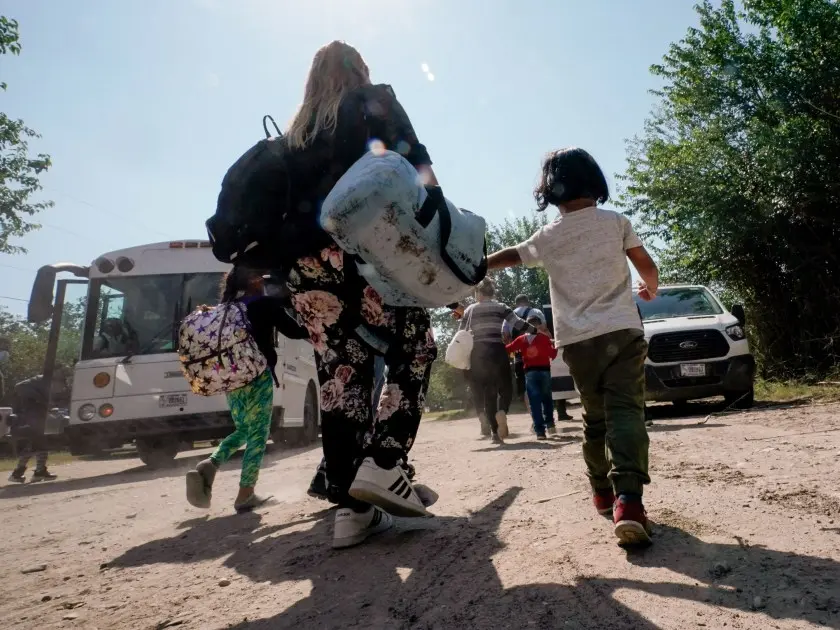
An investigation by MIT Technology Review has uncovered that despite the deployment of advanced surveillance towers along the US-Mexico border, migrants continue to die in areas monitored by these systems. The so-called virtual wallof AI-enabled towers, designed to detect and deter crossings, has failed to prevent fatalities in remote regions where individuals walk undetected before succumbing to environmental hazards. The findings highlight a troubling disconnect between technological investment and humanitarian outcomes along the southern border.
Latest news
 California Imposes Penalties for Robotaxis Obstructing Emergency Services
 Meta’s AI Agent Muse Builds Comprehensive Dossiers on Close Contacts
 The State of Cybersecurity in 2026: Key Segments, Insights, and Innovations
 Why the Rumored iPhone Duo Excites Android Foldable Fans
The virtual wall consists of hundreds of towers equipped with radar, cameras, and artificial intelligence meant to identify movement across vast stretches of desert and terrain. However, the investigation found multiple cases where individuals passed through monitored zones without triggering alerts, only to be found dead days or weeks later in nearby areas. These deaths often result from exposure, dehydration, or injury in harsh conditions that agents may not reach in time. Critics argue that the focus on detection over rescue undermines the system’s stated purpose of border security.
How Could the System Be Changed to Prevent Deaths?
The technology prioritizes identifying crossings but lacks integration with emergency response protocols. When a person is detected, Border Patrol may not dispatch aid immediately, especially if the individual is deemed low-risk or if resources are stretched thin. In some cases, the system logs movement but does not trigger a timely search-and-rescue operation. Experts say this gap turns surveillance into a passive monitoring tool rather than an active lifeline. One former agent noted that towers can see a person fall but cannot distinguish between resting and distress without human interpretation.
Redesigning the virtual wall to include automated alerts for stationary or slow-moving individuals in high-risk zones could improve outcomes. Integrating thermal sensors with AI capable of recognizing signs of distress—such as prolonged immobility or erratic movement—might prompt faster interventions. Additionally, sharing anonymized location data with humanitarian groups could allow NGOs to respond before official teams arrive. Some advocates suggest that turning surveillance data into a tool for aid, not just enforcement, could align technology with humanitarian goals without compromising security objectives.
What is the virtual wall along the US-Mexico border? The virtual wall refers to a network of surveillance towers equipped with radar, cameras, and AI technology deployed by the US government to monitor and detect illegal crossings across the border.
Frequently Asked Questions
Why do migrants still die in areas covered by surveillance towers? Despite detection capabilities, the system does not always trigger timely rescue responses, and individuals may move through blind spots or succumb to conditions before help arrives, especially in remote desert regions.
Could the technology be used to save lives instead of just detecting crossings? Yes, experts suggest modifying the AI to recognize signs of distress and integrating data sharing with humanitarian organizations could transform the system into a tool for both security and aid.
Comments
Leave a comment