Mechanical Boundaries and Design Constraints
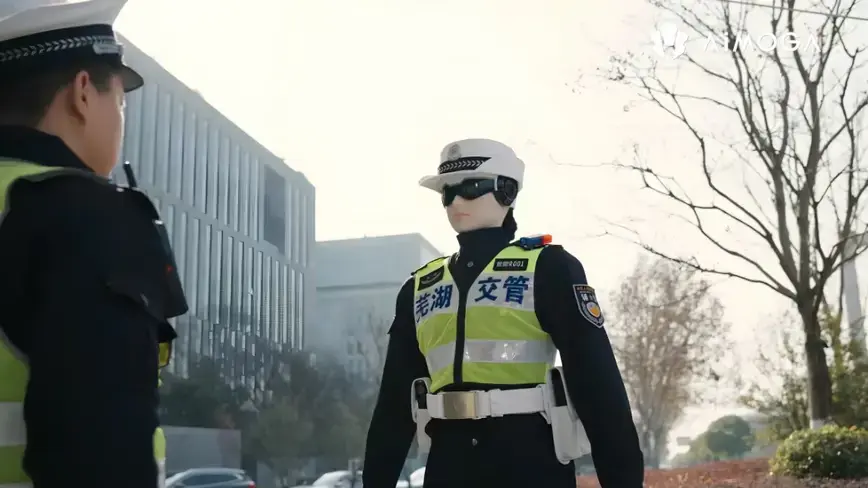
Hangzhou authorities have deployed a fleet of fifteen humanoid robots to assist with urban traffic management. These automated officers patrol busy intersections to guide vehicles, monitor pedestrian behavior, and provide directions to lost travelers. While they perform various public service duties, their physical capabilities remain strictly limited by their design.
Latest news
 Anker Unveils Playful 45W Charger With Animated Face Display
 Google Docs Web Version Still Missing Native Dark Mode
 Anthropic-Linked Vulnerability Exploited From China, Targets US and Japan
 Text‑Based AI Agents: Your New Digital Assistants
The robots function as high-tech assistants for human law enforcement officers. They are programmed to identify jaywalkers and issue verbal warnings to those violating traffic rules. Additionally, they serve as interactive kiosks for tourists, offering guidance to nearby subway stations or landmarks. Their presence aims to increase efficiency in managing dense city traffic.
Despite their advanced programming, these machines lack the authority and physical power to detain individuals. Engineers intentionally omitted the capacity to stop or apprehend citizens from the robots' core programming. This design choice ensures that the machines function solely as monitors and information hubs rather than enforcement agents.
Can Robots Effectively Replace Human Officers?
The robots operate under the constant supervision of the local police department. By handling routine tasks like directing traffic flow, they allow human officers to focus on more complex incidents. This division of labor maintains a clear separation between automated assistance and legal enforcement actions.
The current deployment serves as a pilot program to test the feasibility of robotic integration in public spaces. While these units excel at repetitive tasks, they cannot replicate the nuanced judgment required for critical law enforcement situations. Future updates may enhance their communication skills, but their role will likely remain supportive.
Frequently Asked Questions
The long-term impact involves a shift in how cities manage daily congestion and public safety. As technology evolves, authorities expect these machines to handle more complex interactions without requiring human intervention. However, the fundamental restriction against physical apprehension will remain a permanent feature of their operational framework.
Can these robots issue formal traffic tickets? No, the robots are not authorized to issue citations or perform legal enforcement. They are limited to verbal warnings and providing information to the public.
What happens if a pedestrian ignores the robot? The robot will continue to monitor the situation, but it cannot physically stop or detain the individual. Human officers remain responsible for handling non-compliant pedestrians.
Comments
Leave a comment