
The Human Factor in AI Oversight
Amazon's security leadership is challenging a widely accepted principle in AI governance. Eric Brandwine, VP and distinguished engineer at Amazon Security, says human-in-the-loop AI oversight fails because people lose focus. Other tech giants, including Google and Microsoft, share this concern.
Latest news
 Major AI firms recorded peak lobbying expenses last summer
 Apple Magic Keyboards for iPad Drop to Half Price at Woot
 Microsoft Provides Fix for Broken Exchange Online Apps
 Security Breach at AI Aggregator Exposes 18 Million Files and Private Chats
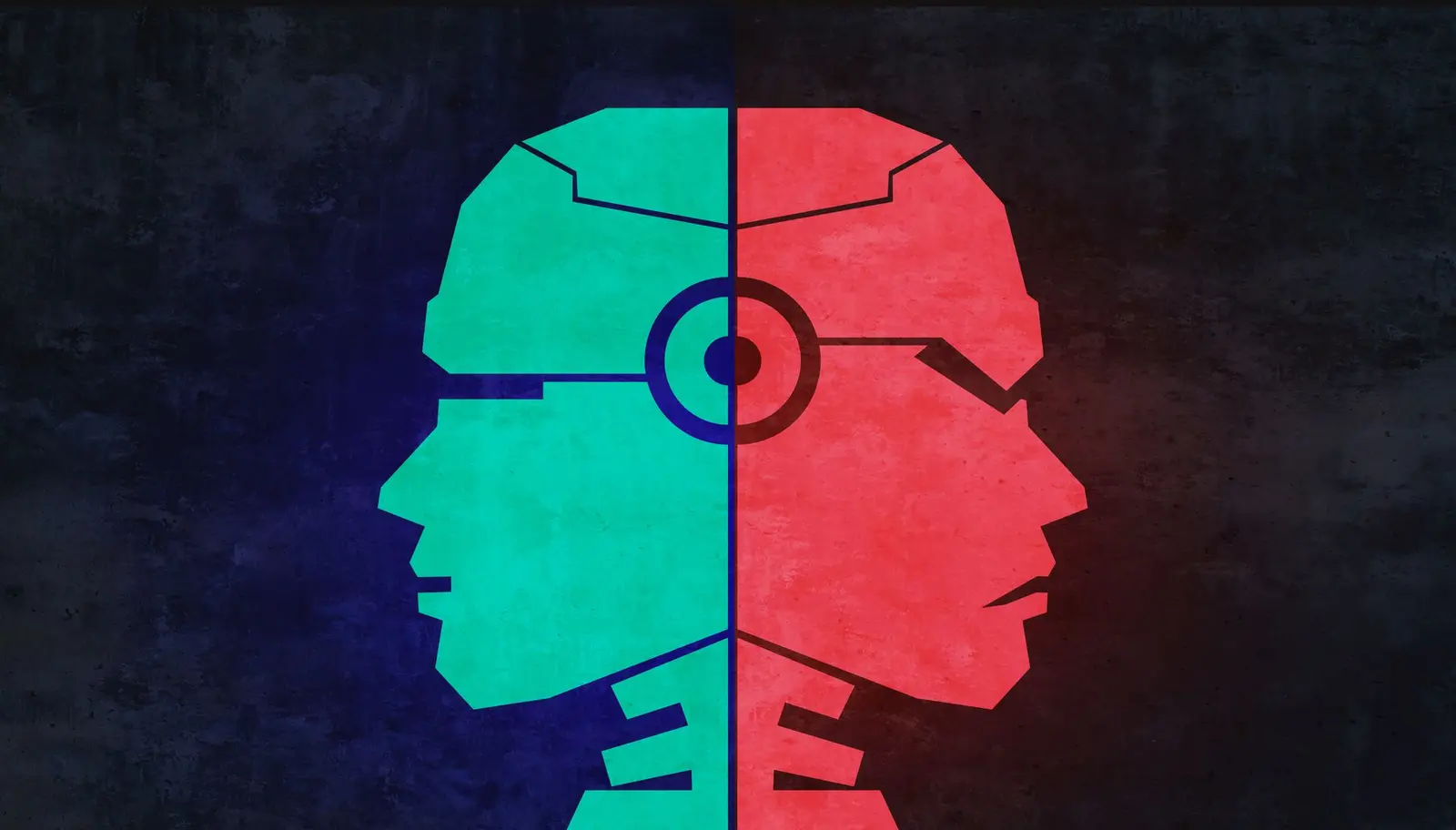
The concept of human-in-the-loop AI governance involves having humans review and correct AI decisions to prevent errors. However, Brandwine argues that this approach is flawed because humans tend to stop paying attention over time. As a result, AI systems can make mistakes without being caught.
Can AI Systems Be Trusted to Self-Regulate?
Brandwine's concerns are echoed by other major tech companies. Google, Microsoft, and IBM agree that human oversight of AI systems is not as effective as thought. When humans are tasked with reviewing AI decisions, they often become complacent and lose focus, leading to errors.
Studies have shown that humans are prone to making mistakes when reviewing repetitive tasks, such as monitoring AI decisions. As AI systems become more prevalent, the need for effective oversight is becoming increasingly important.
Brandwine's comments raise questions about the future of AI governance. If human oversight is not effective, can AI systems be trusted to self-regulate? The answer is unclear, but it is evident that new approaches to AI governance are needed.
Frequently Asked Questions
The consequences of failing to address these concerns could be severe. As AI becomes more pervasive, the risk of errors and mistakes grows. Companies must find new ways to ensure that AI systems are accurate and reliable.
What is human-in-the-loop AI governance? It's a system where humans review and correct AI decisions to prevent errors. Why is human oversight failing? Humans tend to stop paying attention when reviewing repetitive tasks, leading to mistakes. What are the consequences of failing to address these concerns? The risk of AI errors and mistakes grows, potentially leading to severe consequences.
Comments
Leave a comment