Sanctions Bypass and Financial Schemes
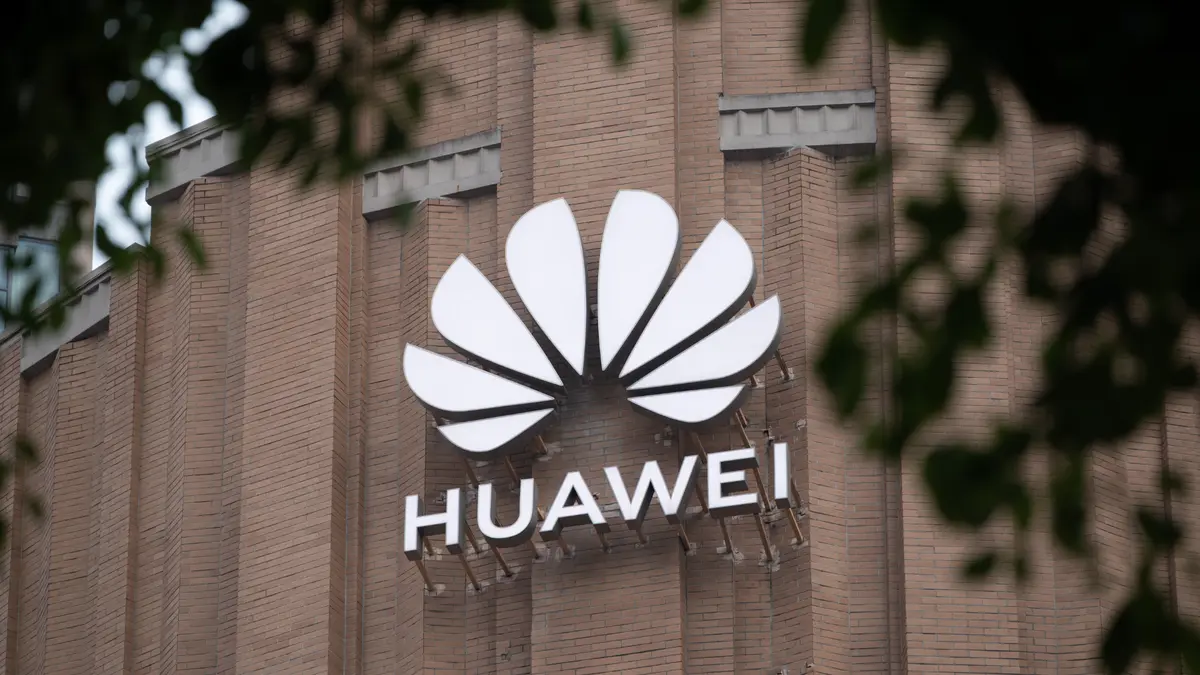
A U. S. jury has convicted Huawei Technologies on ten of twelve criminal counts. The verdict covers bank fraud, wire fraud, money laundering, and trade secret theft. The trial concluded after nearly three months of proceedings. This marks the first major criminal prosecution of a foreign technology giant by the U. S. Department of Justice.
Latest news
 X enables Android users to schedule posts 18 months in advance
 Nvidia May Slash Gaming GPU Supply by 20-30% Through January
 Cyber Threats: China and North Korea Adopt New AI Weapon
 RTX 5090 gaming laptop with 24-core CPU and 32GB RAM hits the market
The case centers on Huawei's alleged scheme to circumvent U. S. sanctions against Iran. Prosecutors argued the company used shell companies and third-party banks to move funds. The jury also examined how Huawei allegedly stole proprietary technology from competitors. The conviction carries significant financial penalties and potential executive liability.
What Does the Verdict Mean for Huawei?
The core of the prosecution focused on how Huawei allegedly structured transactions to hide Iranian business. The company used intermediaries to process payments through foreign banks. This allowed it to maintain operations in Iran despite U. S. restrictions. The jury found this pattern constituted money laundering and fraud.
The conviction brings immediate financial consequences. Huawei faces substantial fines and potential restitution orders. Executives involved in the scheme may face individual charges. The company must now navigate compliance reforms to avoid future violations.
How many counts did the jury convict Huawei on? The jury returned guilty verdicts on ten counts. Two counts, including racketeering and one fraud charge, resulted in acquittals.
Frequently Asked Questions
What sanctions did Huawei allegedly violate? The company was charged with violating U. S. sanctions against Iran. Prosecutors alleged it used shell entities to hide Iranian revenue streams.
Will Huawei appeal the verdict? Huawei has not yet announced its next steps. Legal experts expect an appeal given the high stakes. The company may challenge evidentiary rulings from the trial.
Comments
Leave a comment