
How a Single Wikipedia Edit Triggered a Global Rumor
On August 12, 2026, Google’s search results briefly listed Sam Altman, chief executive of OpenAI, as deceased. The error appeared worldwide, prompting immediate scrutiny. Within hours, the search engine removed the claim and issued a correction.
Latest news
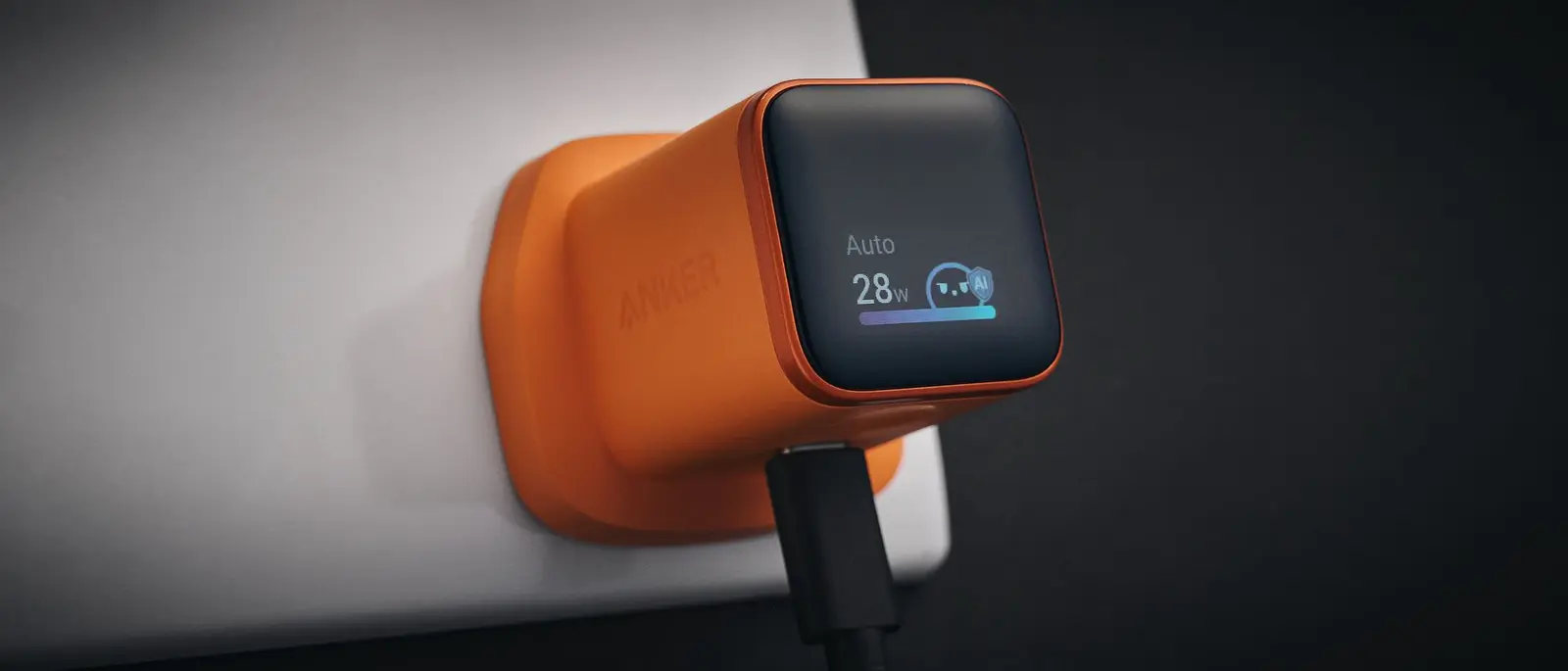 Anker Unveils Playful 45W Charger With Animated Face Display
 Google Docs Web Version Still Missing Native Dark Mode
 Anthropic-Linked Vulnerability Exploited From China, Targets US and Japan
 Text‑Based AI Agents: Your New Digital Assistants
The false report originated from a single, malicious edit to Altman’s Wikipedia page. That edit added a fabricated death notice, which Google’s algorithms automatically incorporated into its knowledge panels. Once the misinformation spread, users saw the erroneous status across multiple devices. Google engineers identified the rogue edit, flagged it as vandalism, and restored the correct biography. The incident highlighted the fragility of automated data pipelines that rely heavily on open‑source platforms.
Wikipedia serves as a primary source for many AI‑driven services. When the bogus entry appeared, Google’s crawlers indexed the new text without manual review. The platform’s knowledge graph then displayed „Sam Altman – Deceased” in its summary box. Users searching for the OpenAI leader received the inaccurate information instantly.
Did the Mistake Undermine Confidence in Search Results?
A Google spokesperson explained that the company employs real‑time monitoring tools to detect sudden changes in high‑profile pages. „Our systems flagged the edit, but the rapid propagation required a manual override,” the spokesperson said. After the correction, Google updated its policies to add an extra verification step for death‑related claims on prominent figures. The episode underscores the need for human oversight even in highly automated environments.
The brief misinformation raised concerns about the reliability of algorithmic content curation. Critics argued that reliance on unverified edits could erode public trust. However, the swift correction demonstrated the platform’s capacity to respond to errors. Industry observers note that such incidents are rare and often serve as catalysts for stronger safeguards.
Looking ahead, Google plans to enhance cross‑checking mechanisms with multiple reputable sources before publishing sensitive data. The company also intends to collaborate more closely with Wikipedia’s moderation teams to prevent similar vandalism. As AI continues to shape information delivery, balancing speed with accuracy remains a central challenge.
Frequently Asked Questions
Why did Google initially accept the false Wikipedia edit? Google’s algorithms treat Wikipedia as a trusted source and automatically ingest updates. The edit slipped through before the vandalism detection system could intervene.
What steps will Google take to avoid future death‑related errors? Google will add an extra verification layer that requires corroboration from at least two independent, reputable outlets before displaying death notices for high‑profile individuals.
Did the incident affect Sam Altman's public image? The brief false report caused a momentary surge in speculation, but the rapid correction limited lasting impact on Altman's reputation or OpenAI’s operations.
Comments
Leave a comment