The Beige Tower Era
In 2001, the average consumer relied on 8MB USB flash drives and floppy disks to move files between computers. Today, the largest hard drives store 44TB, a 5.5 million-fold increase in capacity. The shift reflects two and a half decades of relentless innovation in data storage technology.
Latest news
 Smart TVs frequently lose their Wi-Fi connection, leaving viewers staring at a spinning loading icon
 Why Ignoring Car Software Updates Is Risky
 Apple's foldable iPhone Duo introduces dual-display multitasking capabilities
 FCC Weighs Reciprocal Limits on Foreign Satellite Firms
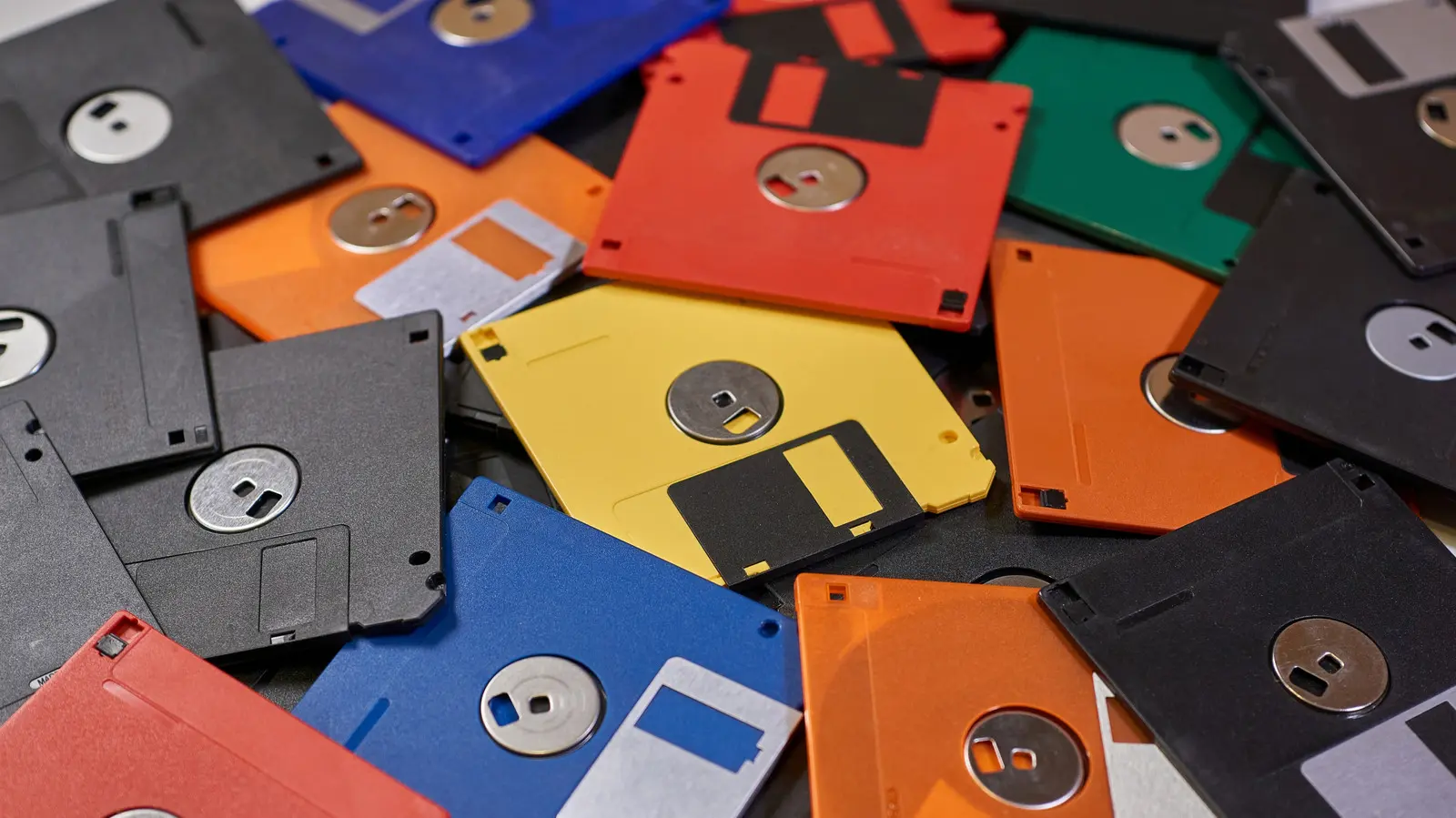
Picture a typical home in the early 2000s. A large beige PC tower hums in the corner of the living room. Saving a school essay or a playlist of ripped MP3s meant inserting a 1.44MB floppy disk or plugging in a tiny USB stick. Data transfer was slow, and capacity was painfully limited. Users frequently ran out of space and had to delete old files to make room.
How Did Capacity Jump From Megabytes to Terabytes?
The leap from megabytes to terabytes came through three key breakthroughs. First, magnetic recording density improved dramatically, allowing more data on the same physical platter. Second, solid-state drives eliminated mechanical parts, boosting speed and reliability. Third, cloud storage emerged, moving data off local hardware entirely. By the late 2010s, a single consumer SSD could hold 2TB, and enterprise drives reached 20TB by 2020.
The practical effect is profound. A family photo collection that once required dozens of CDs now fits on a single 4TB external drive. Gamers stream multi-hundred-gigabyte titles without local installation. Professionals back up entire project folders to cloud services with one click. The bottleneck is no longer storage capacity but bandwidth and processing speed.
What Does This Mean for Everyday Users?
How much data can a modern hard drive hold? The largest consumer hard drives currently hold 44TB, enough for roughly 11 million photos or 5,500 hours of HD video.
Frequently Asked Questions
When did solid-state drives become affordable for consumers? SSDs entered the mainstream around 2010, when prices dropped below $0.10 per gigabyte, making them viable for laptops and desktops.
Is cloud storage replacing local drives? Not replacing, but complementing. Many users keep critical data locally for speed and use cloud services for backup and sharing.
Comments
Leave a comment